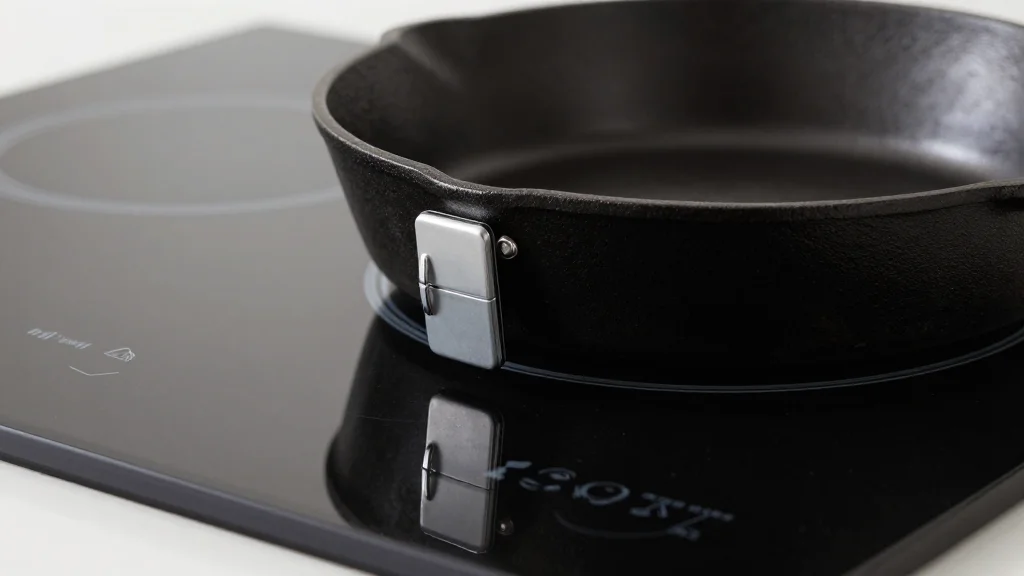
Households with Induction Hobs Urged to Do 50p Test that Exposes Pans Secretly Pushing up Energy Bills
Companies Mentioned
Why It Matters
Using non‑compatible cookware forces induction hobs to run longer, inflating household energy costs and accelerating wear on the appliances. A quick, low‑cost test empowers consumers to optimise their kitchen setup and achieve measurable savings.
Key Takeaways
- •Magnet test costs ~£0.50 (~$0.60) per household.
- •Incompatible pans waste energy on induction hobs.
- •Cast iron, steel, magnetic stainless work; aluminium, glass don’t.
- •Small or warped pans reduce hob efficiency.
- •Replacing unsuitable cookware cuts long‑term energy bills.
Pulse Analysis
Induction technology has reshaped British kitchens by promising faster heating and lower overall power draw compared with traditional electric coils. Yet the promised efficiency hinges on a magnetic link between the hob’s coil and the cookware’s base. When that link is weak, the hob must stay active longer to reach target temperatures, subtly inflating electricity use. This hidden inefficiency often goes unnoticed because meals still finish, just with longer cooking times and uneven heat distribution.
The fridge‑magnet test offers a pragmatic solution that costs less than a coffee. By placing a standard refrigerator magnet on the bottom of a pan, consumers can instantly gauge magnetic strength: a firm hold signals a compatible base—usually cast iron, carbon steel, or magnetic‑grade stainless steel—while a slip indicates materials like aluminium, glass or non‑magnetic stainless that will under‑perform. The test also highlights size mismatches; pans smaller than the induction zone may not be detected, causing the hob to waste energy. Homeowners can quickly sort their existing stock, keep efficient pieces, and earmark the rest for alternative burners or replacement.
From a business perspective, the test underscores a growing market for induction‑ready cookware and the potential cost savings for energy‑conscious households. Retailers that stock magnetic‑compatible lines stand to benefit as consumers replace ineffective pans, while manufacturers can market the long‑term savings of durable, induction‑optimized designs. For utilities and policymakers, encouraging such low‑cost diagnostics aligns with broader energy‑efficiency targets, reducing residential demand without costly infrastructure upgrades. Ultimately, a simple 50‑pence check translates into tangible reductions in household bills and a greener, more efficient cooking ecosystem.
Households with induction hobs urged to do 50p test that exposes pans secretly pushing up energy bills
Comments
Want to join the conversation?
Loading comments...