Tipping in Tough Times: How to Tip without Overspending
Companies Mentioned
Why It Matters
Rising tip expectations strain consumer finances and could reshape service‑industry revenue models, prompting both shoppers and businesses to rethink gratuity practices.
Key Takeaways
- •93% of Canadians annoyed by tip prompts on card terminals.
- •Restaurant tip norms rose from 15% pre‑pandemic to about 20%.
- •Experts advise budgeting for tips and opting for lower suggested percentages.
- •Choosing cash‑back cards can offset tip costs with everyday rewards.
Pulse Analysis
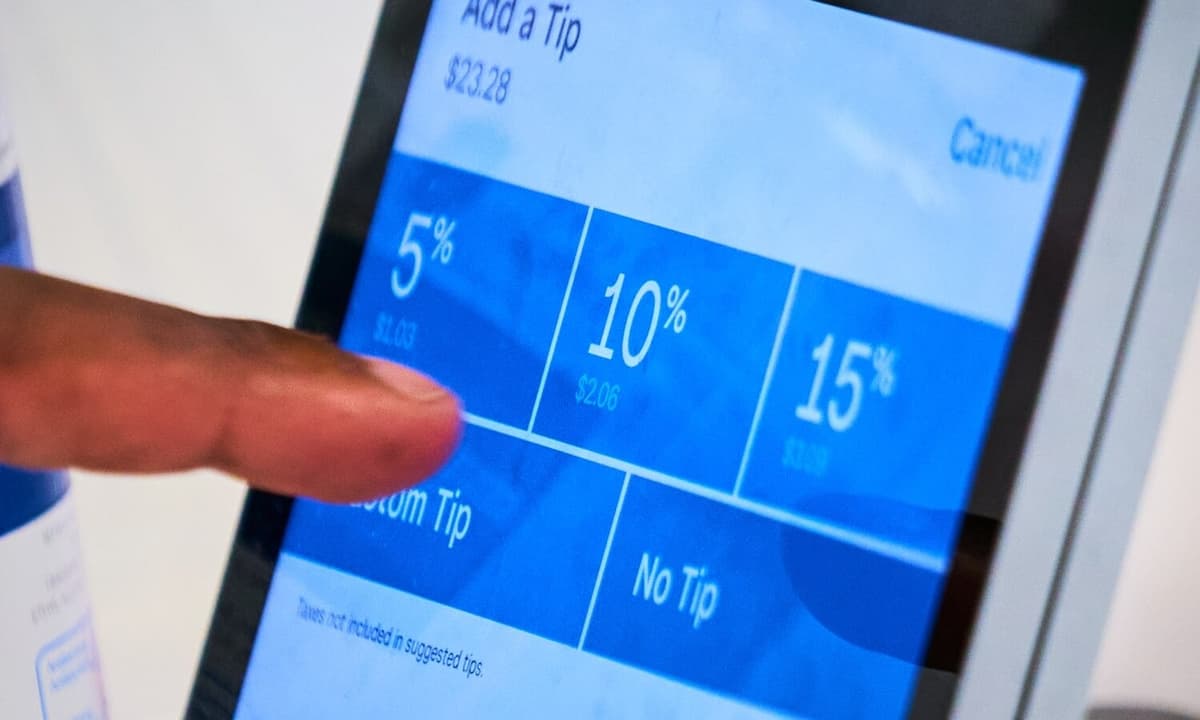
The proliferation of digital point‑of‑sale systems has turned tipping into a default step in the checkout flow, prompting a backlash among Canadian diners. A recent H&R Block survey of 1,545 respondents found that 93% feel irritated when terminals suggest gratuities for purchases that traditionally required none, such as counter service or retail. This friction is amplified by inflation‑driven price hikes, which have nudged average restaurant tip rates from the pre‑COVID 15% benchmark to roughly 20% today. For consumers juggling tighter budgets, the added expense feels less like a reward and more like an obligatory surcharge.
Financial advisers recommend treating tips as a line item in personal budgets, especially for high‑ticket events like family dinners or holiday gatherings. By allocating a modest percentage of discretionary spending to gratuities, shoppers can avoid surprise shortfalls. Moreover, leveraging cash‑back credit cards—such as the American Express SimplyCash (0% annual fee, 1.5% cash back) or the CIBC Dividend Visa Infinite (≈$89 USD annual fee, 4% cash back on gas and groceries)—can partially reimburse tip outlays. These cards turn everyday purchases into a modest rebate, softening the impact of higher suggested tips without increasing debt.
The tipping shift also carries broader implications for the hospitality sector. As consumers become more selective, businesses may experiment with lower default tip suggestions or transparent service fees to retain patronage. Meanwhile, the widening wealth gap could deepen the divide between those who can afford generous gratuities and those who opt for self‑service or delivery alternatives. Understanding these dynamics is crucial for operators aiming to balance fair worker compensation with evolving customer expectations in a post‑pandemic economy.
Tipping in tough times: How to tip without overspending
Comments
Want to join the conversation?
Loading comments...