Trump Administration CFPB Pullback Cost Americans $19 Billion, Report Says
•February 16, 2026
0
Why It Matters
The $19 billion gap underscores how regulatory retrenchment can directly erode consumer protections and financial restitution, reshaping the competitive landscape for banks and fintech firms.
Key Takeaways
- •CFPB pullback cost $19 billion in consumer relief.
- •Overdraft fee cap rollback eliminated $5 billion annual savings.
- •Credit‑card late‑fee rule block removed $10 billion benefit.
- •Complaint resolution rate fell from 50% to under 5%.
- •Staffing cut proposal from 1,689 to 207 employees.
Pulse Analysis
The Consumer Financial Protection Bureau, created after the 2008 crisis, has become a political flashpoint. When the Trump administration assumed control in early 2025, it swiftly moved to curtail the bureau’s size and scope, citing regulatory overreach. Acting director Russell Vought oversaw a dramatic reduction in new investigations and a pause on many pending enforcement actions. This strategic retreat coincided with a congressional budget cut that slashed the agency’s funding by roughly 50%, raising concerns about its long‑term operational viability.
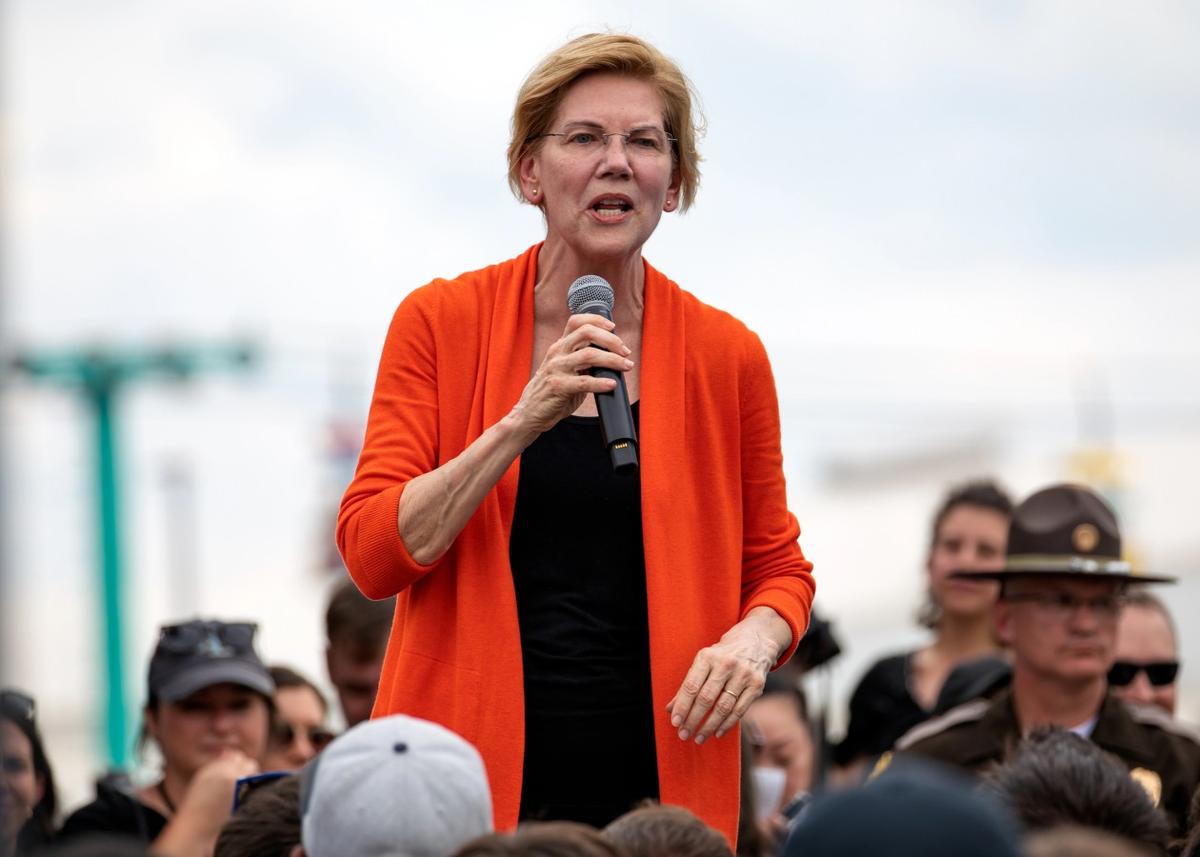
According to the report prepared by Senator Elizabeth Warren’s office, the regulatory pullback translated into a $19 billion loss for consumers. Key policy reversals—most notably the repeal of an overdraft‑fee cap projected to save $5 billion annually and the court‑blocked rule limiting credit‑card late fees that would have delivered $10 billion—account for the majority of the shortfall. Additionally, the abandonment of high‑profile lawsuits, such as the $870 million case against Early Warning Services, eliminated roughly $4 billion in potential restitution. The bureau’s consumer‑complaint system also saw its effectiveness plunge, with relief rates dropping from about half of filings to less than five percent.
The implications extend beyond immediate financial loss. A weakened CFPB reduces the deterrent effect on predatory lending and fee practices, potentially encouraging banks and fintech firms to adopt more aggressive pricing strategies. Lawmakers and consumer advocates warn that without robust enforcement, systemic risks may rise, prompting calls for legislative restoration of the agency’s authority. As legal battles over staffing and budget continue, the CFPB’s future role will be a barometer for the broader debate on the balance between regulation and market freedom in the U.S. financial sector.
Trump administration CFPB pullback cost Americans $19 billion, report says
0
Comments
Want to join the conversation?
Loading comments...