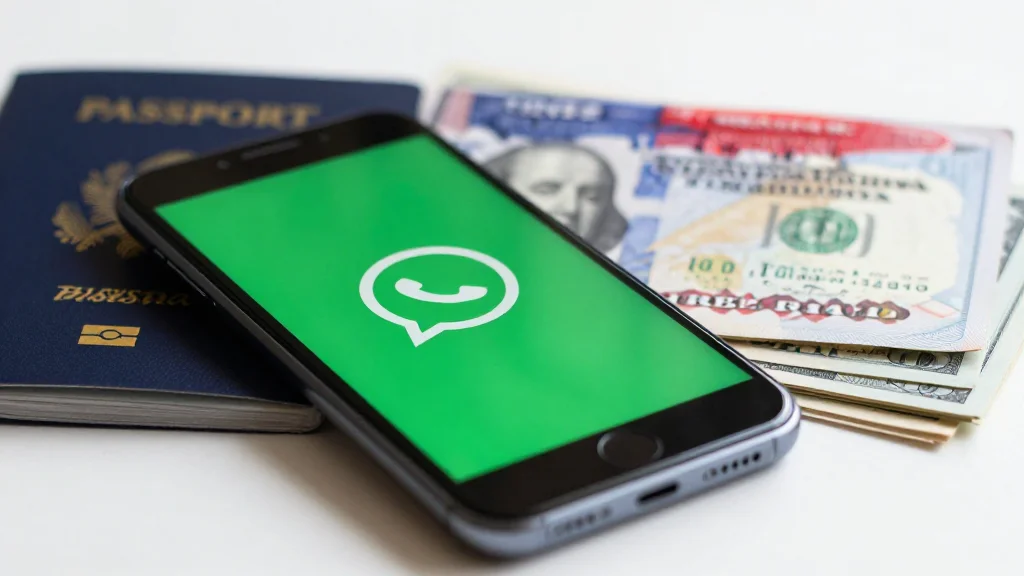
WhatsApp Scams Pretending to Be ICE Agents Drain $10,000 From Immigrant Savers, ProPublica Finds

Why It Matters
The fraud not only robs individuals of hard‑earned savings but also erodes trust in legitimate aid organizations, potentially deterring vulnerable immigrants from seeking lawful assistance. When victims lose funds earmarked for housing, education, or medical care, the ripple effects extend to broader community stability and economic participation. Moreover, the use of mainstream messaging apps like WhatsApp for sophisticated financial scams highlights a regulatory blind spot. Without coordinated oversight, scammers can operate across borders, exploiting language barriers and fear of immigration enforcement. Addressing this gap is essential to protect personal finances and uphold the integrity of immigration support services.
Key Takeaways
- •Immigrant victims lost nearly $10,000 through a WhatsApp scam impersonating ICE agents.
- •Scammer used a fake attorney persona, "Susan Millan," to sell bogus virtual hearings.
- •Victim paid via Zelle, diverting money intended for a first home purchase.
- •Catholic Charities confirmed the fraud as part of a larger wave of "notario fraud".
- •Experts warn that the encrypted nature of WhatsApp makes detection and reporting difficult.
Pulse Analysis
The emergence of WhatsApp‑based immigration scams signals a shift in fraudsters’ tactics from traditional phishing emails to real‑time, culturally resonant messaging. By adopting the veneer of official government or legal authority, these actors exploit the trust placed in institutions that already serve marginalized communities. This tactic is especially potent because it bypasses the usual red flags associated with unfamiliar email domains or suspicious links; a familiar app and a seemingly authentic photo lower the victim’s guard.
Historically, consumer‑financial fraud targeting immigrants has centered on fake tax‑return services or counterfeit green‑card applications. The current wave adds a new layer: direct impersonation of ICE agents, which leverages the heightened fear of raids and deportations. This psychological lever amplifies the urgency victims feel, prompting rapid payment without due diligence. The $9,800 loss reported by ProPublica may represent only a fraction of the total damage, as many victims likely forgo reporting due to language barriers or distrust of law‑enforcement.
Policy responses must evolve in tandem. Regulators should consider mandating that messaging platforms implement verification badges for official government accounts and provide easy reporting tools for suspected scams. Simultaneously, community organizations need to amplify financial‑literacy outreach, emphasizing that legitimate immigration assistance never requires upfront payment for a guaranteed outcome. By coupling technology safeguards with grassroots education, the risk of personal‑finance erosion among vulnerable populations can be mitigated.
WhatsApp Scams Pretending to Be ICE Agents Drain $10,000 from Immigrant Savers, ProPublica Finds
Comments
Want to join the conversation?
Loading comments...