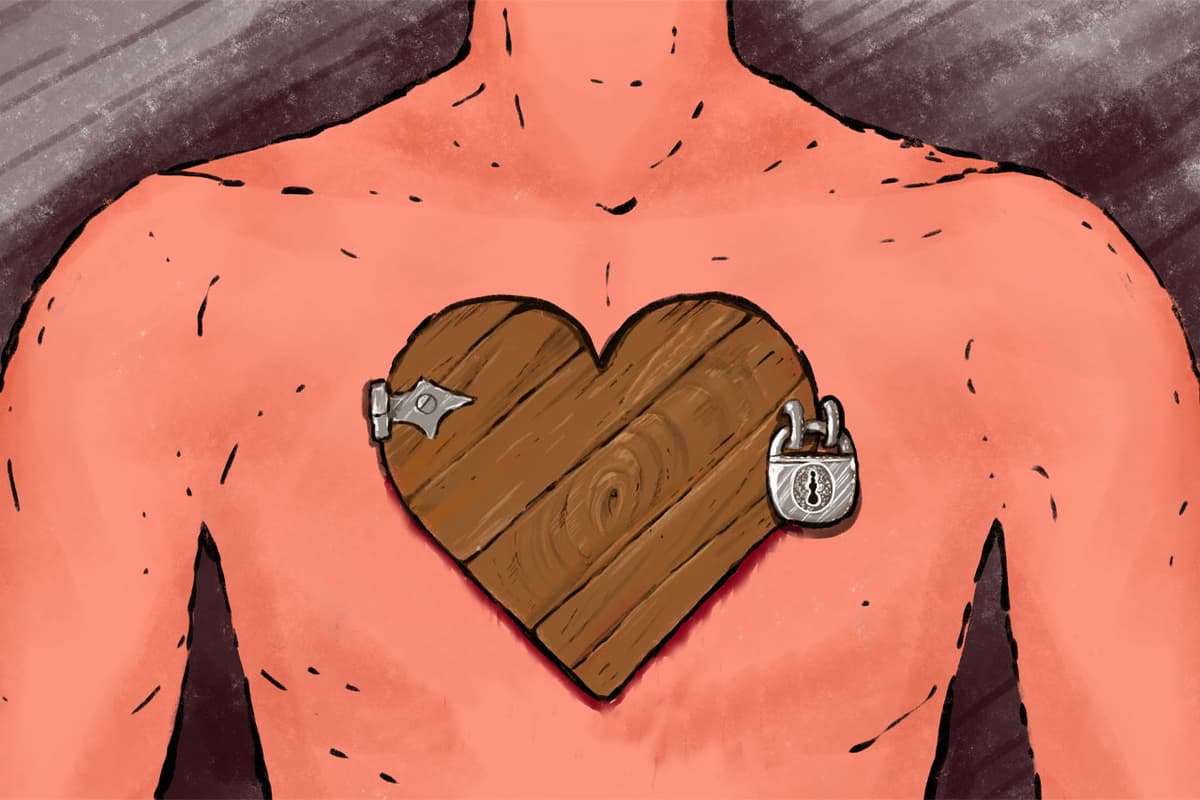
How to Overcome Ultra-Independence and Receive Love and Support
Key Takeaways
- •Ultra‑independence often stems from trauma and fear of vulnerability.
- •Healthy boundaries let you stay safe while accepting support.
- •Ask for help with clear, non‑demanding requests.
- •Self‑compassion transforms the inner critic into a trusted ally.
- •Supportive relationships accelerate healing beyond solo self‑work.
Pulse Analysis
In recent years, the mental‑health field has shifted toward trauma‑informed approaches that recognize how early relational wounds shape adult behavior. Ultra‑independence, a term popularized in self‑help circles, describes the compulsive need to manage every aspect of life alone—a strategy that once protected vulnerable individuals but now hinders connection and growth. By framing this pattern as a survival response rather than a character flaw, professionals can better address the underlying fear of abandonment that fuels chronic anxiety and depressive symptoms.
Balancing autonomy with interdependence requires intentional boundary work and compassionate self‑talk. Practitioners advise clients to identify the inner voice that resists help, then engage it with curiosity and gratitude. Simple techniques—such as naming the fear, validating its protective intent, and offering reassurance—re‑wire neural pathways that associate vulnerability with safety. This internal negotiation paves the way for external requests that are specific, non‑demanding, and respectful of both parties' limits, fostering trust without triggering codependent dynamics.
The broader implication for workplaces and organizations is clear: employees who cling to ultra‑independent habits may appear high‑performing yet suffer hidden burnout. Leaders who cultivate cultures of psychological safety, encourage transparent communication, and model balanced help‑seeking can unlock untapped potential and reduce turnover. By normalizing the practice of asking for support and providing structured avenues—like mentorship programs or peer‑coaching—companies not only enhance individual well‑being but also drive collective resilience and innovation.
How to Overcome Ultra-Independence and Receive Love and Support
Comments
Want to join the conversation?