
Gen-Z Won’t Skip This 60-Minute Habit—It’s Making Them Better at Their Jobs
Gen‑Z workers are reclaiming full, off‑desk lunch breaks, with 56% taking a dedicated hour each day and 66% doing so alongside coworkers. The habit is spilling over to older employees, as 58% of all age groups say they prefer socializing over lunch rather than after‑hours drinks. Employers are responding by subsidizing meals to support return‑to‑office (RTO) goals and boost morale. Recent polls show a decline in lunch‑skipping, suggesting the break is being recognized as a productivity lever.

We Tend to View Happiness as a Reward for Hard Work and Success, but a Review of the Evidence Suggested...
A 2005 meta‑analysis of 225 studies involving over 275,000 participants found that frequent positive affect often precedes key life outcomes rather than merely following them. The authors concluded that happiness can boost confidence, optimism, and sociability, which in turn improve...

Founders Are Prone to Experiencing Burnout. Here’s How They Can Get Away From that Trap
Founders face a heightened risk of burnout because their roles combine relentless demand with scarce personal resources. The job‑demands‑resources (JD‑R) model explains how constant pressure fuels exhaustion while a lack of recovery fuels cynicism. Burnout not only harms the founder’s...

Mind-Body and Business Mentor Supports Leaders to Banish Burnout
Award‑winning entrepreneur Megan Stachini, who rebuilt a multi‑six‑figure business after a burnout collapse, is now championing early‑warning detection for leaders. She runs three companies with combined revenue of over $1.25 million and 30 staff, and has launched The Burnout Antidote™, a...

Tackling Big Challenges? Get Out of the Office
Executive teams struggle to tackle complex, multi‑year challenges amid daily interruptions and constant inbox pressure. Research shows that workplace stress and "attention residue" impair the prefrontal cortex, the brain region responsible for strategic thinking. Removing the team from the office—ideally...

Thoughts Are Not Facts
The article explains that thoughts are mental events, not objective facts, and that their emotional charge makes some stickier than others. It highlights mindfulness as a tool to notice thinking, create space, and return to the present moment through simple...

27 Things to Learn in Your 20s that Pay Off for Decades
The article lists 27 practical skills and habits that 20‑year‑olds should adopt to reap long‑term benefits. It emphasizes how early mastery of money management, cooking, contract literacy, difficult conversations, negotiation, and investing compounds over decades. The author explains that neuro‑plasticity...
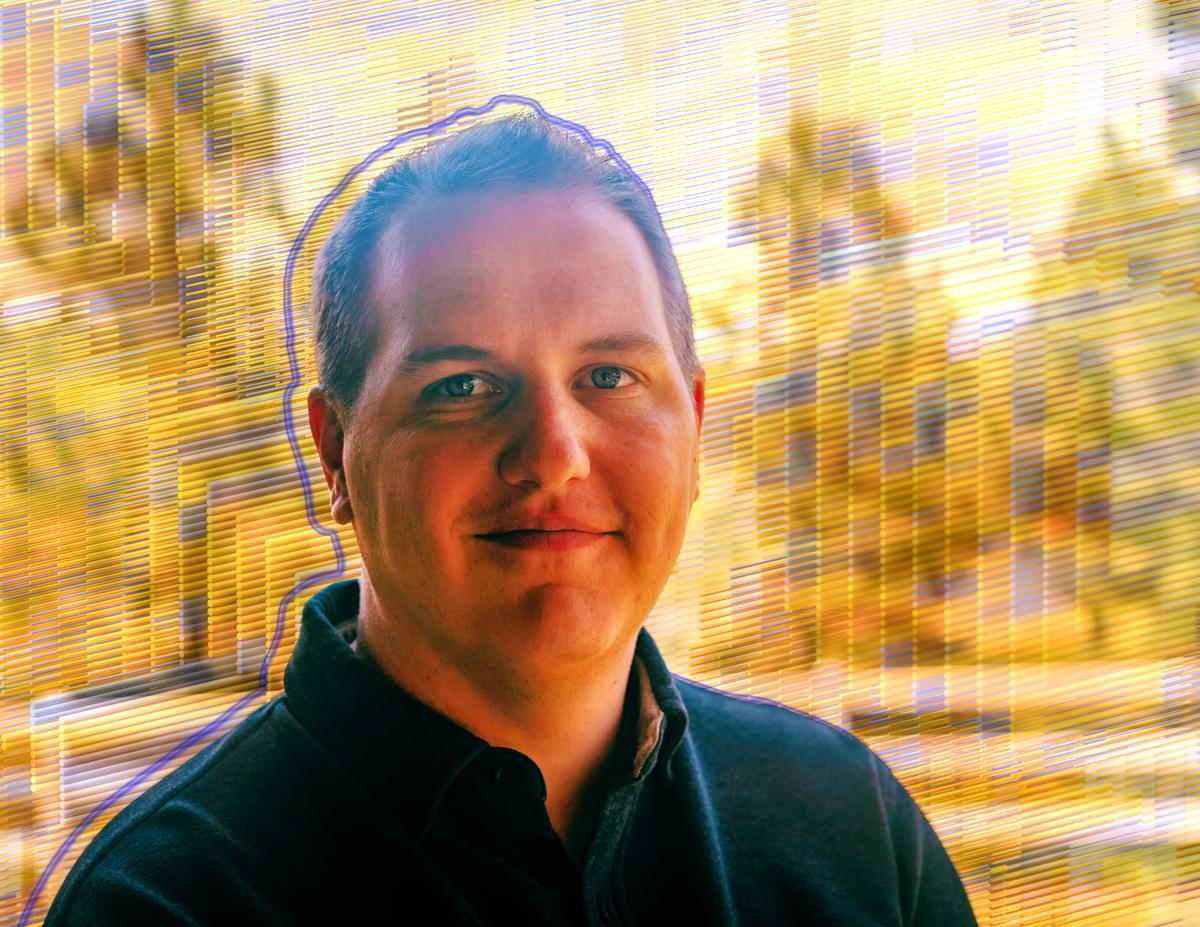
Stop Glorifying ‘Move Fast and Break Things’ — Smart Founders Know to Do This Instead
The article argues that founders should abandon the blanket "move fast and break things" mantra and instead calibrate execution speed to the potential impact of each decision. Drawing on the author’s experience as a paramedic, it proposes a triage approach...

Why Everything Takes Longer Than You Think (The 50x Prep Ratio)
Speaker recounts a botched 30‑minute presentation caused by missing backstage preparation. He introduces the 50× prep ratio, noting that a short front‑stage deliverable typically requires twenty‑to‑thirty hours of invisible work. The article explains why people underestimate this gap and proposes...

How to Actually Finish What You Need to Get Done
Harvard Business Review’s IdeaCast featured Marc Zao‑Sanders, CEO of Filtered.com, discussing timeboxing—a productivity method that schedules each task as a calendar appointment. Zao‑Sanders explains how allocating 15‑, 30‑ and 60‑minute blocks for work, exercise and personal activities helped him shift...

Neurobiologists Say This One Simple Lesson Can Help You Lead More Effectively
Neurobiologists highlight two brain systems that shape leadership performance: the analytic network for complex thinking and the limbic system that triggers threat responses. When the limbic system dominates, it creates a "threat state" that suppresses the prefrontal cortex, impairing strategic...

Starting Over at 50: You're Not Starting From Zero
The article reframes "starting over at 50" as a rebuild rather than a fresh start, emphasizing that adults carry decades of skills, relationships, and judgment that can be leveraged. It argues that tackling one life system—typically energy (sleep, movement, nutrition)—at...

Wellness Tips for Cyber Leaders at Home
Avni Desai, director at CGI, outlines wellness strategies for cyber leaders working from home, highlighting the need to separate professional duties from family life. She shares personal tactics for managing “mom guilt” and maintaining emotional balance while leading high‑stress security...
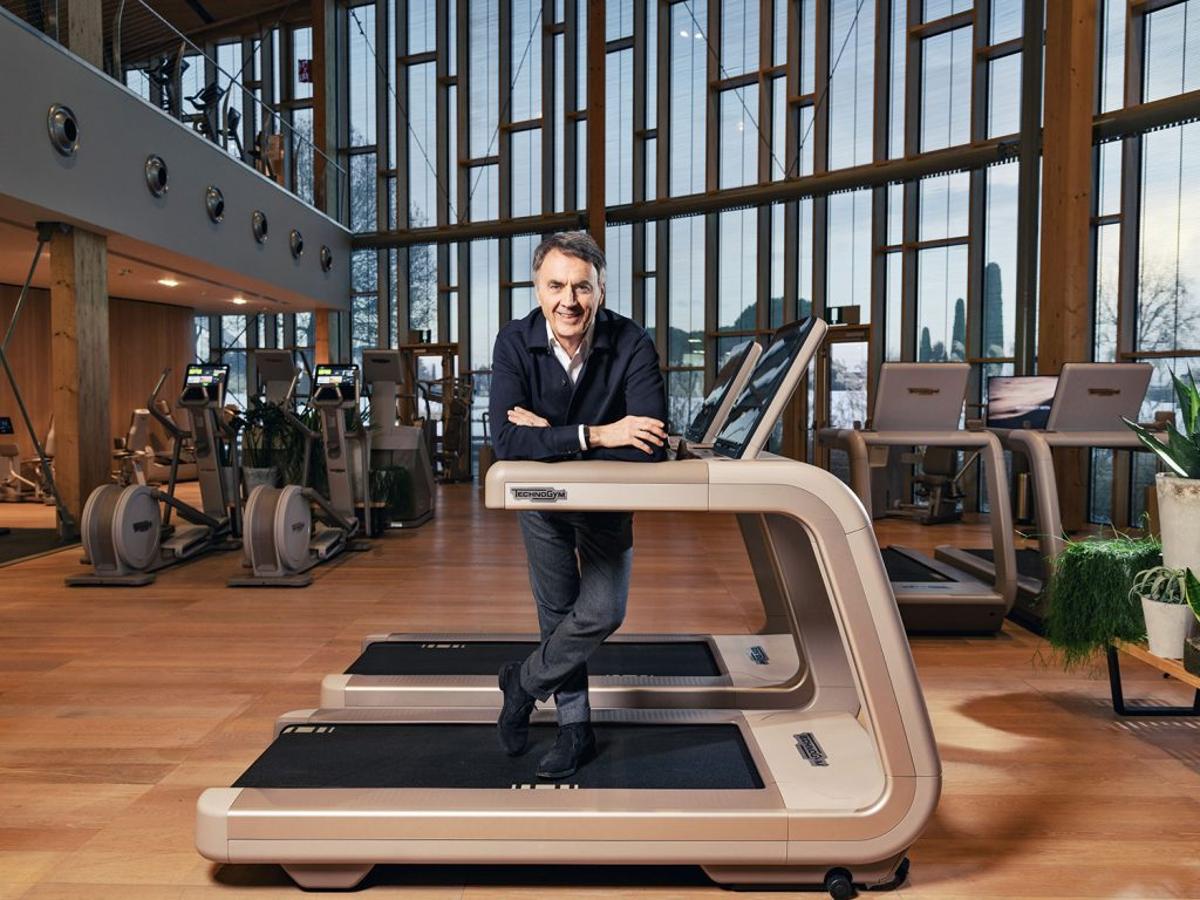
Op-Ed: Personalised Wellness Is the New Currency of Leadership
The op‑ed argues that personalized wellness has become the most valuable asset for modern leaders, eclipsing traditional metrics like revenue growth. It highlights how data‑driven health programs, mental‑health support, and flexible work designs empower employees and boost engagement. The author...

"Rest Deficit" Is Compromising Energy, Productivity and Wellbeing
Penelope Barr, a veteran transformation leader, argues that sleep is a high‑impact productivity tool. After years of embracing a "hero" mindset of sleepless hustle, she adopted intentional rest and authored *Win the Night to Win the Day*. The book details...