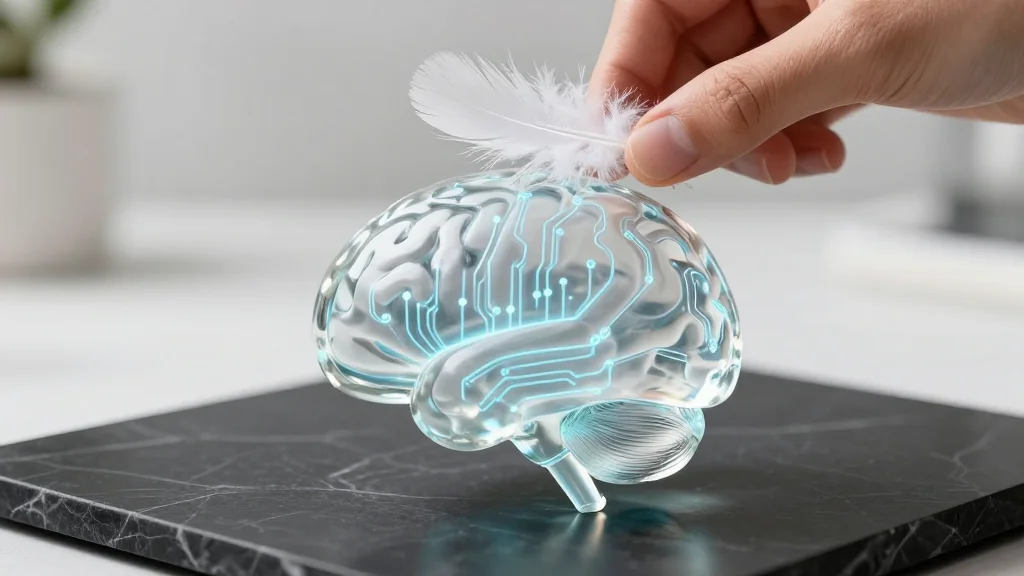
High Trust in AI Leaves Individuals Vulnerable to “Cognitive Surrender,” Study Finds
A Wharton School study introduces "cognitive surrender," where users hand over reasoning to AI, adopting its answers without scrutiny. Experiments with over 1,300 participants showed that when a chatbot gave correct answers, accuracy rose to 71%, but fell to 31% when the AI deliberately erred. Trust in technology amplified surrender, while higher need for cognition and fluid intelligence reduced it. The researchers propose a Tri‑System Theory, adding artificial cognition as System 3 alongside intuitive (System 1) and deliberative (System 2) processes.

The All Blacks, The Haka And Why Rituals Matter More Than Leaders Think
The All Blacks use the Haka and other rituals to cement identity, regulate emotion, and sharpen focus, showing that performance stems from cultural habits rather than spectacle. Former captain Kieran Read explains that preparation, control, humility and confidence are embedded...

Psychology Says the Reason Most People Never Change Their Lives Isn’t Laziness, Lack of Discipline, or Fear of Failure, It’s...
The article argues that most people stay in unsatisfying situations not because of laziness or fear, but because familiarity feels safe to the brain. It cites Daniel Kahneman’s prospect theory, showing loss aversion makes the status‑quo psychologically rewarding. Cognitive dissonance...

I Just Realized the People Who’ll Do Fine in an AI World Aren’t the Fastest Adopters, They’re the Ones Who...
The article warns that the biggest advantage in an AI‑driven workplace will belong to professionals who preserve the mental pause before answering, rather than those who rush to adopt tools. It notes that AI compresses the reflective gap, delivering plausible...

Empathetic Leadership Can Make or Break AI Adoption
Empathetic leadership is emerging as a decisive factor in AI adoption, with research linking employee well‑being to higher productivity and innovation. While 59% of CEOs deem empathy non‑essential, surveys reveal a stark gap between executive confidence in AI benefits and...

Over Half of Brits Struggle with Workplace Motivation During Summer
A Jukebox Marketing survey finds that 51 % of British employees feel less motivated and less able to concentrate when temperatures rise, with the effect strongest among 18‑34‑year‑olds (57 %). Regional data shows Norwich and Plymouth at the top of the list,...
Happiness Break: A Meditation to Inspire a Sense of Purpose
Greater Good Science Center introduced a new “Happiness Break” meditation led by psychologist Dacher Keltner, encouraging listeners to reflect on a role model’s moral beauty to uncover personal purpose. The guided practice walks participants through breathing, vivid recollection, bodily awareness,...

The 6 A.m. CFO: How Trintech’s Omar Choucair Starts His Day
Trintech CFO Omar Choucair reveals how he structures his 6 a.m. start, from early email triage to music‑driven focus. He relies on a pen‑and‑paper to‑do list inherited from his KPMG audit days and makes a point to walk the office floor...

When Winning Isn’t Enough: A New Model for Founder Clarity and Performance
Founders are overwhelmed by nonstop decisions, context‑switching and external pressure, eroding strategic clarity. Research from Harvard Business Review shows that lack of reflective time degrades decision quality over time. Neo Ross’s "Journey of a Lifetime: Mexico" offers an immersive, peer‑rich...

One Thing at a Time
In his April 30, 2026 post, Seth Godin argues that multitasking is largely an illusion, describing it as a constant slicing of focus that forces us to jump between tasks. This fragmented attention, he explains, diminishes productivity and erodes mental...

How To Create Resilient Health Organizations Through Skilled Management
Resilient health organizations rely on skilled management that blends foresight with adaptability. Formal education, such as a bachelor’s in healthcare leadership, equips leaders with operational, ethical, and decision‑making tools before crises hit. Daily practices—structured communication, performance monitoring, and contingency planning—embed...

The Analog Edge: 8 Old-Fashioned Habits to Stay Sharp and Fit at Work
Amid unprecedented digital saturation, a growing counter‑movement argues that less technology boosts cognition. Recent policy shifts in Australia and Sweden illustrate schools limiting screen time, while workplaces continue to add AI tools without considering skill erosion. The article highlights eight...

Audi Launches Vorsprung Leadership Programme for Dealers
Audi UK has introduced the Vorsprung Leadership Programme, a bespoke development track for heads of business and emerging leaders across its dealer network. Developed with Hult Ashridge Executive Education, the initiative combines virtual coursework with immersive residential modules at Ashridge...

This Is the Missing Third Pillar of Leadership Excellence
Most leadership models focus on mental toughness and physical stamina, but a growing body of research highlights emotional recovery as a critical third pillar. Breakthru, a micro‑break platform integrated with Microsoft Teams and Slack, embeds brief movement‑based exercises to replenish...

Psychology Says the People Who Forget Names Almost Immediately After Meeting Someone Aren’t Rude, Scattered, or Bad with People, They’re...
Psychologists explain that forgetting a new acquaintance’s name isn’t a social flaw but a result of the brain allocating limited working‑memory resources to reading non‑verbal cues, mood, and hierarchy during introductions. Studies on thin‑slicing and the Baker/baker paradox show the...

Why UK Employees Are Struggling to Switch Off – and What’s Driving It
UK workers are increasingly unable to disconnect after hours, with 48% replying to emails while on holiday and only one in five adhering to core‑hour schedules. A Mental Health UK report shows 91% experiencing high or extreme stress, contributing to...

The Most Overlooked Source of Adult Anxiety Isn’t Stress — It’s the Constant Low-Grade Exhaustion of Monitoring How You’re Perceived...
The article highlights self‑monitoring—a habit of constantly gauging how we appear—as a hidden source of adult anxiety and fatigue. High self‑monitors replay conversations, script interactions, and shift their behavior for each audience, draining cognitive resources. This hyper‑vigilant social scanning leads...

Successful Men Are Struggling with This
A growing loneliness epidemic is hitting high‑achieving men, who appear surrounded by colleagues, golf partners, and networking contacts yet feel profoundly isolated. The author frames this as a “friendship recession,” where most male relationships are limited to utility or pleasure,...

Psychology Says the 60s Is the Decade in Which Most Women Have the Rare Opportunity to Become Genuinely Classy —...
The article argues that women in their sixties experience a rare window of freedom as long‑standing external structures—career, motherhood, partnership, and beauty standards—simultaneously loosen. Retirement, adult children, and the fading of physical appearance pressures create space for an internal self...

"Fake" Calm Leadership "Dangerous and Damaging" To Teams
Leadership coach Leah Mether warns that "fake" calm—projected composure without genuine emotional regulation—can harm team wellbeing. She likens today’s rapid, uncertain environment to the COVID era, noting that the pace of change is unprecedented. Mether stresses that authentic calm must...

The Manager Effect: What Really Shapes Wellbeing at Work
A recent e27 analysis highlights that 69% of employees view their manager’s influence on mental health as comparable to a spouse’s impact. Drawing on WHO risk factors and Gallup’s 2025 State of the Global Workplace, the piece argues that everyday...

Psychology Says People Who Always Keep Their Phone on Silent Aren’t Antisocial — They’ve Quietly Decided that Their Own Mental...
Keeping a smartphone on silent is increasingly framed as a personal boundary rather than antisocial behavior. Behavioral research shows that constant notifications raise anxiety and cost roughly 23 minutes to regain focus after each interruption. Professionals who adopt silent mode...

Psychology Says People Who Keep Old Voicemails From People Who Have Died Aren’t Grieving Wrong, They’re Keeping a Small Door...
Psychologists argue that preserving voicemails of deceased loved ones is not a sign of unhealthy grieving but a form of "continuing bonds," where the relationship is reshaped rather than severed. Studies show that occasional playback of mundane recordings—like a reminder...

How to Truly Be Kind as a Leader
The article argues that true leadership kindness is rooted in radical honesty, not superficial niceness. It uses a hiring mistake scenario where a manager shields an underperforming employee, illustrating how delayed feedback erodes credibility and damages culture. By confronting performance...

Have You Told Your Therapist You Are Mad at Them?
Therapist Vanessa Scaringi argues that encouraging clients to voice anger—rather than merely managing it—deepens relational bonds. She highlights a Gallup‑identified decade of rising anger and stress, noting that traditional anger‑management often suppresses useful conflict. In her practice, she invites clients...

How to Rebuild Self-Trust After Betrayal and Gaslighting
Sharon Martin outlines how betrayal and gaslighting erode self‑trust and offers a step‑by‑step framework for rebuilding it. The guide emphasizes tiny personal commitments, regular internal check‑ins, self‑validation, assertiveness, and sustained self‑care. Martin notes that restoring self‑trust leads to clearer decision‑making...

Living in Constant Crisis Mode
The article warns that today’s news cycle is dominated by negative, crisis‑driven stories that capture attention but distort reality. Psychological research shows that even brief exposure to distressing headlines can heighten anxiety and depress mood, while constant doom‑scrolling erodes perceived...

Study Demonstrates Long-Term ROI of Wellness Retreats
A new third‑party study by Miraval Resorts and nonprofit Humin finds that immersive wellness retreats deliver measurable, lasting benefits. Sixty‑two percent of participants reported lower stress levels 60 days after their stay, while 95% felt a sense of belonging and...

I’m a Psychologist and a Runner: When Returning to the Sport, This Is What’s Holding You Back the Most
Amber Nelson, a social‑psychology PhD and seasoned runner, explains that the biggest barrier to returning to running after a long break is mental, not physical. She identifies temporal self‑comparison—measuring current performance against past peak achievements—as a source of frustration that...
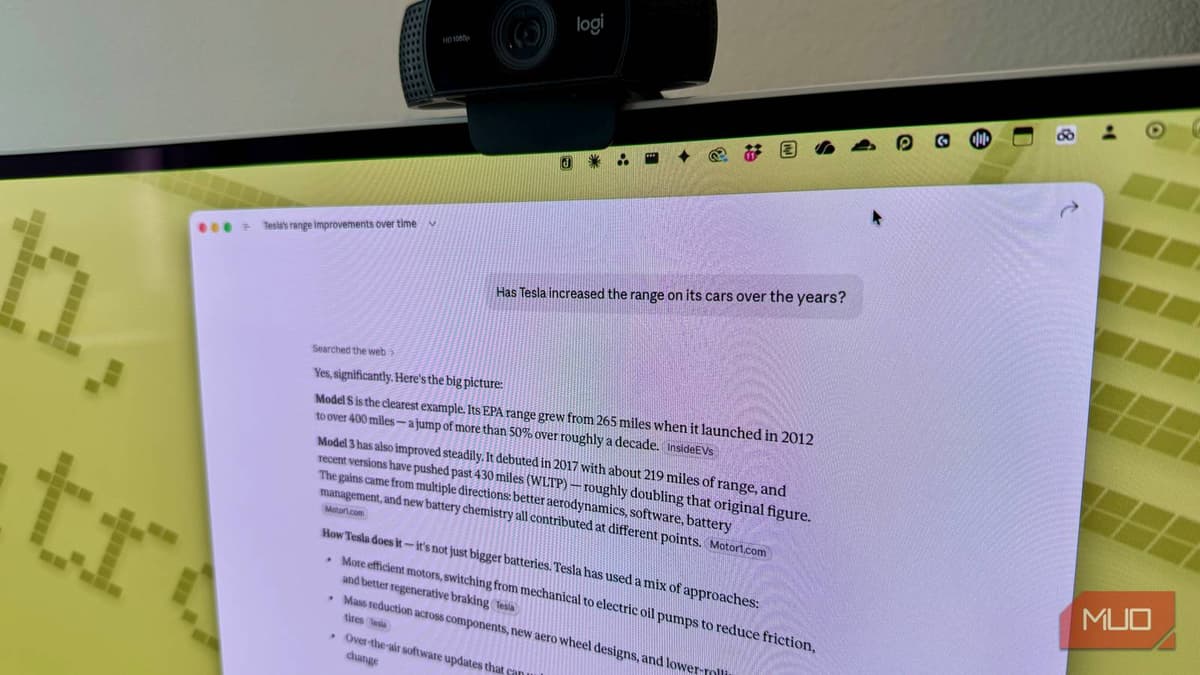
I Replaced 5 Apps With Claude AI — and I'm Not Going Back
Rob LeFebvre reports that Claude AI has replaced five separate productivity tools—Grammarly, Adobe Acrobat, note‑taking apps like Notion and Obsidian, Readwise Reader, and basic research aggregators. Claude’s context‑aware editing, 200,000‑token document handling, Projects workspace, and Research modes let him consolidate...

A Guided Walking Meditation to Notice the Beauty Around Us—Even in the City
Kazumi Igus, a science teacher and mindfulness facilitator, released a guided walking meditation designed for city environments. The practice blends deep breathing, sensory awareness of sounds, smells, colors, and wildlife, and gratitude to help participants slow down amid urban bustle....

Cracking the Code of Collaboration
Consultancy MARINA&TEAM, together with analytics specialist Code18, introduced a data‑driven framework that quantifies team chemistry by scoring 18 behavioural factors. The model builds on research such as Google’s Project Aristotle, which showed that psychological safety, clarity and trust outweigh raw...

Effortlessly Mindful: How Nature Resets Your Brain State (M)
Recent research shows that spending time in natural environments triggers a cascade of neurological changes that closely resemble the effects of mindfulness meditation. Exposure to green spaces lowers cortisol, activates the prefrontal cortex, and enhances attention networks, producing measurable improvements...

I’m Addicted to Checking My Phone. Could a Blocking Device Stop Me?
Physical phone‑blocking devices that use NFC to create a magnetic lock are gaining traction as a hands‑on antidote to doomscrolling. Journalist Brigid Delaney tested one, describing how the device forces a 30‑minute “phone‑free” window and interrupts her habitual app‑hopping. She...

The Bandwidth Crisis At The Top
Executives are confronting a growing "bandwidth crisis" as meeting overload and constant digital interruptions erode strategic focus. A recent survey of Fortune 500 CEOs shows a 30% decline in time spent on high‑impact initiatives, with many reporting fatigue from endless...

2 Years Ago, Incoming Apple CEO John Ternus Gave a Commencement Speech at His Alma Mater. His Advice Is Still...
Apple senior vice president of hardware John Ternus will replace Tim Cook as CEO in September. Two years ago he returned to the University of Pennsylvania to deliver a commencement address that emphasized meticulous craftsmanship. He recalled late‑night work on...

The Angel in the Marble
Leadership often mirrors Michelangelo’s carving process: the talent already exists, and the leader’s role is to free it. The article argues that many managers add tasks and restructure without a clear vision, obscuring employees’ innate strengths. By asking “what’s already...
Real Leaders Don’t Just Spot Problems in Their Business — They Own the Fixes. Here’s How.
Effective leaders go beyond flagging issues; they deliver structured options and outline consequences. Research shows that presenting a problem without a solution forces costly cognitive switches, while paired options accelerate decision momentum. By framing alternatives in neutral, risk‑weighted terms, leaders...

What Gen Z Really Wants: Rethinking Commitment
Generation Z, born 1995‑2006, is reshaping workplace expectations by demanding purpose, flexibility, and well‑being alongside financial security. Deloitte’s 2025 survey shows meaningful work now ranks with pay as a top career driver. As true digital natives, they bring AI‑savvy skills...

I'm A Neuroscientist: Here's How To Use Affirmations To Ease Anxiety
Neuroscientist Wendy Suzuki explains that spoken affirmations activate brain regions linked to self‑processing and reward, and modestly lower anxiety in experimental settings. Brain imaging studies confirm these mood‑enhancing effects. Suzuki recommends pairing affirmations with physical exercise, as in her IntenSati...

12 Week Year: How to Get Started in 2026
The 12‑Week Year, created by Brian P. Moran, reframes annual objectives into four 12‑week cycles, forcing a heightened sense of urgency. By breaking goals into specific weekly targets, it combats procrastination and the diffusion of effort across too many projects....
IBM CEO Arvind Krishna on His First Job and the Lessons He Learned From It
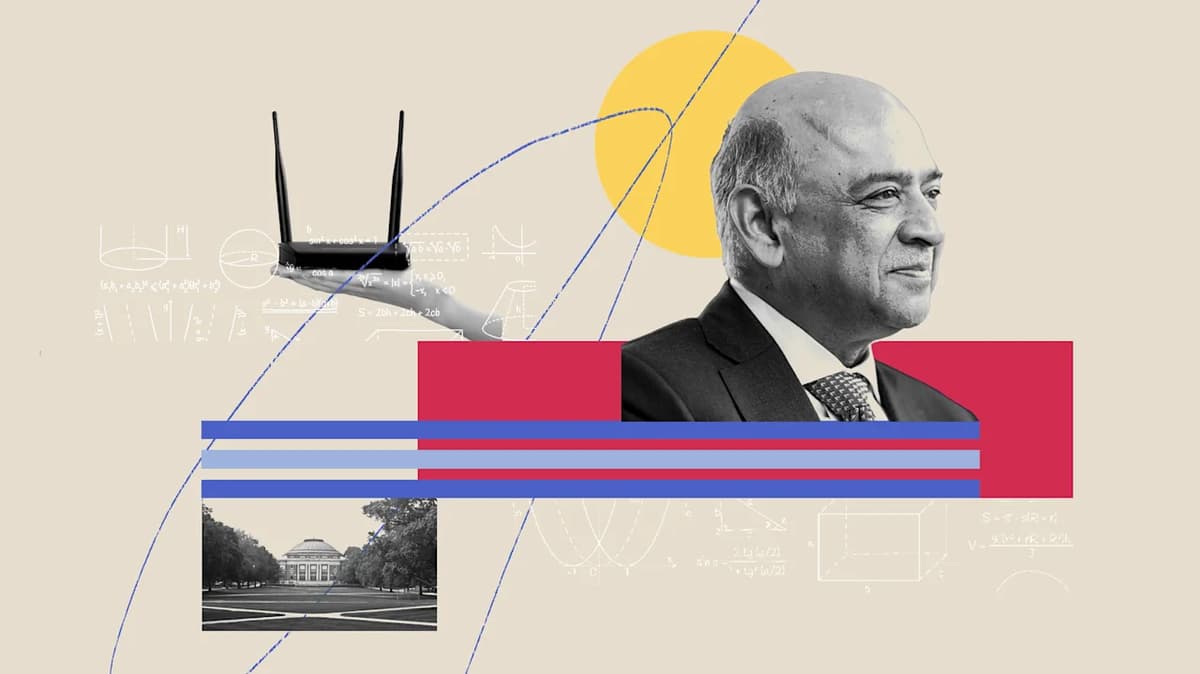
Arvind Krishna recounts his early IBM Research role, where graduate work on cyclic codes unexpectedly became the technical basis for Wi‑Fi. The breakthrough illustrated that curiosity can yield future‑critical patents, but the technology alone stalled until IBM’s product team recognized...

Build Your Resilience in the Face of Tough Change
Harvard Business Review’s Alison Beard and Adi Ignatius interview cognitive scientist Maya Shankar about building resilience when sudden change threatens professional identity. Shankar shares her own career‑ending violin injury and research showing people prefer certainty, explaining how anchoring to a...
Why Your Emotional Journey Through Change Makes Complete Sense
Organisations often focus on the logical side of change—business cases, plans, and communications—while overlooking the deep emotional impact on employees. The article explains that change disrupts identity, causing grief, anxiety, and a non‑linear emotional journey that can derail initiatives if...

Tabletop Games Like D&D Act as “Drama Therapy in the Wild” To Boost Players’ Self-Concepts
A new study in Transcultural Psychiatry shows that strong personal bonds with tabletop role‑playing game characters can significantly improve players' real‑world self‑concept, self‑esteem, and sense of belonging. The research, led by Colorado State University anthropologist Jeffrey G. Snodgrass, surveyed 149...

Your Partner Is Not Your Project
The essay explores how the Buddhist concept of upadana—subtle clinging—manifests in intimate relationships when partners project their own expectations onto each other. By describing a simple fist‑tightening exercise, the author illustrates how mental contracts tighten and release, urging practitioners to...

Meryl Streep, Anne Hathaway and the ‘Devil Wears Prada’ Cast on the Sequel
The Devil Wears Prada returns for a sequel on May 1, 2026, reuniting original director David Frankel with Meryl Streep, Anne Hathaway, Emily Blunt and Stanley Tucci. The film revisits the iconic fashion magazine Runway, now confronting tech‑driven market upheaval and a fragmented...

Motivation Shifts Rather than Declines During Periods of Uncertainty, According to New Poll
A Wiley Workplace Intelligence poll of over 2,000 U.S. employees shows motivation does not collapse in uncertain times; it reshapes around leader‑employee interaction. Respondents said uncertainty itself isn’t the main driver of disengagement, but visible, transparent, consistent leadership is. Employees...

Psychology Says the Highly Perceptive People, the Ones Who Notice the Shift in a Friend’s Voice Three Sentences Before Anyone...
Psychology research shows that people who quickly sense shifts in tone or tension are not innately gifted but often develop hypervigilance as a survival response to unpredictable childhood environments. Studies link early trauma to sensory processing sensitivity, which can evolve...

I Built Radical Possibility in Schools — and It Nearly Broke Me
The author, a Black educator and Voices of Change fellow, chronicles her journey using radical pedagogy and DEI initiatives to transform a Cincinnati Montessori school. She highlights four essays that explored Black literature, joy, and hair discrimination, culminating in a...