
Stop Looking for a Coach. Find a Mentor.
The author argues that today’s entrepreneurs should prioritize mentors over traditional business coaches, emphasizing lived experience and shared values. Drawing on a 30‑year career—from IBM’s Next Gen Program to a six‑figure mentorship investment—the piece illustrates how mission‑driven mentorship delivered seven‑figure product launches. It contrasts the transactional nature of coaching with the relational, purpose‑centric approach of mentorship, especially for women balancing family and business. The narrative concludes that authentic mentors, often accessed through mastermind groups, provide the energy and insight needed for extraordinary growth.

Creating a Healthy Summer Self-Care Routine
Summer’s promise of freedom often masks a hidden surge in burnout and overcommitment, leaving self‑care at the bottom of many people’s priority lists. The article emphasizes that intentional awareness—asking how you’d treat a loved one in distress—can reframe self‑care as...

The Attention Audit: A 7-Day Framework to Reclaim Your Focus
The Attention Audit is a seven‑day, low‑tech protocol that helps individuals quantify where their focus slips by logging every phone unlock, app switch, or mental drift in a paper notebook. Over the first two days participants typically record 150‑250 “reaches,”...

You’re Not Who You Think You Are
The article challenges the promise of self‑help books that claim thought alone can reshape identity, arguing that such techniques ignore deeper conditioning formed in childhood. It explains that personal identity and coping strategies are products of early messages, not innate...

The Art of Defying Organizational Drift
Steve Goldbach and Geoff Tuff discuss their new book *Hone: How Purposeful Leaders Defy Drift*, the third in a trilogy that moves from bold action (*Detonate*) to managing exponential change (*Provoke*) to shaping behavior through system design. They define organizational...

Improving Leadership Maturity
Leadership maturity is framed as the ability to ask the right questions, regulate emotions, and make values‑driven decisions that guide teams through complexity. The article outlines how mature leaders amplify talent, build credibility, and foster cultures that attract high performers....

The Commencement Speech I'd Actually Give: 40 Rules for the Real World
Steve Magness, George Mason University’s alumni of the year, published a "cheat‑sheet" commencement speech that distills 40 practical rules for navigating the real world. He frames the list with a personal story about entering graduate school without a plan, leveraging...
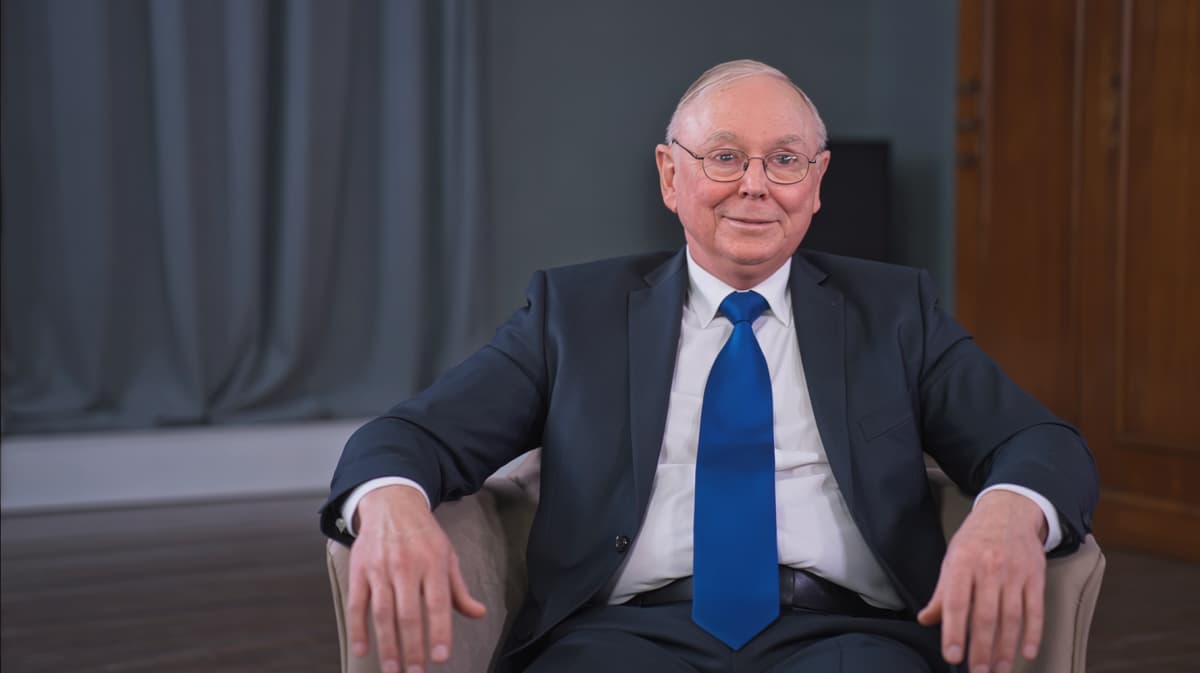
If You Want to Transform Your Life, Charlie Munger Says Build These 6 Mental Habits
Charlie Munger attributed his success to six disciplined mental habits rather than raw intellect. He urged daily incremental learning, building a cross‑disciplinary latticework of mental models, and routinely inverting problems to expose failure points. Constant reading, earning what you want...

Good Practices Deserve Good Explanations
Dr Ranulf Crooke’s article separates the hype around breathwork from the science, focusing on three popular claims—CO₂ tolerance, chronic over‑breathing, and nasal breathing. He argues that many practices deliver real benefits, yet the physiological explanations often outpace the evidence. By highlighting the...

Book Freak #212: Prometheus Rising
Book Freak #212 spotlights Robert Anton Wilson’s *Prometheus Rising*, a guide that blends Timothy Leary’s eight‑circuit model with practical exercises for mental reprogramming. The episode breaks down four core principles: the Thinker‑Prover feedback loop, the concept of reality tunnels, society’s...

6 Simple Habits to Reduce Stress and Anxiety
The article outlines six evidence‑based habits that anyone can adopt to lower stress and anxiety, from spending at least 20 minutes in nature to decluttering one’s living space. Each habit is backed by research showing physiological benefits such as reduced...

What Deleting LinkedIn Taught Me About 6x Growth
The author deleted his LinkedIn profile and, after appearing on Lenny Rachitsky’s podcast, saw demand for his executive‑representation practice surge six‑fold. Within two weeks the firm booked $450K in new engagements, with the pipeline now exceeding $1M. He is refocusing...

Radical Empathy: The Counterintuitive Skill That Made Me Better at Everything Else
Former intelligence officer describes "radical empathy" as the disciplined ability to suspend moral judgment and truly understand an adversary’s perspective. He argues this skill, honed in covert recruitment, is essential for building authentic trust with sources and anticipating their actions....

Mental Models That Change How You Think | Bill Gurley
Bill Gurley, longtime Wall Street veteran and Benchmark partner, discusses the mental models that shape his investment decisions in a new Farnam Street podcast episode. He emphasizes systems thinking, second‑ and third‑order effects, and the need to balance foundational knowledge...

Talent Gets You In The Game, But Your Practices Keep You At The Table
The article argues that while raw talent gets creative professionals noticed, it is disciplined daily practices that keep them consistently productive and influential. It highlights three habits—short daily writing, solitary morning thought‑capture, and intentional consumption of inspiration—as proven levers for...