
The Number One Reason Execs Don’t Make It to C-Suite
A recent analysis of 130 senior‑leader profiles reveals that the single biggest barrier to reaching the C‑suite is a mismatch of leadership styles. Executives who climb to senior level rely heavily on Coaching and Commanding, but C‑suite success demands Visionary and Pacesetting behaviors. The data shows a dramatic inversion: Visionary accounts for 22.5% of style deployment at the top, while Coaching drops to 18.2%. Leaders who fail to make this shift often plateau or underperform once promoted.
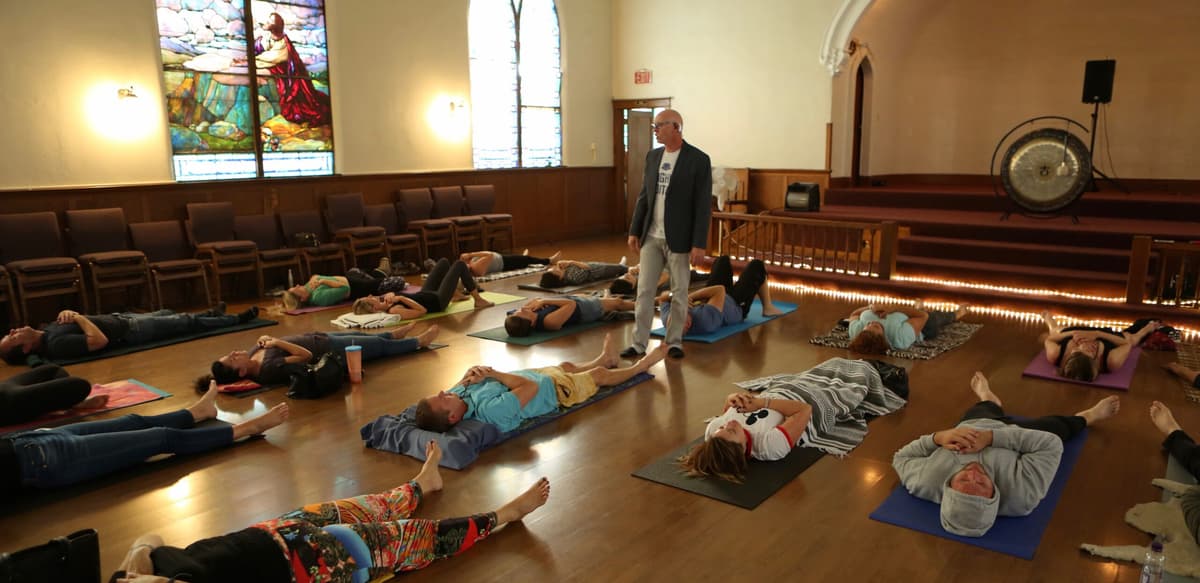
The Role of a Breath Coach in Personal Growth and Wellness
A breath coach provides ongoing, personalized guidance through circular connected breathing, a technique that induces transient hypofrontality and releases stored emotional tension. Unlike group classes or traditional therapy, the coach holds space, offers accountability, and integrates each session’s insights over...
:max_bytes(150000):strip_icc():format(jpeg)/GettyImages-1185510052-5e9c66299df24d318aeda66e25e67a22.jpg)
12 Types of Cognitive Bias That Influence Your Thinking
The article catalogs twelve common cognitive biases—from confirmation and hindsight to status‑quo bias—explaining how each subtly skews perception and decision‑making. It pairs real‑world examples with practical tips for reducing each bias’s impact. By highlighting mental shortcuts that affect everything from...
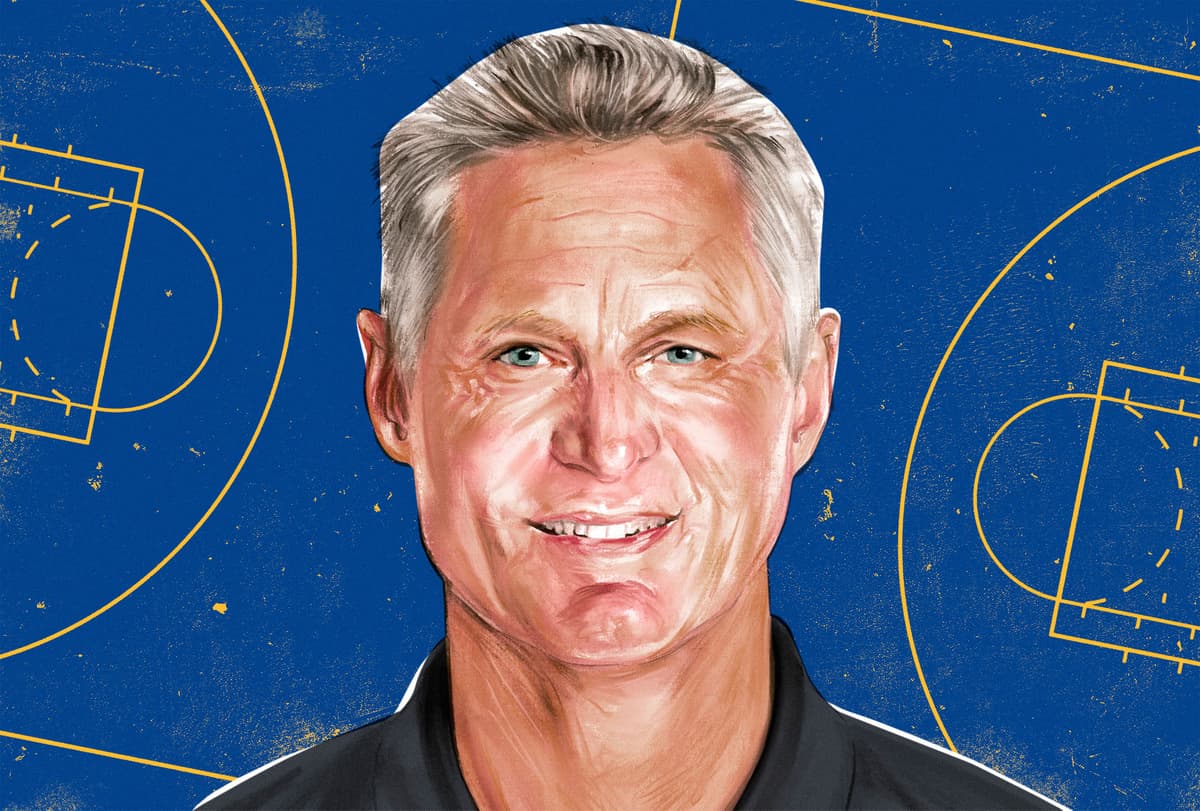
The N.B.A. Legend Steve Kerr
Steve Kerr, former Chicago Bulls guard turned Golden State Warriors head coach, has amassed four NBA championships and a record‑breaking 73‑win season in 2016. He also led the U.S. men’s basketball team to Olympic gold in 2024. Beyond the court,...

Psychology Says People Who Let Dirty Dishes Pile up Instead of Washing Them Immediately Aren’t Being Lazy — They’ve Reached...
Psychologists explain that letting dirty dishes pile up is not laziness but a symptom of ego depletion and mental load. Research shows that after a day of cognitive and emotional labor—especially for mothers—small tasks feel overwhelming because internal energy reserves...

Psychology Says the Children of the 1960s and 70s Absorbed an Unspoken Rule No Later Generation Has Been Given Quite...
The article argues that children raised in the 1960s and 1970s internalized an unspoken rule: the world would not soften for them, adults had their own problems, and they had to figure things out themselves. This early self‑reliance was cultivated...
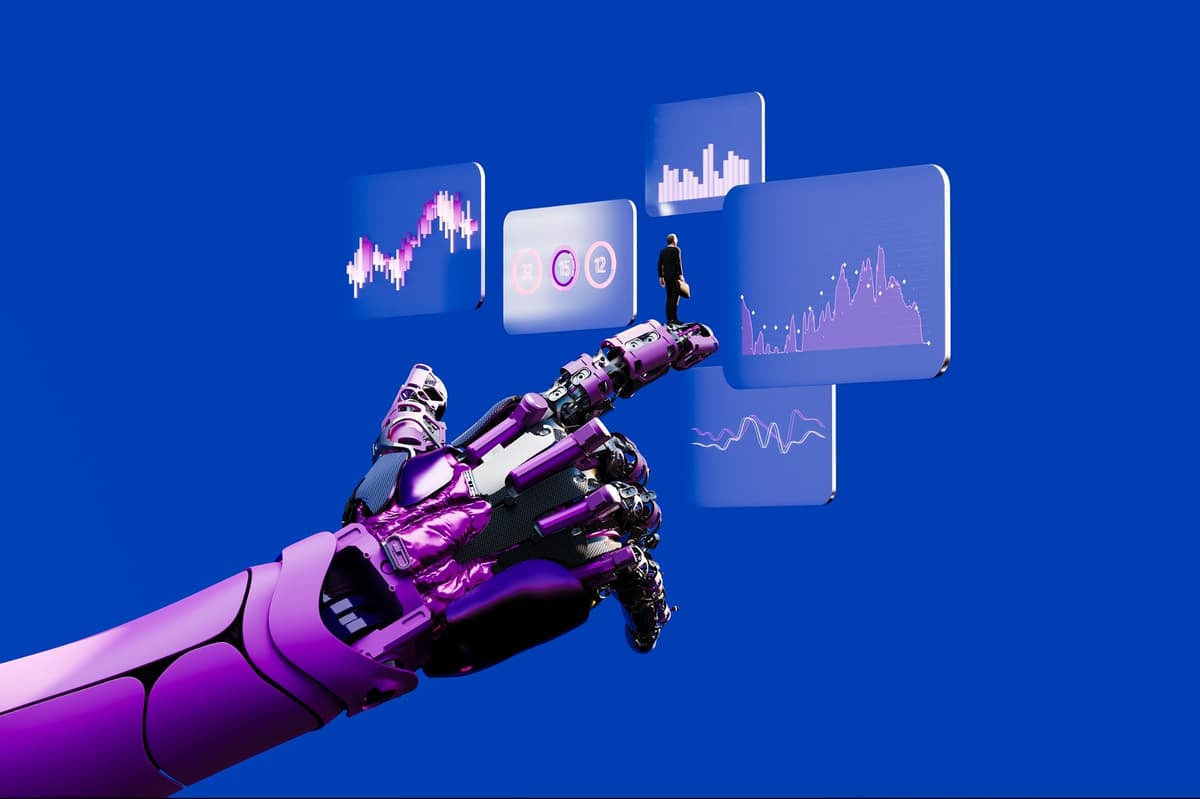
AI Won’t Replace Leaders — It Will Expose Them. Here’s What Most Are Getting Wrong.
As AI tools become more capable, many executives assume human judgment will become obsolete. The article argues that AI lacks context, long‑term perspective, and emotional regulation, making it a poor sole decision‑maker. Effective leaders should use AI as a decision‑support...

Arrogance Isn't Confidence. It's Fear Dressed as Power.
The article reframes arrogance as a fear‑driven protective armor rather than genuine confidence. Drawing on trauma‑focused and Internal Family Systems (IFS) therapy, it shows how over‑compensation masks deep‑seated insecurity and childhood wounds. True confidence, by contrast, emerges from a regulated...

Leadership in Times of Crises
Francis J. Kong’s column in The Philippine Star outlines how businesses can navigate the cascade of global crises—from energy shortages to supply‑chain shocks—by focusing on disciplined leadership. He stresses that cash flow, operational flexibility, customer proximity, core‑strength focus, and composure...

Find Your Garden: The Resources Within Us
The article highlights how accessing inner resources—like visualizing a personal garden—can quickly shift emotional and mental states, drawing on positive‑psychology principles and research on nature exposure. It recounts a case where a mobile‑game founder, Kaito, used garden visualization to reduce...

Psychology Says People Who Keep Handwritten Letters in a Box at the Back of a Closet Aren’t Sentimental, They’re Holding...
Psychologists argue that boxes of handwritten letters are not merely sentimental relics but concrete evidence that someone once devoted significant time and attention to the recipient. While digital communication has absorbed the functional role of letters, it fails to provide...

The Psychiatrist’s Case for Downsizing a Friendship
Psychiatrist and neuroscientist Amir Levine’s new book Secure reframes anxious and avoidant attachment styles as evolutionary assets rather than flaws. He argues that people can boost wellbeing by reshaping their social environment—‘downsizing’ draining relationships and seeking partners who are consistent, available,...

Psychology Suggests People Who Consume Self-Improvement Content Obsessively without Ever Changing Their Lives Aren’t Lazy or Lacking Discipline, They’re Getting...
The article argues that obsessive consumption of self‑help content creates a false sense of progress while sidestepping the discomfort of real change. Psychologists label this "cognitive safety‑seeking," where learning becomes a substitute for action. It also shows how people can...

Nick Lavery’s Machine Mindset Took Him From Amputee Back To The Battlefield
Nick Lavery, a former Green Beret, survived a near‑fatal "green on blue" attack in Afghanistan that left him an above‑knee amputee. Defying conventional medical expectations, he retrained, completed grueling physical tests and became the first above‑knee amputee to redeploy in...

Here’s Why Dreams During Naps Are So Weird
A Paris Brain Institute team recorded 92 habitual nappers as they fell asleep while holding a bottle that would wake them. Participants rated their mental experience, revealing four distinct clusters ranging from fleeting memories to bizarre, uncontrolled imagery. EEG data...

NBAA Partners with MedAire to Offer Mental Health Peer Support to Individual Members
MedAire and the National Business Aviation Association (NBAA) have teamed up to give individual NBAA members direct access to MedAire Wellbeing Services at a preferred rate. The partnership expands the program—previously limited to flight departments—to pilots, flight attendants, schedulers, dispatchers...

VIDEO: II’s The Breakfast Briefing – Rob Allen, CEO, IFGL
International Financial Group Limited (IFGL) marked a year under CEO Rob Allen with a relaxed Breakfast Briefing filmed beside its Douglas office. Allen discussed his leadership routine, emphasizing fitness and work‑life balance as drivers of performance. The interview highlighted IFGL’s...
You Are What You Keep: Why We Cling to Clutter and How to Free Yourself of It
Clutter has become a pervasive issue as homes shrink and multitask, turning simple messes into logistical and emotional burdens. Researchers like Dr. Joseph Ferrari distinguish everyday clutter from clinical hoarding and use the Clutter Quality of Life Scale to gauge...
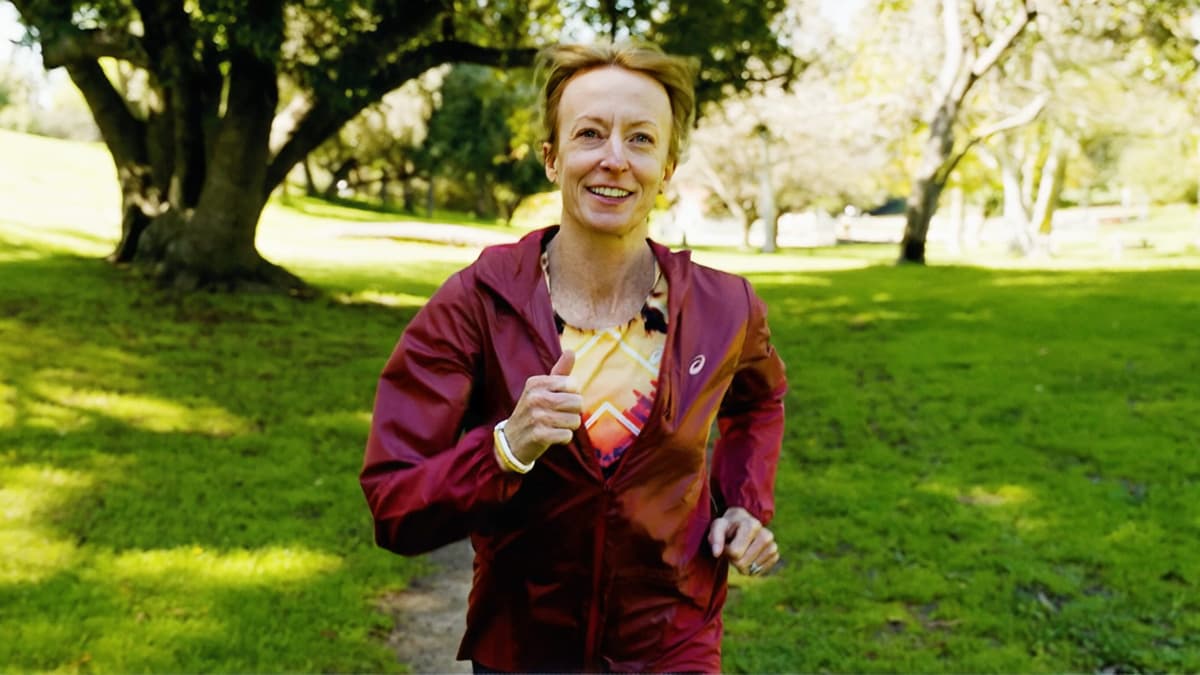
The Runner’s World Guide to Mental Health
Runner’s World+ has released a video guide titled “The Runner’s World Guide to Mental Health,” hosted by Olympic marathoner Deena Kastor and featuring experts such as Harvard psychiatrist John Ratey, mental‑performance consultant Lennie Waite, and social‑work therapist Dwayne Brown. The...

Psychology Says the People Who Keep Saying They’re Fine when They Clearly Aren’t Aren’t Lying, They Learned Somewhere Along the...
People who answer “I’m fine” when they aren’t are not deliberately lying; they are conserving the limited emotional energy required for full disclosure. Research shows that suppressing authentic feelings taxes attention, working memory, and physiological recovery, making a brief “fine”...

The Psychological Costs of Adopting AI
Leaders are confronting a hidden cost of AI adoption: psychological debt, which erodes motivation, collaboration and increases burnout. A survey of more than 1,200 U.S. and U.K. employees identified six debt types—cognitive, autonomy, competency, relatedness, credibility and identity—each linked to...
This Is the Critical Part of Work Leaders Keep Missing
Workplace leaders often focus on visible metrics like productivity and efficiency, overlooking the deeper human drivers of meaning, belonging, and identity. These spiritual needs shape employee well‑being, motivation, and discretionary effort. When ignored, organizations miss out on creativity, commitment, and...

Science Says the Most Productive People Don’t Actually Work That (Darned) Hard. Neither Should You
Research shows most people can focus 90‑120 minutes before needing a break. The article argues that long‑term output depends on durability, not short bursts of speed. It uses a factory worker example to illustrate how initial high productivity fades, reducing...

Psychology Suggests People Who Are Always Either Early or on Time Share a Single Trait that Quietly Governs Many Other...
Psychologists argue that punctuality is more than a scheduling habit—it serves as a reliable proxy for personal integrity. People who consistently honor even minor time commitments tend to internalize the principle that a spoken promise is a binding obligation. Over...
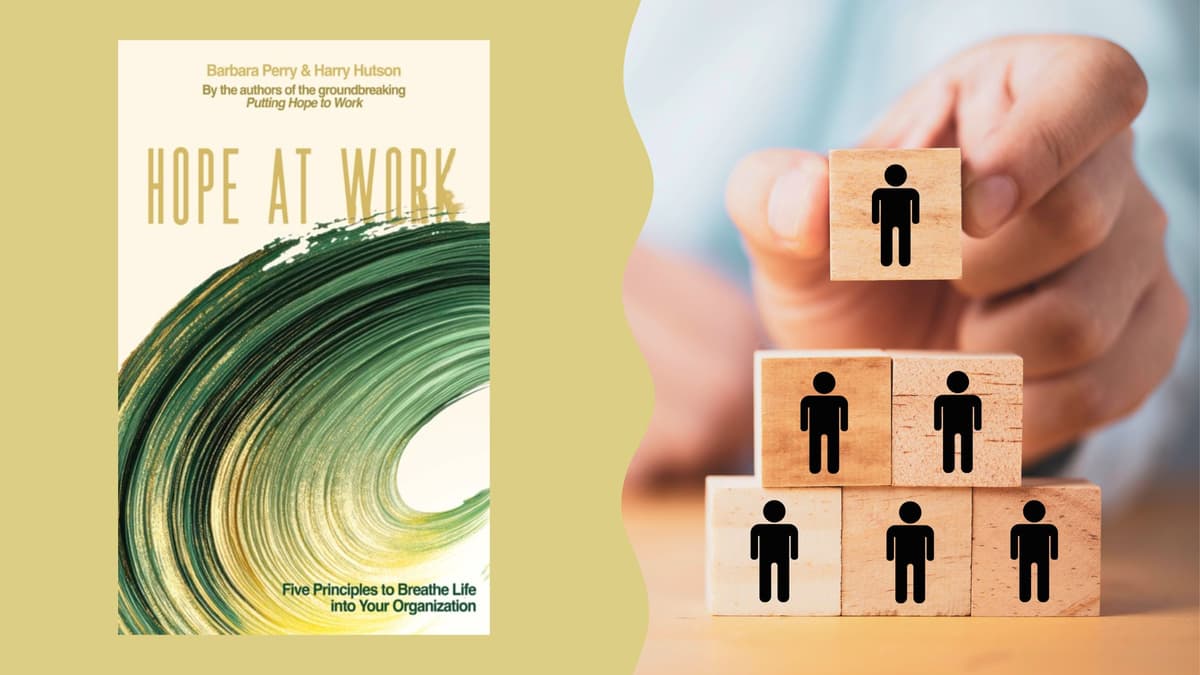
New Book Reveals the 5 Principles to Breathe Life Into Your Organisation
"Hope at Work: 5 Principles to Breathe Life into Your Organization" by Barbara Perry, Ph.D., and Harry Hutson, Ph.D., presents hope as a strategic tool for leaders navigating post‑pandemic uncertainty. Drawing on three decades of consulting, the book outlines five...

Barack Obama’s Former Speechwriter Says Founders Make This 1 Public Speaking Mistake. Here’s How to Avoid It
Jon Favreau, former chief speechwriter for President Barack Obama, shared on The Bossticks podcast how founders can avoid a common public‑speaking pitfall. He warns against writing speeches for the history books and urges a conversational tone that feels like talking...

Workers Who Do a ‘Sunday Reset’ May Make $25,000 More a Year
Americans are turning Sundays into a productivity ritual called the “Sunday reset,” a trend that now reaches over half of the population. The habit, popularized on TikTok and Pinterest, involves light chores, meal‑prepping, and planning to reduce anxiety before the...

Run Your Business Like a Buyer Could Walk Through the Door at Any Minute, Hustle Mindset
Reece Borg’s “Hustle Mindset” urges founders to run their companies as if a buyer could walk in at any moment, shifting focus from rapid growth to robust systems. By prioritising clear processes, consistent revenue, and defined roles, entrepreneurs transform a...

Warren Buffett Explained That the Greatest Measure of Success at the End of Your Life Comes Down to 1 Word
Warren Buffett says the ultimate yardstick of a life well‑lived is how many people you love and who love you back. He argues that traditional success metrics—revenue, titles, market share—miss the single word that truly matters: love. The insight challenges...

I Was One of Lovable's First 50 Hires. Here's How I Got the Job After Initially Getting Rejected.
Mindaugas Petrutis, a non‑technical content creator, was initially rejected by AI startup Lovable but later became one of its first 50 hires. He spent months building daily AI prototypes, sharing them publicly, and solving the company’s influencer‑marketing problem during a...

Kids Need These 3 Things to Thrive in the AI Era, Futurist Peter Diamandis Says
Futurist Peter Diamandis says children must anchor themselves in three pillars—purpose, curiosity, and the right mindset—to thrive as AI reshapes education and work. He urges parents to help kids discover a "massive transformative purpose" early, using AI as a limitless...

I'm a Big Tech Executive with ADHD and Anxiety. Neurodivergence Has Its Downsides, but I've Turned My Habits Into Strengths.
Wainwright Yu, a director at a Magnificent 7 tech firm, explains how he leverages his anxiety and ADHD as strategic assets. He treats anxiety as a continuous risk‑monitoring system, running mental checklists that surface hidden threats before they materialize. His ADHD‑driven...

Art Films Can Make You More Creative
Researchers at UC Santa Barbara conducted a randomized experiment with nearly 500 participants, comparing artistic short films to humorous home‑video compilations. Viewers of the experimental art shorts scored significantly higher on tasks measuring conceptual expansion and story originality, indicating a...

Psychology Says People Who Are Warm on the Surface but Have No Close Friends Aren’t Lonely because They’re Disliked —...
Psychologists explain that people who appear warm and low‑maintenance often feel lonely because they never allow others to be needed by them. The interpersonal process model of intimacy shows that true closeness emerges from reciprocal self‑disclosure and responsiveness, not from...

Psychology Suggests People Who Still Write Things Down on Paper Instead of Their Phone Aren’t Being Old-Fashioned — They’ve Quietly...
People who continue to write notes on paper aren’t simply nostalgic; they deliberately choose a tool that outperforms digital alternatives for them. Research shows handwritten notes boost conceptual understanding and trigger broader brain connectivity compared with typing. This habit reflects...

At Nature HQ: Vivobarefoot’s Galahad Clark Is Rewriting The Rules Of Leadership
Vivobarefoot’s CEO Galahad Clark has transformed the shoe brand’s headquarters into a ten‑acre "Nature HQ" where employees grow food, hold meetings outdoors and follow a flat, ecosystem‑inspired hierarchy. The purpose‑first model has helped the company surge from roughly £30 million ($37.5 million)...

Rise and Shine: How Morning Sun Boosts Productivity
Morning sunlight exposure shortly after waking resets the body’s circadian clock, halting melatonin and boosting cortisol and serotonin, which enhances alertness and mood. Experts recommend 15 to 30 minutes of natural light within the first two hours of the day,...

Psychology Says People Who Maintain a Strong Memory Deep Into Retirement Share a Single Trait that Has Nothing to Do...
Recent neuroscience reviews reveal that genuine curiosity, not diet or brain‑training apps, is the single trait that helps retirees preserve sharp memory. Studies by Michiko Sakaki and Alan Castel show curiosity activates dopamine and norepinephrine pathways, sustaining the brain’s memory...
Psychology Says People Who Keep Their Cars Immaculately Clean Inside Aren’t Just Tidy, They Grew up in Households Where Chaos...
A new psychological analysis links immaculate car interiors to childhood environments marked by unpredictable chaos. The "control hypothesis" argues that adults who grew up in erratic households use the car as a private, controllable sanctuary, reinforcing a sense of safety....
Engagement Is a Junk Drawer
The article warns that repackaging familiar concepts—grit, the Dark Triad, Net Promoter Score, nudges, and content marketing—as novel ideas creates a jangle fallacy that obscures real value. It zeroes in on "engagement," now a catch‑all label for clicks, likes and...
What You Didn’t Learn at Work, but Matters Most
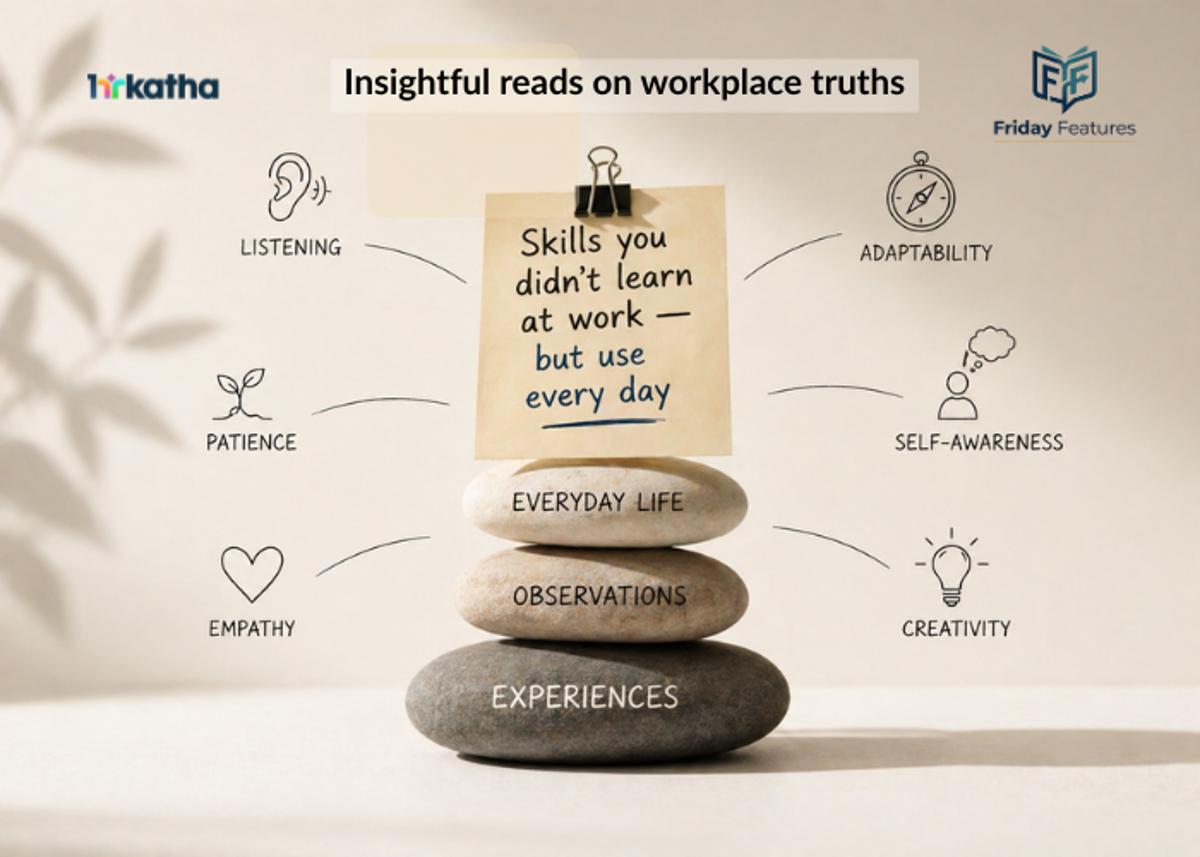
The article argues that many of the most valuable workplace skills develop outside formal training, emerging from personal life experiences. It cites three HR leaders—Atul Mathur, who learned deep listening from his father; Shaleen Manik, who stresses adapting personal resilience...
How To Build And Measure Curiosity In The Age Of Intelligent Machines
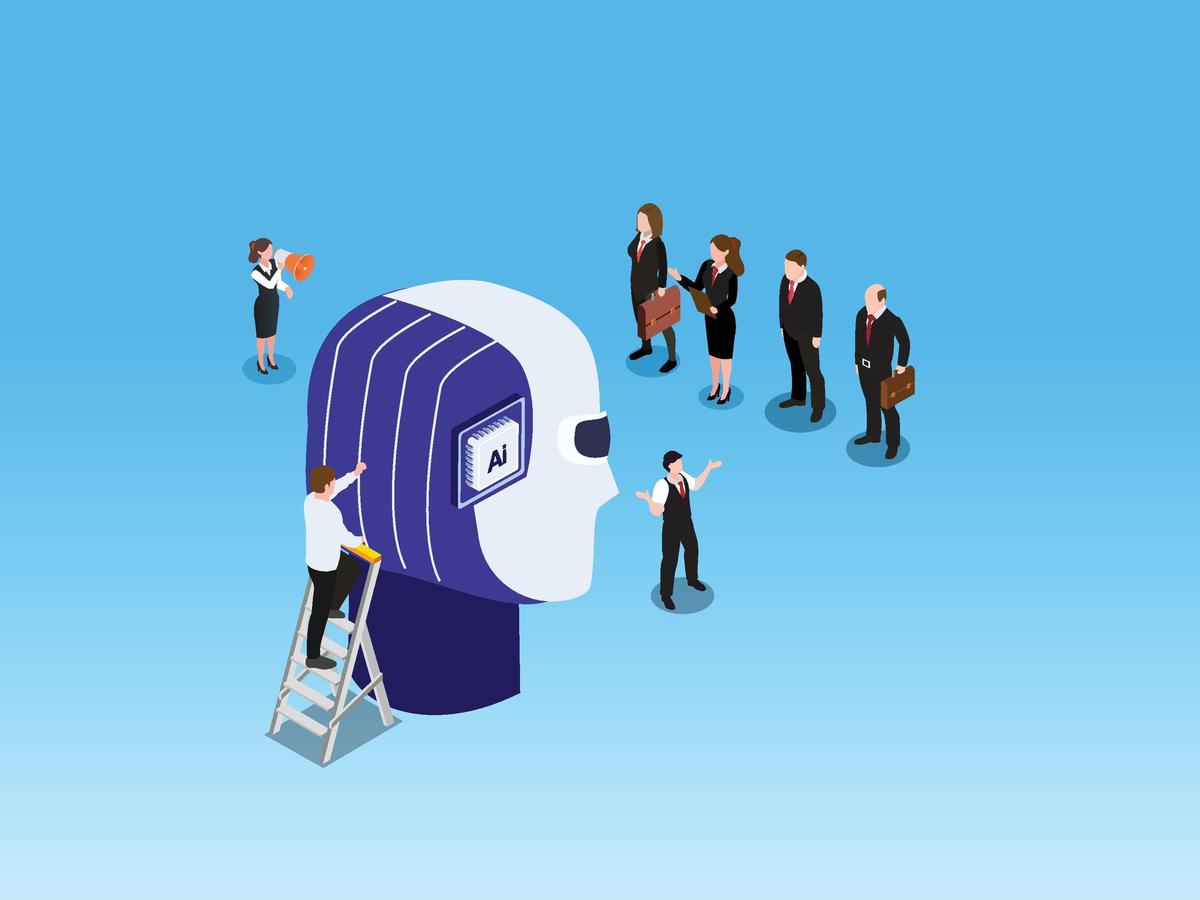
Companies eager to brand themselves as curiosity‑driven are grappling with how to quantify that trait. The article argues that curiosity must be measured through observable behavior—especially the depth of questions asked and the progression of ideas—rather than personality surveys. AI...
:max_bytes(150000):strip_icc():format(jpeg)/GettyImages-825250080-5ba519af46e0fb0025c20ab6.jpg)
You Can Increase Your Emotional Intelligence in 3 Simple Steps—Here's How
The piece defines emotional intelligence (EQ) as the ability to perceive, understand, and manage one’s own and others' emotions, breaking it into four components: perceiving, reasoning, understanding, and managing emotions. It outlines three practical steps—listen, empathize, reflect—to develop EQ and...
:max_bytes(150000):strip_icc():format(jpeg)/GettyImages-639794440-72fed978f39d47a286c588327e79f7e6.jpg)
5 Things to Do If You Are Feeling Worthless
The article outlines five practical steps for people who feel worthless, emphasizing self‑kindness, awareness, gratitude journaling, prosocial actions, and digital mental‑health tools. It explains how negative self‑talk and comparison fuel low self‑esteem, and offers concrete techniques to interrupt those patterns....

How Honesty Frees the Mind
The Buddha teaches his son Rahula that even a small lie empties the contemplative mind, likening it to a ladle emptied of water. He stresses that shame for deliberate falsehood is a core guard for spiritual practice, and that truthfulness...

Mary Portas to Open BRC Leadership Programme
Mary Portas, the veteran UK retail expert and broadcaster, will open the British Retail Consortium’s 2026 Summer School leadership programme. The BRC Learning flagship aims to equip mid‑level retail leaders with skills to navigate a market shifting from price‑driven competition...

I Turned Down a Near-Million Dollar Job With OpenAI. Now My App Has 500,000 People On the Waitlist.
Former Stanford PhD candidate Div Garg turned down a near‑million‑dollar job at OpenAI to found AGI Inc., a startup building a voice‑driven AI assistant that runs on mobile devices. The company secured an $8 million seed round and has amassed about...

Good American CEO Emma Grede Says Working From Home Is “Career Suicide”
Emma Grede, CEO of Good American and founding partner of Skims, called working from home "career suicide" on a Bloomberg podcast, arguing that remote work erodes professional growth and social bonds. She linked the rise of home‑office setups to broader...

Excel's Automation Features Are Faster than ChatGPT, but Most People Never Find Them in the Menus
Microsoft Excel packs a suite of automation tools that can outpace generic AI solutions like ChatGPT for routine data tasks. Features such as Power Query, PivotTables, Office Scripts, Flash Fill, and dynamic array functions let users import, clean, analyze, and...

This New Take on Moving Meditation Levels Up Your Daily Walk
Yoga Journal highlights a fresh take on walking yoga, a form of moving meditation that merges breath, steps, and gentle poses to deepen mindfulness during everyday walks. The practice, gaining traction on social media and through dedicated apps, promises mental‑health...