
Mental Well-Being in the Newsroom
The American Press Institute launched a May Special Edition series on newsroom mental well‑being, timed with Mental Health Awareness Month. The program offers a trio of webinars and practical guides for news leaders to recognize burnout, trauma, and to build psychologically safe cultures. It stresses both individual coping strategies and systemic cultural change, urging leaders to model healthy boundaries. Participants are asked to adopt one small, actionable habit each week to foster lasting improvement.

Turning to Chatbots when Lonely May Exacerbate Feelings of Loneliness, Study Finds
A 12‑month longitudinal study of 2,149 adults across the United States, United Kingdom, Canada and Australia found that loneliness prompts people to seek companionship from AI chatbots, and that increased chatbot use subsequently heightens emotional isolation. Roughly 26‑30% of participants...

8 Leadership Strategies From Top Performers
The article outlines eight leadership strategies drawn from top CEOs, emphasizing mission alignment, bottom‑up input, continuous feedback, purposeful turnover, risk‑taking, diversity, effective delegation, and conflict management. It cites data such as only 40% of employees understanding their company’s mission and...

Swin Cash: ‘Basketball Was Never Just a Game for Me. It Became My Path to Bigger Change.’
Swin Cash says basketball is more than a game; she leverages her experience as a WNBA champion, Olympic gold medalist, NBA executive, and analyst to launch She’s Got Time, a platform connecting women across the sports industry. She cites research...
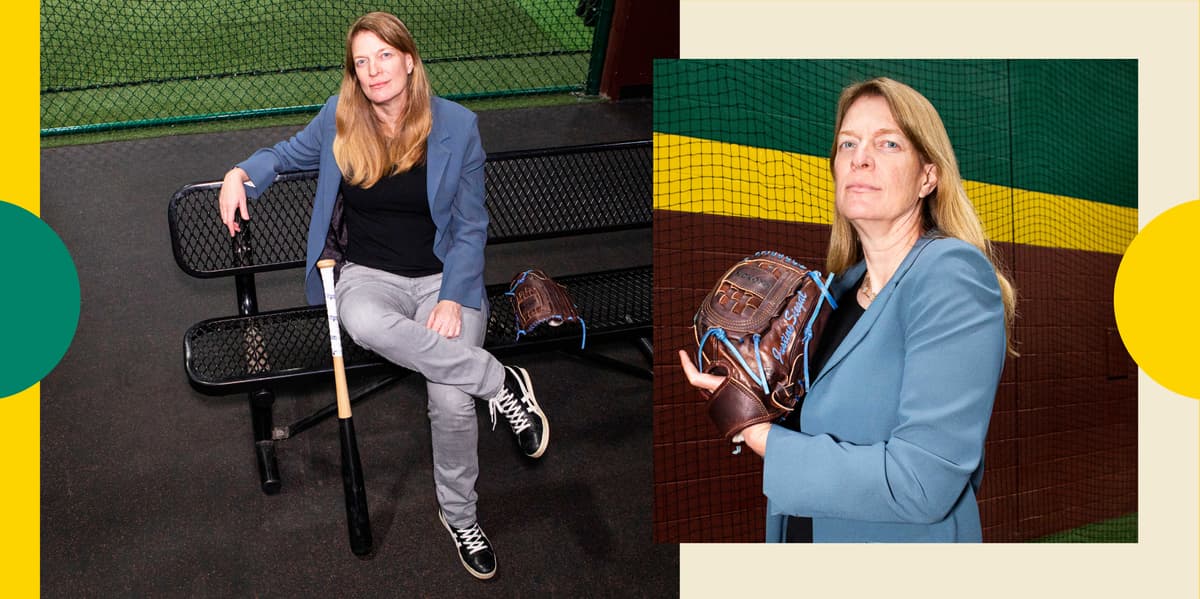
Justine Siegal Was Told Girls Don’t Belong in Baseball. She Built a League to Prove Them Wrong.
Justine Siegal, a former high‑school baseball player, became the first woman to coach men’s professional baseball and to throw batting practice for an MLB team. Leveraging a PhD in sports psychology, she founded the nonprofit Baseball for All in 2010...
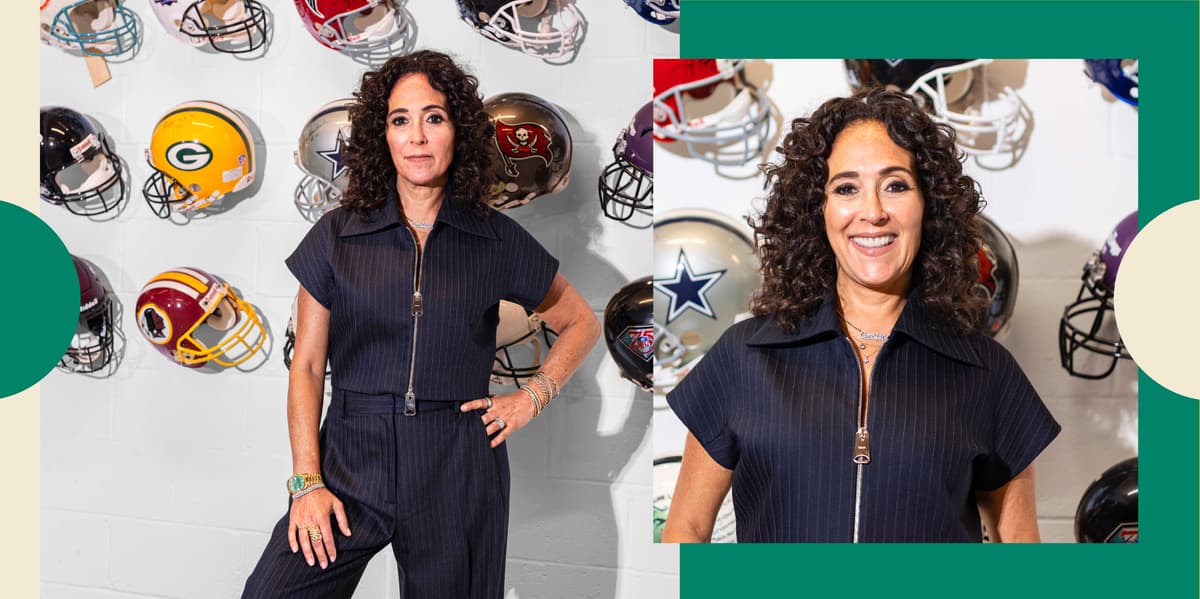
Constance Schwartz-Morini Built a Powerhouse Sports Career on Losses, Lessons, and Leverage
Constance Schwartz‑Morini turned a high‑school negotiation—trading a frog dissection for a spot on the bowling team—into a lifelong talent‑management career. After a decade in the NFL’s entertainment‑marketing division and a stint guiding Snoop Dogg’s brand, she co‑founded SMAC Entertainment with Michael Strahan...
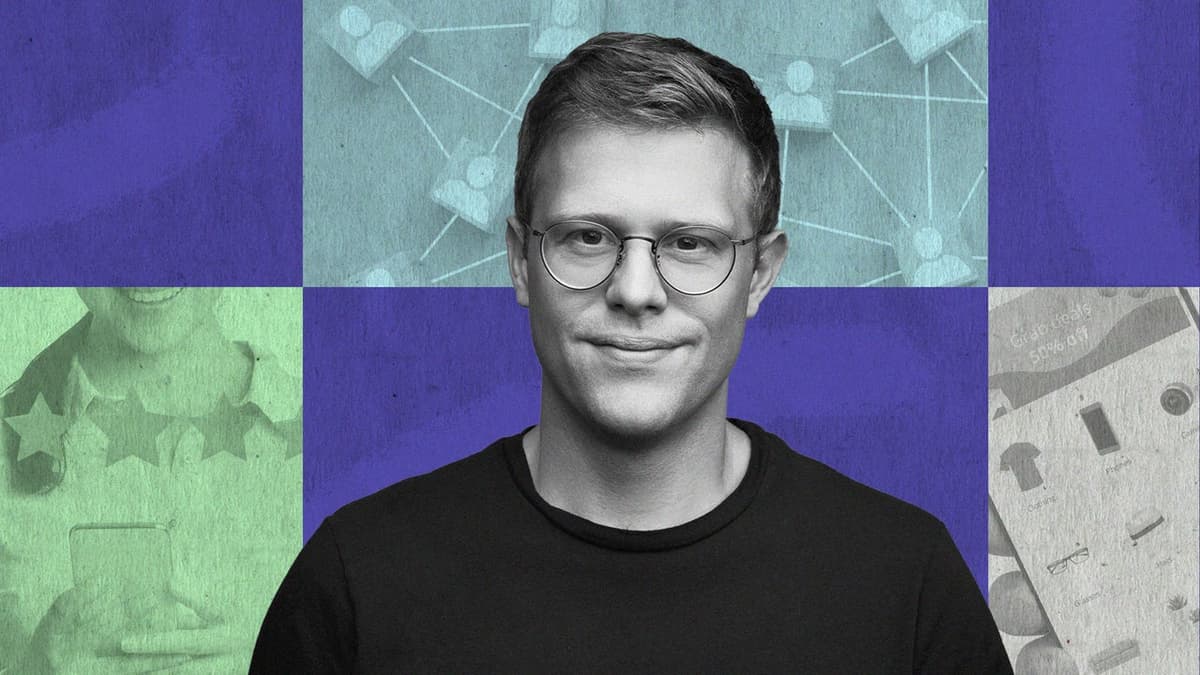
How Whatnot Goes Beyond Dogfooding to Instill a Consumer Focus
Whatnot, the live‑shopping platform launched in 2019, mandates that all 1,000+ employees buy, sell, and handle support tickets on the app each quarter, receiving $150 in credits for purchases. This rigorous dogfooding policy is tied to performance reviews, ensuring staff...

People Who Keep Their Phone Face-Down on Every Table Aren’t Hiding Something — They Learned, Somewhere Along the Way, that...
The article explains why many adults habitually place their smartphones face‑down on tables: it’s a deliberate act to reclaim control over their time rather than a secretive gesture. The behavior stems from a childhood “phone wins” rule that taught interruptibility...

Adults Who Can Sit Through a Long Silence without Filling It Aren’t Cold — They Grew up Around People Who...
Adults who comfortably sit through prolonged silences often grew up in homes where words were wielded as tools of control rather than connection. In such environments, quiet became a sanctuary, teaching children to think deeply in the gaps between speech....

The CEE Startup Superpower: Cultural Weakness Becomes Competitive Edge
At the Startup Moldova Summit 2026, cultural expert Jaïr Halevi warned Central and Eastern European founders that neglecting company culture is a strategic blind spot. He likened culture to a tennis serve—founders control it while external market forces remain unpredictable....

Access without Action: How Toxic Mindsets Stop Learners From Realizing Their Potential
The Institute for Self‑Directed Learning surveyed 4‑12th‑grade students at The Forest School who were at least one grade level behind on IXL diagnostics. Although 78% said peers or family could help, only 28% collaborated regularly, exposing an “access‑action gap.” The...

Trained Equanimity and a Bias Toward Action
Seth Godin’s essay reframes equanimity and a bias toward action as a combined operating system for professionals. He argues that staying calm while deliberately acting turns optimism into measurable progress. The piece urges readers to focus on the present, avoid...
:max_bytes(150000):strip_icc():format(jpeg)/wellness-rituals-make-you-happy-GettyImages-1450562280-ae261fc05fbb49acab79766fb6ef03dc.jpg)
5 Simple Wellness Rituals That Can Actually Make You Happier
Leadership coach Dana Mahina outlines five simple wellness rituals—intentional microjoys, boundary gratitude, energy auditing, presence pausing, and values‑alignment check‑ins—to boost mental wellbeing and happiness. She stresses that mental health is inseparable from physical health and that high‑achieving professionals often neglect inner...

I Noticed Last Month that I Have Been Turning Down Invitations Not because I Don’t Want to Go, but because...
The author, a 44‑year‑old professional, realized he’s been reflexively declining social invitations even though the underlying obligations that once accompanied them no longer exist. He traces the habit to a decades‑old “contract” where saying yes meant managing logistics, emotional labor,...
Be More Productive By Stopping
The article argues that true productivity comes from stopping counterproductive habits rather than adding more tools. It lists eleven specific actions to quit—excessive email checks, news and clickbait browsing, Instagram scrolling, bedtime device use, hoarding physical and digital reading material,...

Researchers Map Trauma Symptoms Among Palestinian Refugees
Researchers led by Noha Fadl surveyed 558 Palestinian refugees in Egypt and applied Bayesian network analysis to map anxiety, depression and PTSD symptoms. Suicidal ideation emerged as the central symptom for both men and women, while gender‑specific secondary hubs—energy loss...

Jon M. Chu Didn’t Think He “Deserved To Be In Hollywood” Before ‘Crazy Rich Asians’: “I Got Very Lucky”
Jon M. Chu revealed on a Canva Create panel that he long struggled with imposter syndrome, feeling he didn’t deserve a place in Hollywood until the breakthrough success of Crazy Rich Asians. He described the film as a lucky lottery...
:max_bytes(150000):strip_icc():format(jpeg)/IuliiaBondar-de5a661740a8455e93be3e840ddfc5e5.jpg)
How a Brain Dump Can Help You Relieve Stress
A brain dump is a free‑form writing exercise that transfers thoughts onto paper, helping to clear mental clutter and lower stress. Unlike structured journaling, it imposes no rules, making it easy to start at any time. Research shows that brief,...
:max_bytes(150000):strip_icc():format(jpeg)/160002680_HighRes-56a792965f9b58b7d0ebcd86.jpg)
How Your Brain Plays Tricks on You
The article outlines how the brain relies on mental shortcuts, or heuristics, that speed up decision‑making but often introduce systematic errors. It details common cognitive biases—availability, halo, hindsight, attributional, confirmation—and explains phenomena such as change blindness and pareidolia that distort...

10 Reasons Napping Is The Ultimate Power Move For Your Brain, Heart & Mood (P)
A growing body of research shows that brief daytime naps are a physiological tool, not a luxury. Studies link 20‑minute naps to measurable gains in memory, attention, and mood, while regular napping can cut stroke risk by roughly half. The...
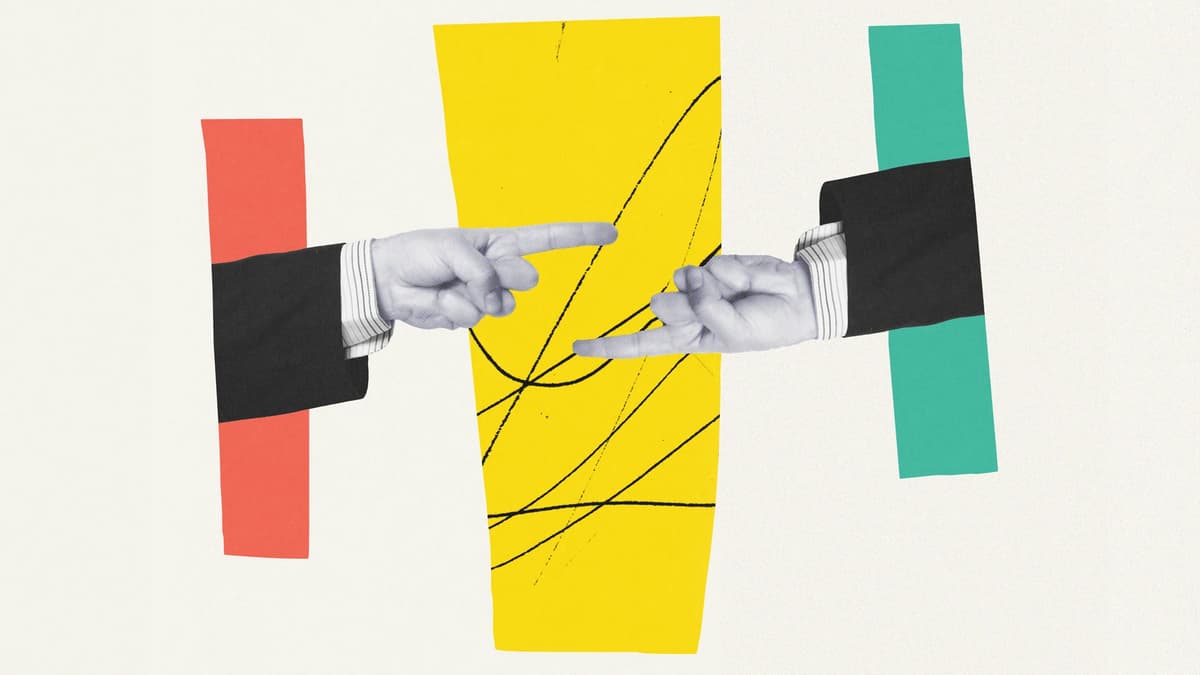
Your Leadership Style Might Be Helping or Holding Your Team Back
Leadership style acts as a constraint on organizational performance. Fear‑based leaders create rules, micromanage approvals, and prioritize short‑term revenue, while love‑based leaders build clear standards, psychological safety, and value alignment. The article contrasts these approaches with a thought experiment prompting...
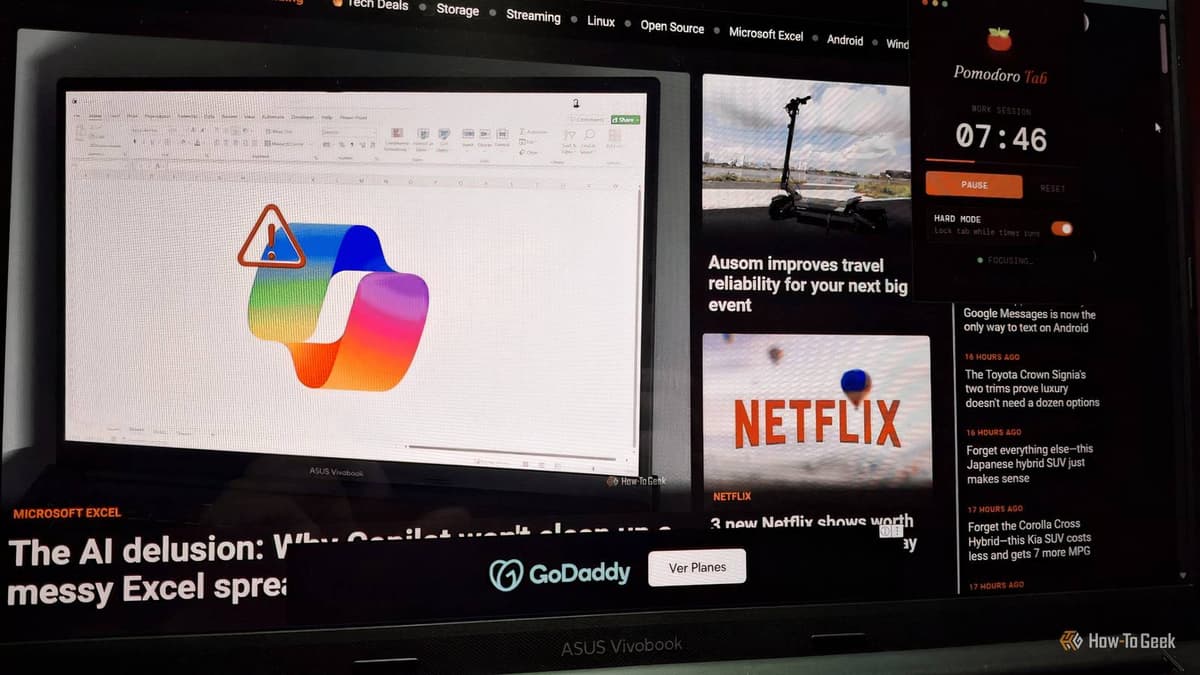
My Dream Google Chrome Extension Didn't Exist, so I Vibe Coded It with Claude
A developer built a Chrome extension called “Pomodoro Tab” that goes beyond a simple timer by adding selectable focus levels and a Hard Mode that locks the active tab during work sessions. The core features—Pomodoro countdown, focus‑level toggle, and tab‑locking...
:max_bytes(150000):strip_icc():format(jpeg)/stressedman-cbf6c8900b954de2b933018b6ae06ae3.jpg)
9 Ways to Cope With Work Stress and Avoid Burnout
The article presents nine actionable tactics for coping with work‑related stress and averting burnout, ranging from a pre‑work ritual and clear daily expectations to organized workspaces, chunking tasks, and music breaks. It highlights the serious health risks of chronic stress,...

The Spiritual Personality Trait Linked To Happiness (M)
Recent research identifies a distinct spiritual personality trait that consistently correlates with higher happiness levels. Individuals scoring high on this trait report greater hopefulness and a more positive appraisal of their life circumstances. The study, conducted by psychologist Dr. Jeremy...

Psychology Says the People Who Thrive in High-Pressure Environments Aren’t the Most Resilient — They’ve Just Built Better Systems for...
The article argues that thriving under pressure isn’t about superhuman resilience but about building systems that signal when to pause. It highlights how high‑performers develop early‑warning cues, schedule strategic recovery, and set firm boundaries to sustain long‑term output. By tracking...

Psychology Says the People Who Go Quiet Around New Faces Aren’t Shy or Socially Anxious, They’re Often the Ones Who...
The article argues that people who stay silent around new acquaintances are not merely shy or socially anxious; they have learned early that sharing information too freely can be risky. This habit, termed "calibration," is a strategic, protective practice rather...

Psychology Says the Adults Who Were Raised with Very Little Affection Don’t Grow up Unable to Love, They Grow up...
Recent psychology research confirms that adults who grew up with minimal affection retain the capacity to love, but their nervous systems struggle to receive it. The lack of early tactile reassurance creates a fearful‑avoidant attachment style, causing push‑pull dynamics in...

Just Like Me, But…
Seth Godin’s May 3, 2026 post questions the common refrain “just like me, but talented.” He argues that attributing success to innate talent lets people avoid responsibility, while framing it as “just like me, but dedicated” opens a path to purposeful effort....

7 Cognitive Biases that Make Smart, Ambitious People Consistently Worse at the Decisions that Matter Most
Smart, ambitious professionals are prone to seven cognitive biases that erode decision quality, from sunk‑cost thinking to overconfidence. Ohio State research shows that highly confident executives are no more accurate than cautious ones, yet they wager larger bets. The article...

How to Show up at Work when Your Life Is Falling Apart
A therapist returns to work two months after her husband’s sudden death, confronting acute stress while needing to meet financial obligations. She shares three mental‑strength tactics that helped her stay functional: scheduling a daily worry window, flipping the script on...

What 40 Years of Showing up to Hard, Physical Work Taught Me About the Mental Habits No Productivity App Will...
A veteran electrician argues that the most effective productivity habits stem from decades of hard, physical work, not from task‑management apps. He describes how early‑morning routines, tactile feedback, and learning from mistakes create an instinctive sense of "done" that no...

‘The Happiest Time of Life Is as You Get Older’: Can Positive Thinking Help You Age Better?
A new longitudinal study of more than 11,000 adults aged 50‑99 found that a positive attitude toward aging is linked to measurable gains in physical and cognitive function. Over a 12‑year follow‑up, 44% of participants improved walking speed and cognition,...
How Video Game Habits Act as a Window Into Cognitive Health
A new study in *Computers in Human Behavior* compared executive functions and implicit sequence learning among non‑gamers, recreational gamers, and individuals at risk for gaming disorder. The at‑risk group showed poorer basic working‑memory performance and higher impulsive error rates, whereas...

The Simple Mental Habit Every High-Performer Shares
In the Inspired with Alexa von Tobel podcast, Alexa discovered that nearly every high‑performing founder repeats a personal mantra during tough moments. The habit isn’t a fluffy pep talk; it’s a deliberate form of positive self‑talk that neuroscientists say rewires...

Are You Using Stress to Grow?
The article explains that individuals' mindset about stress—whether they view it as enhancing or debilitating—directly influences physiological responses, particularly the cortisol‑DHEA balance that underpins health, performance, and aging. Researchers Crum et al. developed the Stress Mindset Measure and demonstrated that a...

The Curative Power of 'This Is Not About You'
The Netflix documentary “Lainey Wilson: Keepin’ Country Cool” reveals how the country star curbed burnout by reframing her performances as service to fans rather than self‑validation. Garber links this shift to a broader antidote for perfectionism, which he describes as...

Tiffany Jenkins Walks Straight Into Her Worst Fears
The documentary *Anxiety Club* follows comedian Tiffany Jenkins as she undergoes exposure‑therapy sessions that are filmed for a candid look at treating anxiety and OCD. Jenkins confronts everyday fears—like letting her children play unsupervised—and documents the gradual reduction of distress...
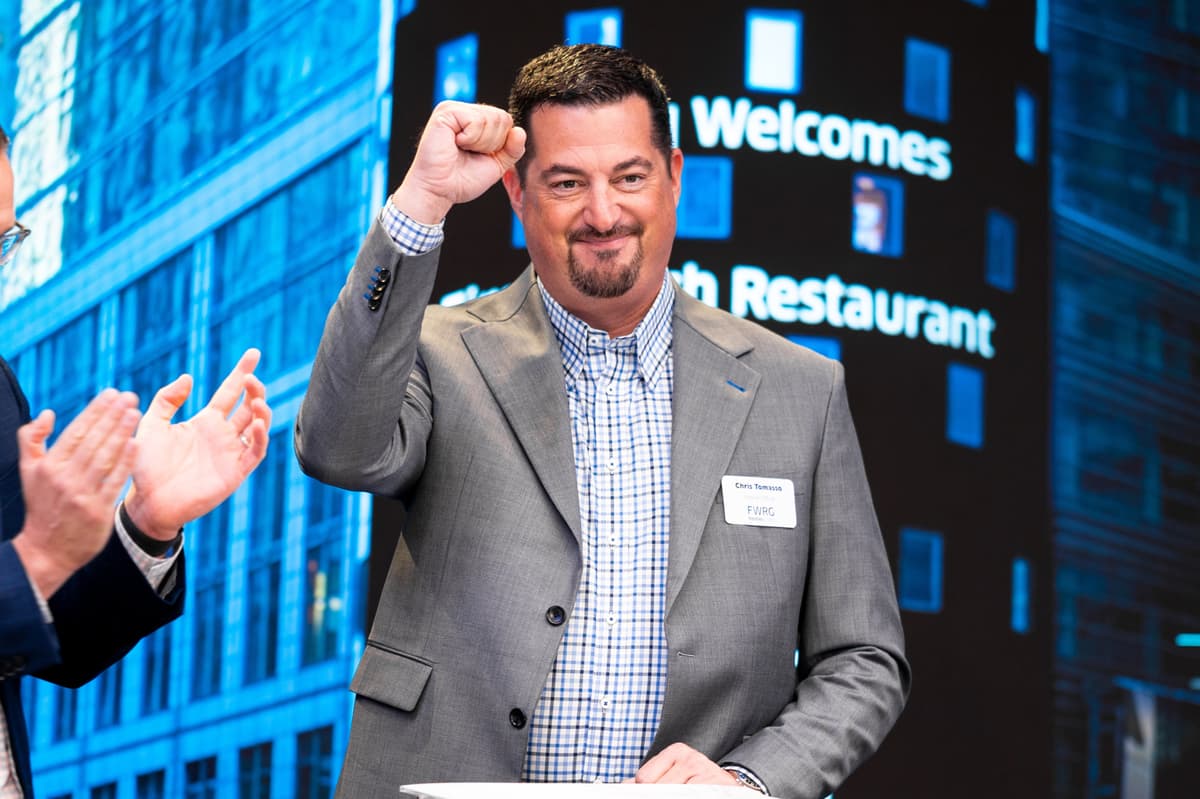
CEO Writes Hundreds of Thank You Notes to Staff and Still Eats in the Break Room—Which ‘Always, for Whatever Reason,...
First Watch CEO Chris Tomasso, who leads a breakfast‑and‑lunch chain with over $1 billion in annual revenue, has made handwritten thank‑you notes a monthly ritual, celebrating staff milestones of 10, 20 or 30 years. He has penned more than 500 notes...

Suze Orman Once Said Earning More than $800,000 Would Make Her ‘Sick to My Stomach’—But that Turning Down Oprah Winfrey...
In the late 1990s Suze Orman rejected a publishing bid that topped $800,000 for her next book, fearing the money would make her uncomfortable. She also turned down an appearance on The Oprah Winfrey Show, insisting the topic didn’t match...

We Sold Our Dream Home in the US to Move Into a Rental Abroad. Our Family Has Less Space, but...
Rebecca Cretella and her husband sold their 2,100‑sq‑ft Connecticut home after five years and relocated their family of four to a 1,345‑sq‑ft rental apartment in Las Rozas, a suburb of Madrid. The move forced them to downsize dramatically, replace custom furnishings...

How to Find Focus When It’s Most Elusive
David Epstein’s recent essay recounts how a medically‑imposed slowdown forced him into monotasking, revealing that limiting physical movement heightened his concentration. The piece argues that true focus stems from deliberately restricting multitasking, not merely choosing the right activity. Epstein’s experience...

Former ALS Learner Returns as Mobile Teacher to Inspire New Generation of Dreamers
Former Alternative Learning System (ALS) student Aldwin Balintec returned to the Philippines as a licensed mobile teacher, using his own experience of illness‑induced dropout to mentor out‑of‑school youth. His journey, alongside fellow graduates Rinda Limkul and Rebecca Simbulan, showcases how...

This Simple Shift Could Make You Feel More Motivated and Satisfied
Scientists at Stanford have shown that the brain releases more dopamine when a reward requires effort, such as baking a cookie from scratch versus buying one. The heightened dopamine response appears to be amplified by acetylcholine, a neurotransmitter linked to...

You’re Not Imagining It: Cookie-Cutter Offices Are Making You Less Productive
The article argues that cookie‑cutter office layouts sap productivity by flattening the physical cues that drive learning and creativity. It draws on neuroscience of proxemics, childhood boundary‑setting, and the human need for spatial novelty to show how uniform spaces limit...

Psychology Says Adults Who Apologize for the State of Their House the Moment Guests Walk in Aren’t Insecure Hosts, They...
Adults often apologize for their home's condition the moment guests arrive, a habit rooted in childhood observation of their mothers. Psychologists describe this as intergenerational transmission of parenting, where the pre‑emptive apology functions as a defensive self‑protection against perceived judgment....

Psychology Says the Adults Who Keep Their Phone Face Down at Every Dinner Aren’t Being Polite, They Grew up Watching...
Adults who place their phones face‑down at dinner are not merely being polite; they are reacting to childhood experiences of being snubbed by a ringing device. The behavior, termed "phubbing," has been linked in a 2025 meta‑analysis to lower relationship...

Hate Your Job, but Can’t Quit? Try This
The article argues that quitting isn’t the only solution to job restlessness, urging workers to align their values, apply grit, and visualize future goals while staying in their current role. Gallup data shows only 30% view the market as favorable...

Psychology Says the Genuinely Strong People Aren’t the Ones Who Power Through What They Can’t Control, They’re the Ones Who...
The article argues that true strength lies in accepting, not battling, uncontrollable discomfort. Psychological research, including a Carnegie Mellon mindfulness study, shows that monitoring and accepting feelings cuts cortisol by more than 50% and systolic blood pressure by about 20%....

Mile Zero: The Leadership Discipline of Starting Over Every Day
Joshua Lifrak frames "Mile Zero" as a leadership discipline that requires starting each day anew, free from yesterday’s mistakes. Drawing on his experience with the Chicago Cubs’ 2016 World Series run, he outlines three core principles—courage, urgency, belief—that enable leaders...
What Most Leaders Get Wrong About Motivation
Most leaders mistakenly treat motivation as a resource they can dispense through bonuses, pep talks, or recognition. The article argues that motivation is intrinsic, emerging only when employees see genuine progress toward goals they care about. It outlines three upstream...