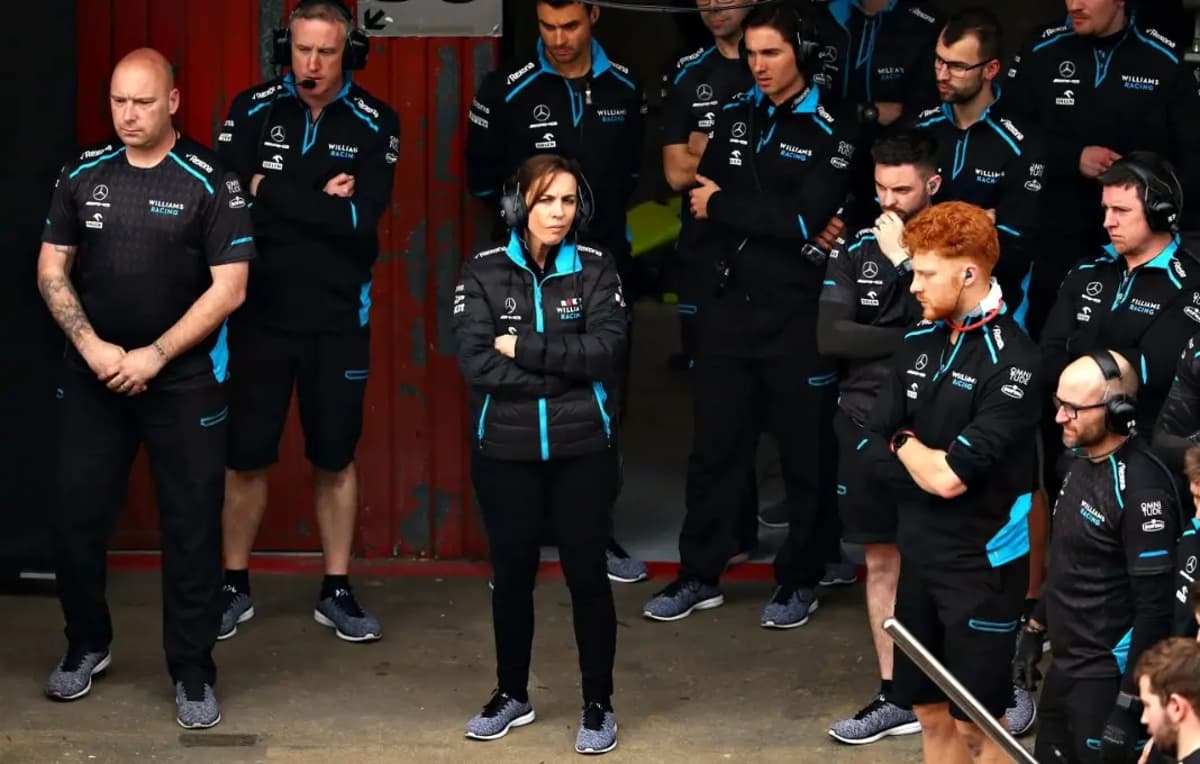
Leading At Race Speed: Lessons From A F1 Team Principal
Why It Matters
Applying F1‑style agility helps executives cut latency in strategy execution, boosting competitiveness in fast‑changing industries. The lessons translate directly into higher revenue growth and talent retention for modern enterprises.
Key Takeaways
- •Rapid, data‑backed decisions beat delayed consensus
- •Empower specialists to own split‑second outcomes
- •Iterate constantly; treat every race as a product launch
- •Maintain clear communication under pressure to avoid costly errors
Pulse Analysis
Formula 1’s pit lane is a masterclass in ultra‑fast decision making, where seconds can determine victory or defeat. Team principals must synthesize telemetry, weather forecasts, and driver feedback in real time, then issue clear commands to a tightly coordinated crew. This relentless pace forces a culture where data is trusted, hierarchies are flattened, and every team member knows their exact role. Business leaders can borrow this framework by building real‑time dashboards, delegating authority to domain experts, and rehearsing rapid response protocols for market shocks.
Innovation in F1 mirrors the product development cycle of tech firms: continuous upgrades, rigorous testing, and swift roll‑outs. The team principal treats each race as a sprint, measuring performance against precise KPIs and iterating on car components after every lap. Translating this to the corporate arena means adopting short, measurable development sprints, celebrating incremental wins, and discarding underperforming initiatives without sentimentality. Companies that embed this mindset can accelerate time‑to‑market, outpace competitors, and sustain a pipeline of breakthrough offerings.
Communication under pressure is the final differentiator. In the high‑stakes environment of a Grand Prix, ambiguous instructions can cost millions; thus, principals enforce concise, jargon‑free briefings and visual cues. Executives should emulate this clarity by standardizing briefings, using visual dashboards, and ensuring that strategic intent is instantly understandable across all levels. When leadership mirrors the precision and speed of an F1 team, organizations become more resilient, adaptable, and poised to capture opportunities in today’s volatile economy.
Leading At Race Speed: Lessons From A F1 Team Principal
Comments
Want to join the conversation?
Loading comments...