
The Founder Focus Tactics That Quietly Change Everything
Founders who consistently outpace competitors rely on systematic focus tactics rather than raw willpower. By batching context switches, adding friction to distractions, and protecting a non‑negotiable deep‑work block, they reclaim 5‑20 hours each week. Additional practices such as a decision journal, calendar gatekeeping, and a focus scoreboard turn attention into a measurable asset. Implementing these seven tactics can compound productivity, delivering faster product releases and stronger fundraising outcomes.

Advanced Teacher Training Module
Breathworks is launching a six‑week Advanced Teacher Training Module starting June 20, 2026, designed to deepen instructors’ expertise in its Mindfulness for Health and Mindfulness for Stress programmes. The fully online course combines weekly live Zoom sessions, self‑study, and a global peer...

People Who Grew up in the 60s or 70s Are Often Praised by Their Adult Children as Having Been “Tough”...
The article examines how the label “tough” was used by 1950s‑70s families to describe children who silently coped with emotionally unavailable adults, not as a sign of true resilience. Adult children now praise their parents’ toughness, unknowingly echoing the same...

Wisdom of the 5AM Club
The 5 AM Club, popularized by Robin Sharma, is gaining traction among top executives like Jeff Bezos, Tim Cook, and Oprah Winfrey. Its core routine— the 20/20/20 formula—splits the first hour into exercise, reflection, and learning to boost dopamine, clarity, and...
Kinds of Fast
The piece explores multiple definitions of "fast" in professional settings, from the raw speed of a drag racer to the sustained endurance of a marathon runner, and extends the metaphor to teams, craftsmen, iterators, and followers. Each type of speed...

WayaWaya Founder Teddy Ogallo Lived a Sheltered Life, Then Had to Rebuild Everything
Teddy Ogallo, founder of Kenyan fintech WayaWaya, grew up in a privileged military barracks before a sudden family hardship sparked his drive to build resilient solutions. He steered the company toward AI‑powered conversational banking on WhatsApp, battling costly gatekeeping by...

Philip Morris International’s Moira Gilchrist Positions Human Judgment as a Critical Leadership Advantage Amid Rapid AI Adoption at Wall Street...
At the Wall Street Journal Future of Everything conference, Philip Morris International’s chief global communications officer Moira Gilchrist argued that human judgment, intuition and creativity have become the most valuable leadership assets as AI adoption accelerates. She framed cognition as a...

I Made My Husband Ill with a Few Words – Nobody Is Immune to the Power of the Nocebo Effect...
The article explains the nocebo effect—negative expectations causing real symptoms—using a personal anecdote and multiple scientific studies. It notes that 76% of reported COVID‑19 vaccine side effects are attributed to nocebo, and cites experiments where harmless interventions produced pain, asthma...

11 Active Listening Exercises for Work & Life
The article outlines eleven practical active‑listening exercises designed to sharpen communication skills at work and in daily life. It explains the origins of active listening, its three core qualities—undivided attention, comprehension, and positive intention—and the measurable benefits such as higher...
55 Famous Failures Who Eventually Achieved Greatness
The article compiles 55 well‑known figures—from authors and artists to tech founders and athletes—who endured notable setbacks before achieving iconic success. It details specific failures such as repeated rejections, bankruptcies, and early career dismissals, illustrating how persistence turned those setbacks...

I Noticed Last Winter that I Have Been Answering ‘How Are You’ with ‘Busy’ for Twenty Years, and Busy Was...
The article argues that the word “busy” has become a social script that signals productivity while deflecting deeper questions about personal fulfillment. Over two decades, this habit replaces genuine self‑assessment, especially as people reach midlife and confront whether their lives...

What’s the Attitude in the Mind?
The article explores how the mind automatically labels experiences as pleasant, unpleasant or neutral and then reacts with holding on, pushing away, or ignoring. It argues that resistance to unpleasant sensations and clinging to pleasant ones generate additional suffering, while...

Why Regret Loses Its Sting as We Age
A new American Psychological Association study published in *Emotion* finds that adults over 60 report fewer recent regrets and experience them with far less anger and frustration than younger adults. While the total count of long‑term regrets stays roughly constant...

When Insight Isn’t Enough: An Interview with Juliana Sloane on Imagination, Hypnotherapy, and Deeper Transformation
Juliana Sloane, a meditation teacher and hypnotherapist, explains why mere insight often fails to shift deeply ingrained habits. She argues that long‑standing neural pathways keep anxiety, self‑criticism, and relationship patterns intact despite conscious awareness. By entering natural trance states and...

Leadership: Be The Leader People Want To Work For
Steve Black argues that effective leadership is rooted in simple fundamentals: doing your job, living your values, and providing clear expectations. He stresses that credibility and consistency, not titles or slogans, earn trust and inspire followership. By modeling behavior, clarifying...
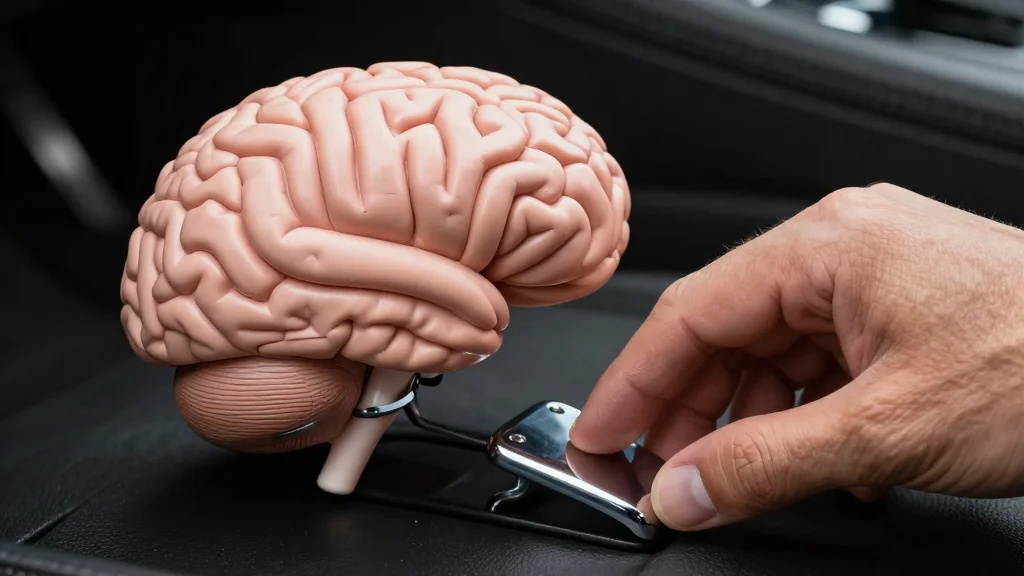
Starting Hard Tasks Isn't Laziness – It's Your Brain Pumping the Brakes
Researchers at Kyoto University identified a neural "motivation brake" linking the ventral striatum and ventral pallidum that suppresses initiation of effortful, aversive tasks. In macaque experiments, disabling this pathway eliminated resistance to high‑effort actions, showing that task hesitancy is driven...

People Who Constantly Research Self-Improvement but Never Start Aren’t Necessarily Lazy – Sometimes They’ve Confused Learning with Changing
The article argues that many self‑improvement enthusiasts mistake extensive research for real change, confusing intellectual understanding with actionable behavior. Readers often accumulate books, frameworks, and insights without translating them into daily habits, creating a comfort zone of learning that feels...

I Grew up in the 1990s and the Thing Nobody Warned Me About Is that the Resilience My Generation Was...
By the mid‑1990s a majority of American children spent afternoons unsupervised, a trend labeled “self‑sufficiency” and later praised as “low maintenance.” The article argues that this label masks a deeper training: the suppression of emotional need and the habit of...

I’m 38 and I Realized Last Weekend that My Dad Has Started Walking Me to My Car when I Leave...
The author, a 38‑year‑old, realized his father has begun escorting him to the car and extending the goodbye by about five seconds, adding a brief comment and a longer wave. This subtle change, unnoticed for 18‑36 months, signals the father’s...

Mothers Are the Quiet Heroes of History
The Daily Stoic highlights the overlooked role of Stoic women, focusing on Domitia Lucilla, mother of Marcus Aurelius, who lived simply despite immense wealth. Lucilla’s humility and virtue contrast sharply with the conspicuous consumption typical of Roman elites, embodying core...

Adopting the Self-Coaching Mindset
Adopting a self‑coaching mindset is presented as a shift from reacting to life’s circumstances toward actively observing, questioning, and guiding one’s own thoughts and actions. The article outlines practical steps—using observational language, embracing responsibility, aligning with personal values, and treating...
Bissett Bullet: Who Is Taking Care of Your Team?
Martin Bissett’s latest Bissett Bullet urges leaders to ask what their team needs to perform at peak levels. He identifies four pillars of employee security—mental, social, physical and financial—and challenges managers to verify each is in place. The piece includes...

The Smart Way to Track Your Work Hours Without Stress or Errors
Accurate work‑hour tracking is becoming essential as remote, freelance, and flexible schedules proliferate. Traditional manual methods often cause errors, lost earnings, and payroll headaches. Free online hour calculators now offer instant, precise results that any device can access. By automating...

Airbnb CEO Brian Chesky Warns Two Types of People Won’t Survive the AI Era: ‘Pure People Managers’ and Workers Who...
Airbnb CEO Brian Chesky told the Invest Like The Best podcast that the two employee profiles most vulnerable in the AI era are pure people managers and workers who refuse to adopt new tools. He argues that managers must become...

Ginja Launches AI-Powered Productivity App That Turns Mental Clutter Into Action and Support Collaboration
Ginja has launched an AI‑powered productivity platform that captures users' scattered thoughts and instantly converts them into structured to‑dos. The app’s flagship "Brain Dump" feature lets users offload ideas without manual formatting, while the AI generates clear next steps and...

SurgeU Reviews: What Students Say After Going Through It
SurgeU, a faith‑based financial education platform, boasts 4.9‑star ratings on Trustpilot and Google, reflecting strong student satisfaction. The program delivers three distinct tracks—Trade Surge, Real Estate Surge, and Business Surge—each blending technical instruction with biblical principles. Reviews highlight high‑quality instructors,...

7 Calendar Plays That Turn Stalled Deals Into Wins
Calendar.com outlines a seven‑play time‑blocking framework to accelerate stalled sales deals. By assigning dedicated blocks for discovery on Monday, proposal creation on Wednesday, objection handling on Friday morning, and other strategic activities, reps create a predictable rhythm that moves prospects...

The Calmest Person in a Crisis Often Becomes the Loneliest One in Ordinary Life, because for some People Being Useful...
The article explains how people who remain calm in crises often learned that role early, using usefulness as a safe way to be noticed. In chaotic families, composure earned approval, turning the behavior into an identity that activates when problems...

New Cangrade Research Uncovers the Top Motivators Driving Gen Z and Millennial Workers
Cangrade released its 2026 research report, analyzing 71,728 Gen Z and Millennial personality assessments from 2025. The study confirms that Comfort, Personal Connection, Excellence and Autonomy remain the top four motivators, each drawing roughly 17‑18 % of respondents, with about 70 % citing...

The Rewards of Repetition
Anthony Guerra, founder of healthsystemCIO, argues that lasting operational excellence stems from tightly documented, repeatable workflows. He draws on Michael Gerber’s "E‑Myth" and the "small‑menu" concept from restaurant management to stress narrowing service scope for mastery. Guerra also highlights that...

Why Effective Leaders Get Branded as Problems
A high‑tech executive, Anna, was labeled as having a blind spot because her decisiveness clashed with a culture of over‑consensus. The article argues that organizations often misdiagnose effective leaders, blaming behavior rather than systemic or contextual factors. It outlines four...

Mentorship and Leadership in Advancing Behavioral Health Equity
Carmen Collado, a veteran nonprofit leader and COO of Community Counseling & Mediation, reflects on a 35‑year career dedicated to behavioral health equity. She highlights a pioneering foster‑care mental‑health pilot that achieved a 99% placement stability rate and was adopted...

How I Do My Weekly Review with ChatGPT Voice (After 15 Years of Doing It the Old Way)
After 15 years of typing weekly reviews, the author switched to using ChatGPT’s voice feature on a mobile device. By feeding the AI a preset list of ten reflective questions, the bot asks each one aloud while the user answers...

Communicating with Confidence When You’re Under Pressure
Harvard Business Review’s "Communicating with Confidence When You’re Under Pressure" highlights how leaders can maintain clear, persuasive communication despite fatigue, stress, or conflicting emotions. Muriel Wilkins emphasizes deep listening, mindfulness, and self‑checking emotional states before delivering messages. The discussion offers...

I’m Unhappily Single. Do I Have to Attend My Friend’s Wedding?
Therapist Lori Gottlieb addresses a reader’s dilemma about attending a friend’s wedding that clashes with a long‑standing concert getaway. The writer feels torn between loyalty to the bride, personal guilt, and the emotional strain of being single at a ceremony....

Creative Ways to Use Calendars for Better Daily Productivity and Focus
Robert Helson’s May 7, 2026 article reframes calendars from simple date‑keepers to active productivity systems. He outlines five tactics—time blocking, scheduling white‑space, color‑coding, using a physical backup, and weekly reviews—to curb task‑switching and stress. The piece cites CDC data showing 30% of...
36 Personal Development Goals Examples for Work and Life
The article lists 36 concrete personal development goals that bridge professional and personal life, ranging from improving emotional intelligence to mastering time‑management and building resilience. Each goal includes practical steps, such as active listening techniques, networking actions, and habit‑forming tips...
‘AI Is Just Amplifying that Weakness’: The Dangers of Having AI Draft Difficult Conversations for You
AI‑generated emails are moving from novelty to routine, with LinkedIn’s CEO reporting daily use for high‑stakes messages and a recent ZeroBounce survey showing 25% of workers rely on AI for drafting or editing emails. While AI can polish tone and...

How to Build Trust at a New Job
Starting a new role often feels like ground zero, and earning colleagues’ trust quickly is essential for long‑term success. The article outlines four practical steps: secure quick wins, listen actively, request help and own mistakes, and prioritize high‑impact work over...
7 Growth Mindset Activities & Exercises That Build Resilience
The article outlines seven practical exercises that help adults cultivate a growth mindset, from taking the first step on a new hobby to maintaining a 21‑day journaling habit. It explains how neuroplasticity proves the brain can keep changing, and it...

Energy Vampires: The Hidden Drain on Leadership Performance
Renée Giarrusso warns that leaders are losing performance to hidden "energy vampires"—people, tasks and environments that sap mental, emotional and physical stamina. She categorises these drains into relationships, situations and personal habits, highlighting unappreciated effort, micromanagement, unrealistic workloads and toxic politics...

Self-Inquiry a "Powerful" Tool for Men's Mental Health and Leadership
Positive psychology specialist Tess Brouwer warns that men’s loneliness is eroding both wellbeing and leadership effectiveness. She cites that leaders are the most isolated workers, struggling to ask for help while expected to have all answers. In Australia, suicide remains...

James Harold Webb on Why Resilience and Systems Are Redefining Sustainable Franchise Leadership
James Harold Webb argues that franchise resilience, not sheer speed of expansion, determines long‑term success. Drawing on his ownership of Scenthound and Orangetheory Fitness, he stresses that repeatable systems, clear leadership standards, and consistent customer experiences are essential across brands...

9 Reasons You Should Write All the Time
Mike’s LinkedIn brief outlines nine compelling reasons to write habitually, from sharpening vocabulary to generating business opportunities. He argues that writing forces ideas into concrete form, reduces stress, and builds discipline that spills over into other professional tasks. The piece...
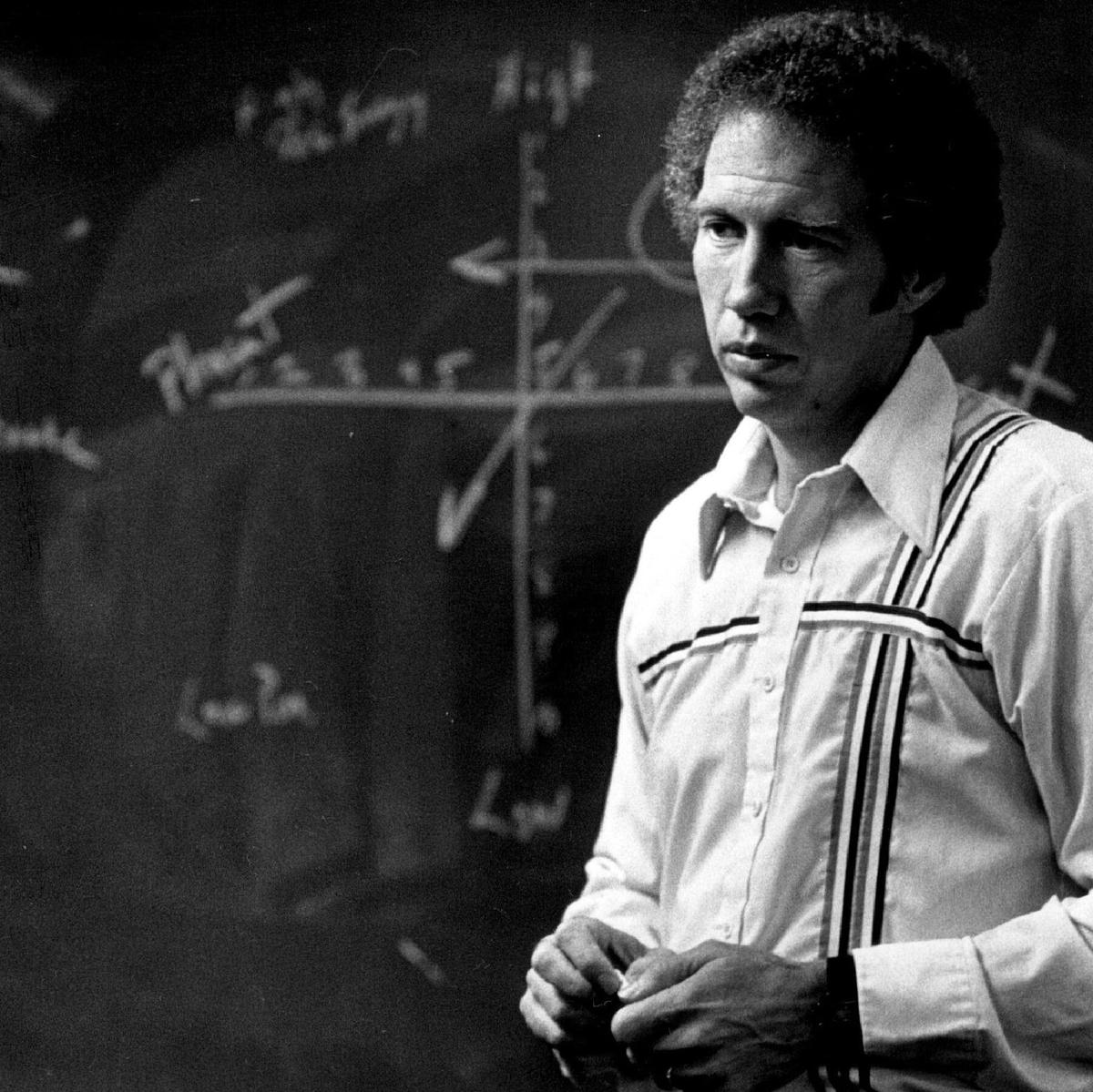
James Loehr, Sports Psychology Pioneer, Dies at 83
James Loehr, a pioneering sports psychologist, died at 83 on April 20 in Golden, Colorado. In the late 1970s he introduced mental‑training concepts to U.S. athletes when the discipline was virtually unknown stateside. Over four decades he coached champions in golf,...

AI Can Make Work More Meaningful
A recent Gallup poll shows AI boosts productivity while employee engagement has slipped to a historic low of 20% for a second consecutive year. CEOs argue that AI’s true value lies in freeing time for work that matters, not merely...
The Meeting That Kills Internal Email (And Why You Should Add It Before Any AI Tool)
A CPA in Austin was drowning in internal emails, prompting a shift from inbox management to structural change. By instituting a 15‑minute daily standup, her team halted most internal questions, slashing email volume by roughly 25 messages per day. Adding...

Beat the Travel Slump: Rituals That Protect Your Week
The article presents seven practical rituals to turn travel weeks from productivity black holes into focused work periods. It starts with a 30‑minute departure‑day audit to map deliverables, then adds a daily 20‑minute shutdown, a core‑hour block, and a 60‑minute...
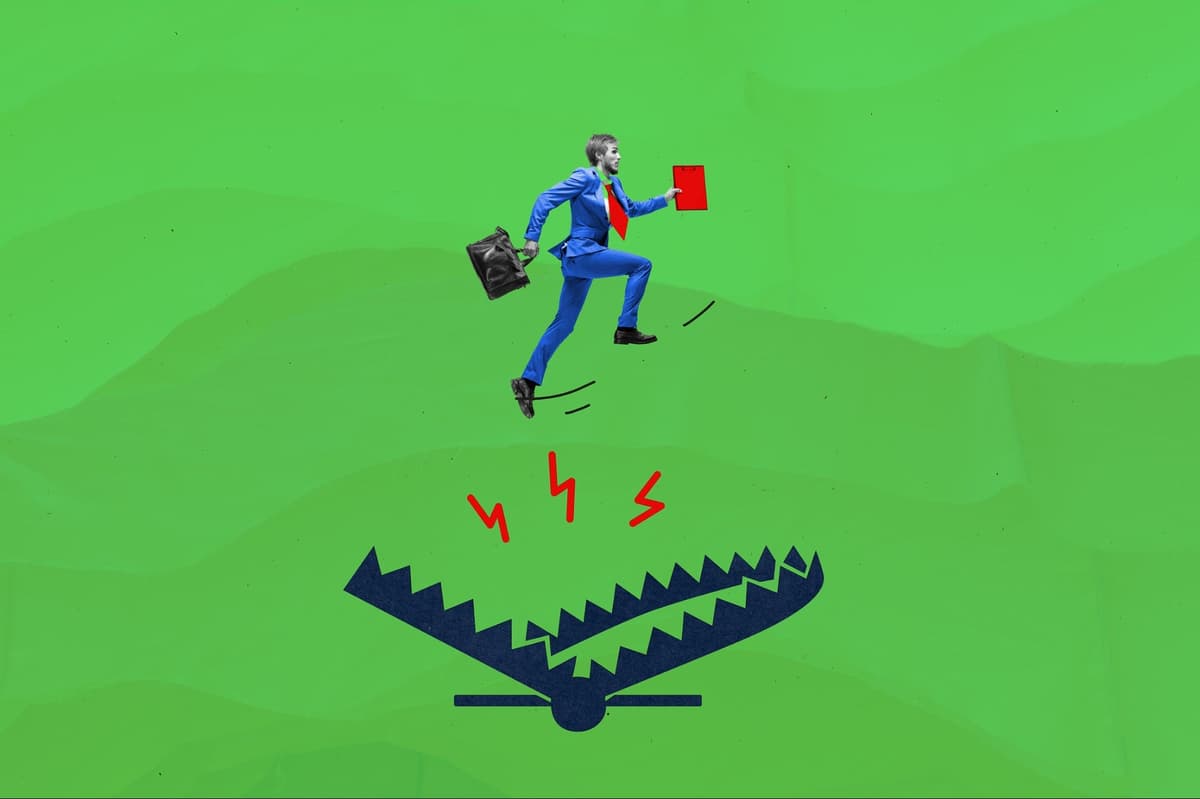
How to Escape the Shiny Object Trap Before It Derails Your Business
The article warns founders that chasing new ideas—often called the shiny object trap—splits attention, bandwidth, capital, and brand clarity. It argues that sustainable growth comes from anchoring every decision to a single, quarterly key metric rather than scattering effort across...

Conversational AI Shows Promise in Easing Symptoms of Anxiety and Depression
A randomized trial of 995 Israeli university students found that a conversational AI mental‑health app, Kai, produced greater reductions in anxiety and depression than traditional face‑to‑face group therapy and a wait‑list control over a 12‑week period. The AI group also...