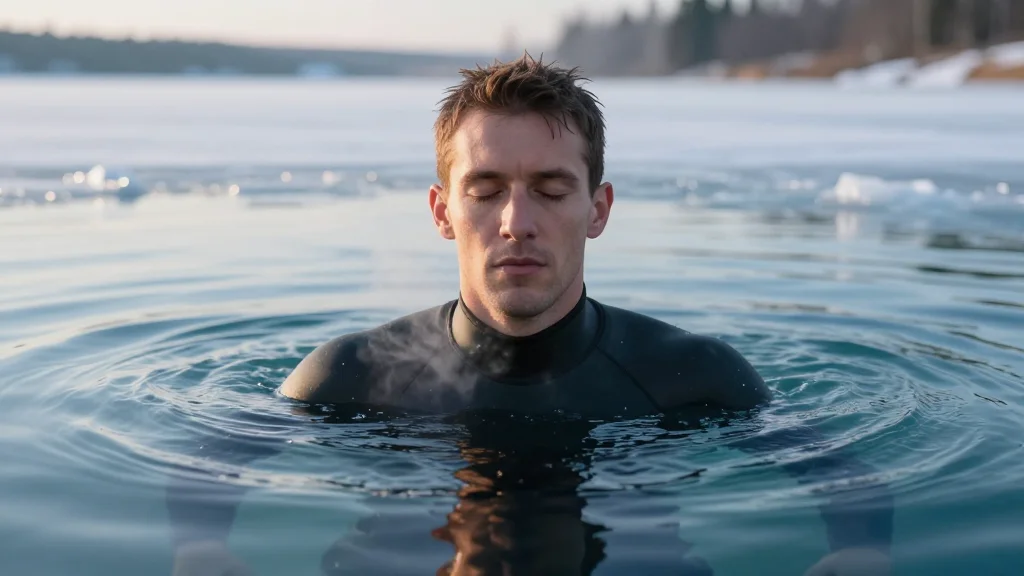
Finnish Cold-Water Swimmers Reveal How Frigid Dips Cure the Modern Rush
Why It Matters
By showing that a brief, extreme physical routine can deliver lasting stress‑relief benefits, the study offers a scalable tool for corporate wellness programs and individuals seeking mental resilience without lengthy retreats.
Key Takeaways
- •Study of 20 Finnish cold-water swimmers published in European Journal of Marketing.
- •Swimmers learn breathing techniques that induce calm before entering icy water.
- •Participants report time perception slowing and reduced daily anxiety after swims.
- •Physical mastery translates to better stress handling at work and home.
- •Findings suggest quick, low‑cost wellness practice for high‑pressure professionals.
Pulse Analysis
Cold‑water swimming has moved from a niche Nordic pastime to a headline‑making wellness trend, and a new European Journal of Marketing study puts empirical weight behind the hype. The researchers interviewed 20 Finnish swimmers, ranging from novices to veterans with three decades of experience, during the winter season to capture fresh recollections. By mapping participants’ step‑by‑step learning—from the initial shock of sub‑zero water to pre‑emptive breathing drills—the study isolates a repeatable physical‑learning loop that reshapes how the brain processes stress.
The physiological cascade begins with an acute shock that forces the body’s survival systems into overdrive, silencing mental chatter. Swimmers quickly adopt rhythmic breathing and focused counting, which override the flight‑or‑fight response and create a state of deliberate stillness. This intentional focus not only dulls the perception of pain but also compresses the subjective experience of time, making a ten‑minute plunge feel like a meditative retreat. For desk‑bound professionals battling constant digital alerts, the ability to trigger such calm on demand offers a powerful antidote to chronic cortisol spikes and decision‑fatigue.
From a business perspective, the study’s implications are compelling. A ten‑minute icy dip costs nothing beyond access to a safe water source, yet it delivers mental reset comparable to multi‑day retreats. Companies could integrate supervised cold‑water sessions into wellness programs, especially in regions with suitable climates, to boost employee resilience and productivity. However, cultural acceptance, safety protocols, and long‑term adherence remain open questions. Future research should test the transferability of these techniques across different populations and explore whether other intense physical practices—such as high‑intensity interval training—produce similar time‑slowing, stress‑mitigation effects.
Finnish cold-water swimmers reveal how frigid dips cure the modern rush
Comments
Want to join the conversation?
Loading comments...