
Mastering Digital Stress: 5 Steps to Stay Focused in a World of Distractions
The article outlines five practical steps to combat digital stress and improve focus amid constant online distractions. It recommends a systematic notification audit, dedicated “focus blocks,” intentional device‑free periods, mindfulness breaks, and leveraging productivity tools that enforce limits. Each step is backed by recent research on attention fatigue and includes actionable tips for busy professionals. By adopting these habits, readers can reclaim mental bandwidth and boost productivity in a hyper‑connected work environment.

Why Adventure Matters in Long Working Lives
The article argues that purposeful adventure—travel, role shifts, or unfamiliar projects—becomes essential for sustaining increasingly long working lives. It draws on the author’s five‑decade career, showing how each adventurous episode reshaped perspective and capability. As careers extend into the 60s,...

The One Change that Worked: I Swapped Doomscrolling for Reading Comic Books
Journalist Joel Harley stopped his nightly doom‑scrolling habit and replaced it with reading comic books. The switch led to faster, more restful sleep, reduced anxiety, and a noticeable boost in creativity at work. He also found himself checking work channels...

How to Find Focus in an Increasingly Distracted World
The article explores how relentless digital distractions erode productivity and presents Cal Newport’s deep‑work framework as a remedy. The author shares personal experiments, such as blocking email for three hours and restricting internet access for two, to reclaim focus. Structured...
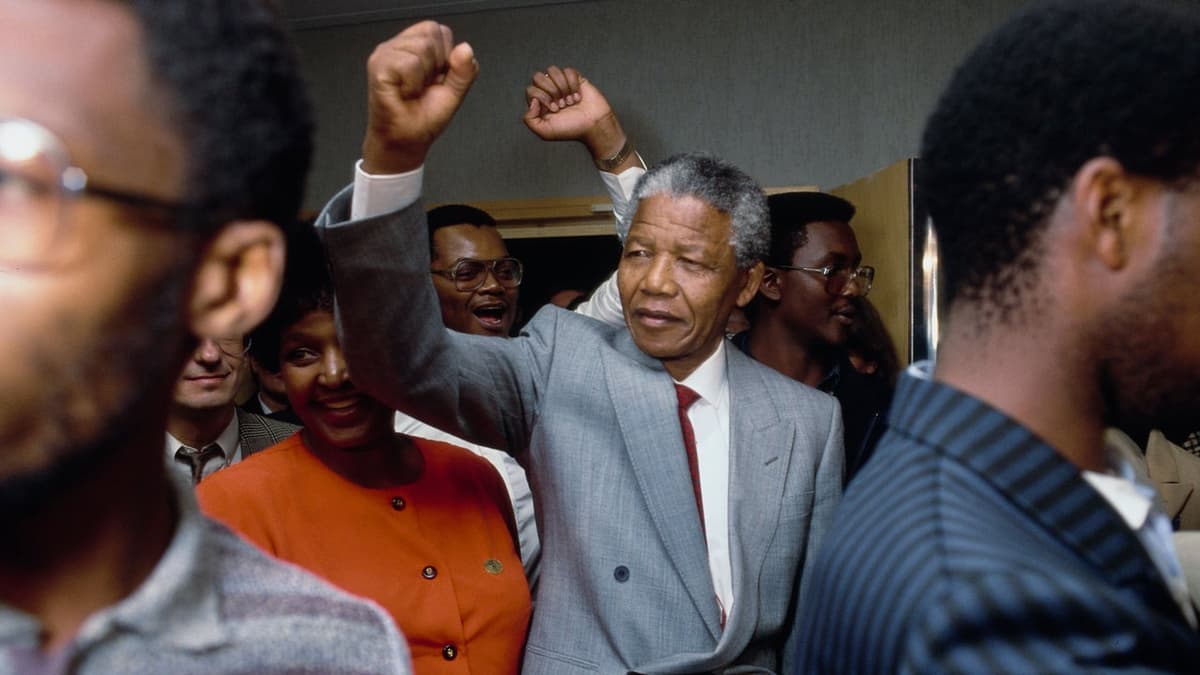
Courage Is Not Hardwired—You Can Build It Like a Muscle. Here’s How
Nelson Mandela famously turned down a conditional release in 1985, choosing to remain in prison rather than abandon the anti‑apartheid struggle. The article uses his decision to illustrate that true courage is not a mystical trait but a deliberate choice...

What Founders Get Wrong About Resilience
Nearly 90% of startups fail, often not from a sudden collapse but from a slow erosion of systems, culture, and leadership during the “long middle” of growth. Founders mistake early momentum for maturity, overlooking the operational complexity that scaling brings....

Psychology Says the Single Biggest Predictor of Happiness Isn’t Income, Relationships, or Health – It’s the Ability to Be Present...
Harvard psychologists Matthew Killingsworth and Daniel Gilbert found that the single biggest predictor of moment‑to‑moment happiness is whether the mind is focused on the present, not income, relationships, or health. Using an iPhone app, they sampled 2,250 people over a...

Pushing Past “Nope, It’s Not Going to Work”
The article warns that perfectionist, all‑or‑nothing mindsets can cripple teams by dismissing new ideas and prompting premature dismissals. It argues executives should resist the reflexive “Nope, it’s not going to work,” instead mediating disputes and encouraging collaboration. Real‑world examples show...

I Did a Dozen Internships, Including 4 Unpaid Ones. It Led Me to Nvidia and a Leadership Role in AI.
Fiona Li, a UC Davis communications graduate, completed over a dozen internships—eight paid and four unpaid—before landing a coveted internship at Nvidia after thirteen applications. The Nvidia stint opened doors to roles at Intel and DocuSign, ultimately leading her to...
Running Away Is Not A Solution
The article argues that fleeing a stressful job or project—often dubbed a “geographic cure”—doesn’t alleviate overwhelm because the underlying stressors travel with you. The author shares personal anecdotes of trying to escape, only to find tasks and burnout intensifying. Instead,...

The Inner Game
Lisa Towles argues that today’s CEOs must go beyond financial metrics and embrace deep self‑reflection. A surge in ethical dismissals, younger first‑time CEOs, and heightened transparency have reshaped the leadership calculus. Studies from PwC, Spencer Stuart and Egon Zehnder show ethics,...
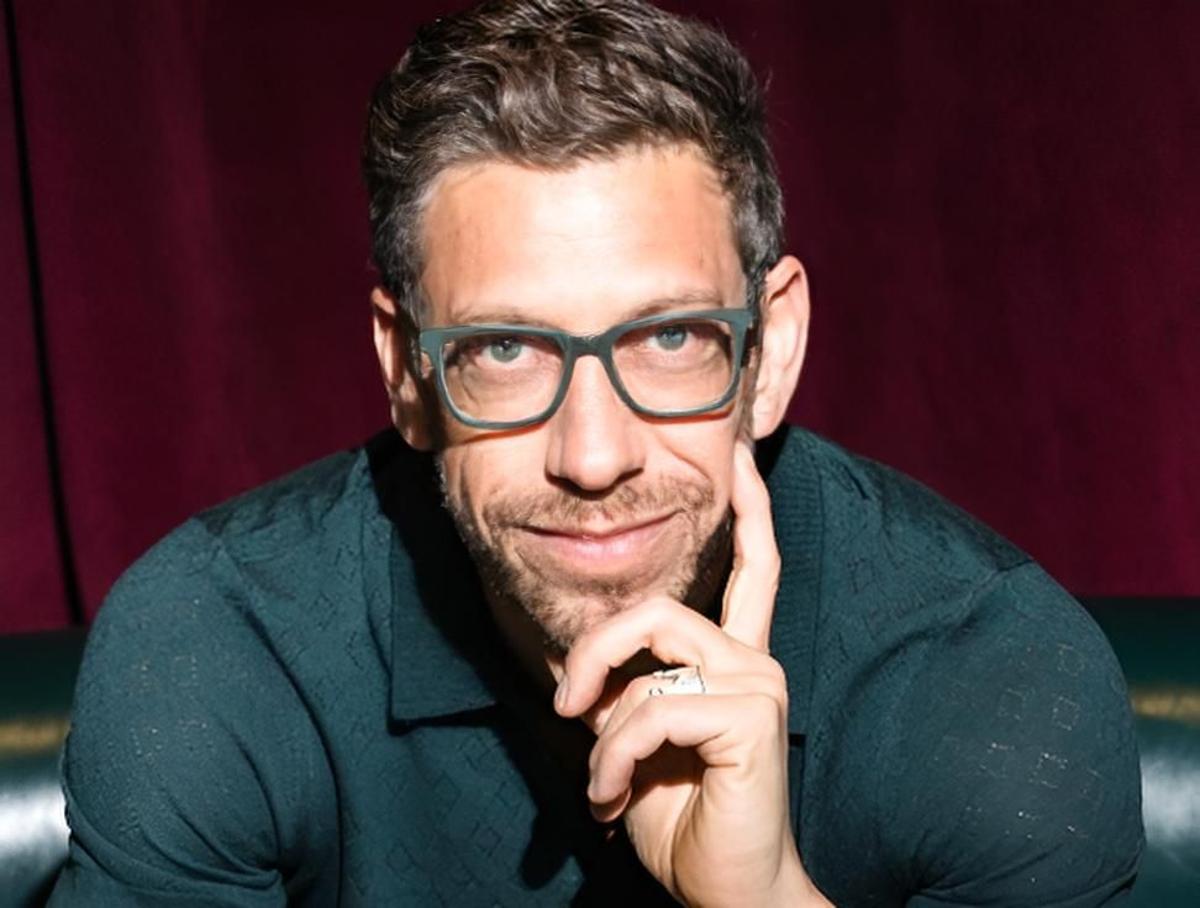
An Interview with Matthew Abrams
Leadership coach Matthew Abrams unveils the five‑step P.E.A.C.E. Process in his upcoming book *Inviting Genius*, releasing August 4. The framework—Pursue Alignment, Extract Facts, Assess Story & Emotions, Compassionately Spar, Express Needs—transforms conflict from a threat into a collaborative engine. Abrams draws...
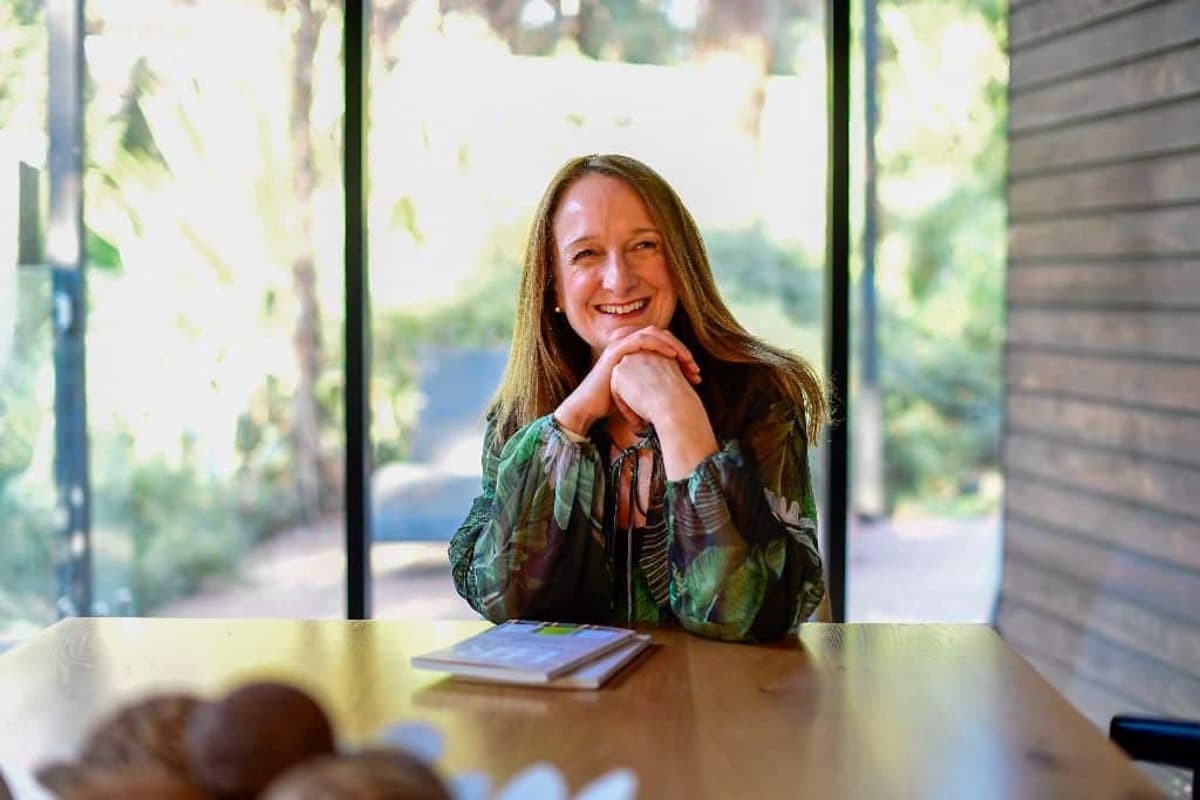
Why Outsourcing Human Judgment Is the Biggest Leadership Risk in the AI Era
Leadership development has long centered on managing people, but AI is turning leaders into overseers of machines. Today AI drafts strategy papers, recommends hires, prioritises customer interactions and flags risks, yet many executives lack visibility into how these systems work....

An Interview with Melissa Dawn Simkins
Melissa Dawn Simkins, founder of Athleadership® and CEO of Velvet Suite®, discusses her new book *Athleadership* in a CEOWORLD interview. The work reframes leadership as a conditioned response, borrowing elite athletic mindset and neuroscience to bridge the gap between external...

Leadership Is About the “And”
Workplaces are increasingly recognized as social ecosystems where leaders must juggle productivity and employee wellbeing. The article argues that effective leadership hinges on mastering the "and"—simultaneously setting high standards while offering genuine empathy and support. Avril Henry’s evolution from a...

Affirmations vs Mindfulness: How They Complement Each Other
Sean Fargo explains that mindfulness and affirmations are not competing practices but complementary tools for mental well‑being. Mindfulness cultivates present‑moment awareness without judgment, while affirmations provide intentional, positive self‑talk that guides the mind. Together they create a feedback loop that...

A Mosaic of Leadership: Adaptability in a World That Won’t Stand Still
Sati Boyajyan argues that adaptability has moved from a peripheral soft skill to a core leadership competency, especially as AI and globalized workforces reshape expectations. She describes leadership as a mosaic built from diverse cultural experiences, emphasizing context‑driven responsiveness over...

Psychology Says the People Who Genuinely Get Better at Life Aren’t the Ones Running the Most Systems or Chasing the...
The article argues that genuine self‑improvement comes from stopping a single, costly habit rather than layering more systems or books. Research published in *Nature* shows people default to adding solutions—a bias called subtraction neglect—while ignoring the simpler option of removal....

Anger Is Often Grief that Didn’t Get Permission to Be Sad First
The article argues that anger is frequently a secondary response that masks grief or sadness that has been denied permission to surface. Neuroscience research shows that suppressing sadness reduces outward cues but leaves the brain’s emotional signal largely unchanged, allowing...

How Principles of Self-Compassion Help Fight Loneliness in the Age of AI
The rise of AI‑driven tools is intensifying a loneliness epidemic, with recent Canadian data showing more than one in ten people feeling chronically isolated. Researchers link heavy digital engagement to heightened anxiety, depression, and a feedback loop of self‑withdrawal. Psychologists...

AI Is Frying Our Brains — Here’s What Leaders Need to Do About It
Recent research shows AI is amplifying, not alleviating, workload, leading to employee burnout. An eight‑month ethnographic study of 200 workers found AI use intensifies effort, while BCG reports a "brain‑fry" effect that increases errors. The cognitive strain stems from limited...

The Surprising Way People Are Healing From Trauma, According To Research
Researchers published in *Traumatology* examined whether lucid dreaming can alleviate PTSD. In a six‑day online workshop, 49 adults with chronic PTSD attempted lucid‑dream techniques; 76% achieved at least one lucid dream and more than half reported a "healing" dream. Participants...

Warren Buffett Once Treated Bill Gates at McDonald's Using Coupons: How Frugal Is His Lifestyle
Billionaire investor Warren Buffett once paid Bill Gates for a McDonald’s lunch using coupons, underscoring his famously frugal habits. He routinely bases his daily breakfast spend—ranging from $2.61 to $3.17—on the market’s mood, a practice he describes in a documentary....

5 Signs You’re Doing Work that Doesn’t Matter
Employees are increasingly burdened by workloads, yet many feel their effort lacks impact. The article outlines five warning signs—unclear outcomes, missing acknowledgment, stalled progress, value conflicts, and stagnant growth—that indicate work isn’t delivering organizational or personal value. It cites research...

Is AI Cannibalizing Human Intelligence? A Neuroscientist's Way to Stop It
Theoretical neuroscientist Vivienne Ming reports that AI‑human hybrid teams can rival or exceed prediction‑market accuracy, but only when humans actively challenge AI outputs. In her Wall Street Journal experiment, pure AI (ChatGPT, Gemini) outperformed unaided humans, yet most hybrids simply...

Adults Who Apologize Constantly Aren’t Polite – They Were Trained to Treat Their Own Presence as Something that Required Ongoing...
The piece argues that chronic over‑apologizing is a learned survival tactic, not simple politeness. It traces the behavior to childhood emotional neglect and the “fawn response,” where apologizing defused danger. Research links the habit to anxiety, diminished self‑worth, and reduced...

Confidence Isn’t the Absence of Doubt. It’s the Willingness to Act Before the Doubt Finishes Its Sentence.
The article reframes confidence as the willingness to act while doubt is still speaking, rather than waiting for certainty. It draws on decision‑science research that shows people set internal evidence thresholds, with low thresholds prompting quicker action and faster learning....

Your Instinctual Drive Predicts What You Find Beautiful
A 2025 University of Oklahoma study linked people’s dominant motivational drives to their aesthetic preferences with 77.6% accuracy. Security‑oriented participants chose sensual, tactile visuals 98% of the time, while intensity‑oriented respondents favored high‑contrast, magnetic designs. The research combined three primal...

Why some People Feel a Specific Kind of Sadness on Sunday Afternoons that Has Nothing to Do with Monday and...
Sunday afternoon sadness is a widely reported mood dip that occurs in the late‑afternoon, regardless of employment status or age. Researchers argue it stems from childhood weekend routines, when the day’s structure faded and emotional cues like dimming light and...
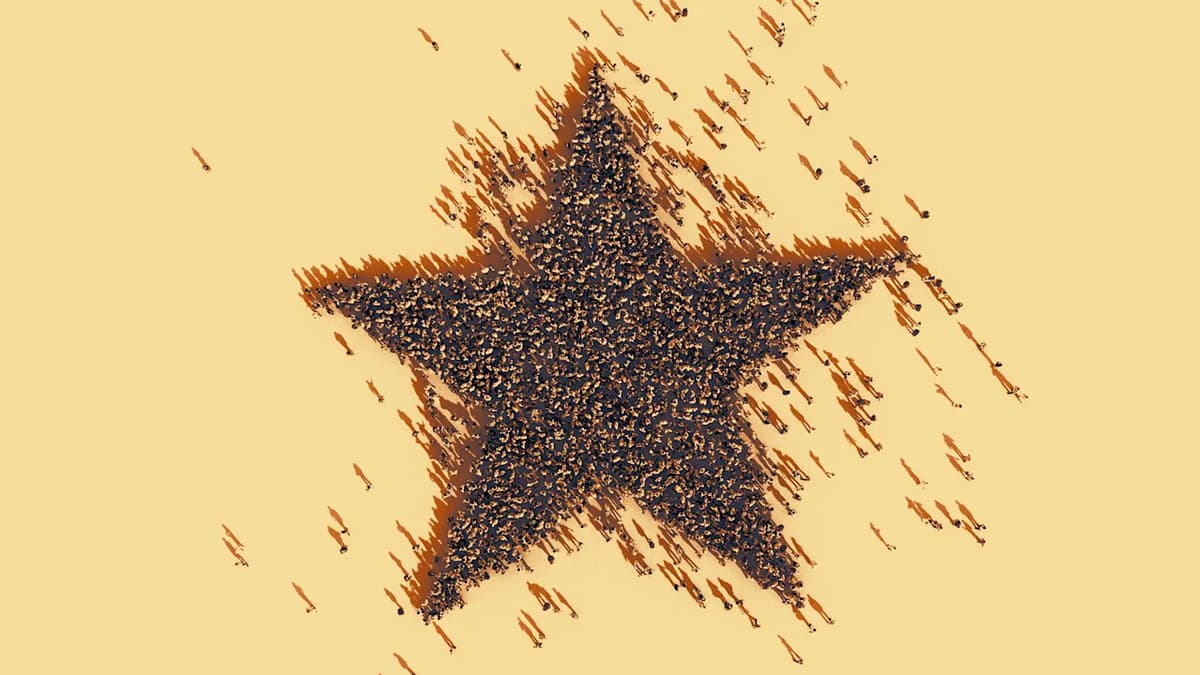
Want to Stand Out at Work? Stop Trying to Be a Star
The article argues that the prevailing culture of individual "superstars" undermines team performance. Research from McKinsey, Google’s Project Aristotle, and a large‑scale university study shows that trust, listening, and social interaction matter more than personal accolades. The author, drawing on...

The Power of Positive Choices and Taking Control
Ragnar Purje’s article argues that every internet interaction starts with a conscious act—turning a device on—and that users alone control what they watch, read, or listen to. While billions of people access online content daily, the material presented by others...

These UC Berkeley Students Are Leading the Fight Against Phones
UC Berkeley students hosted a phone‑free party organized by Project Reboot, encouraging attendees to seal their devices in bags and engage in offline activities. The event featured music, games, and signage urging participants to reclaim their attention. A campus survey...

Speed Vs. Depth: How Does Using AI for Work Affect Our Confidence?
A peer‑reviewed American Psychological Association study of nearly 2,000 adults found that heavy reliance on AI tools for workplace tasks correlates with reduced confidence in independent reasoning and lower ownership of the output. Participants who made few edits to AI‑generated...
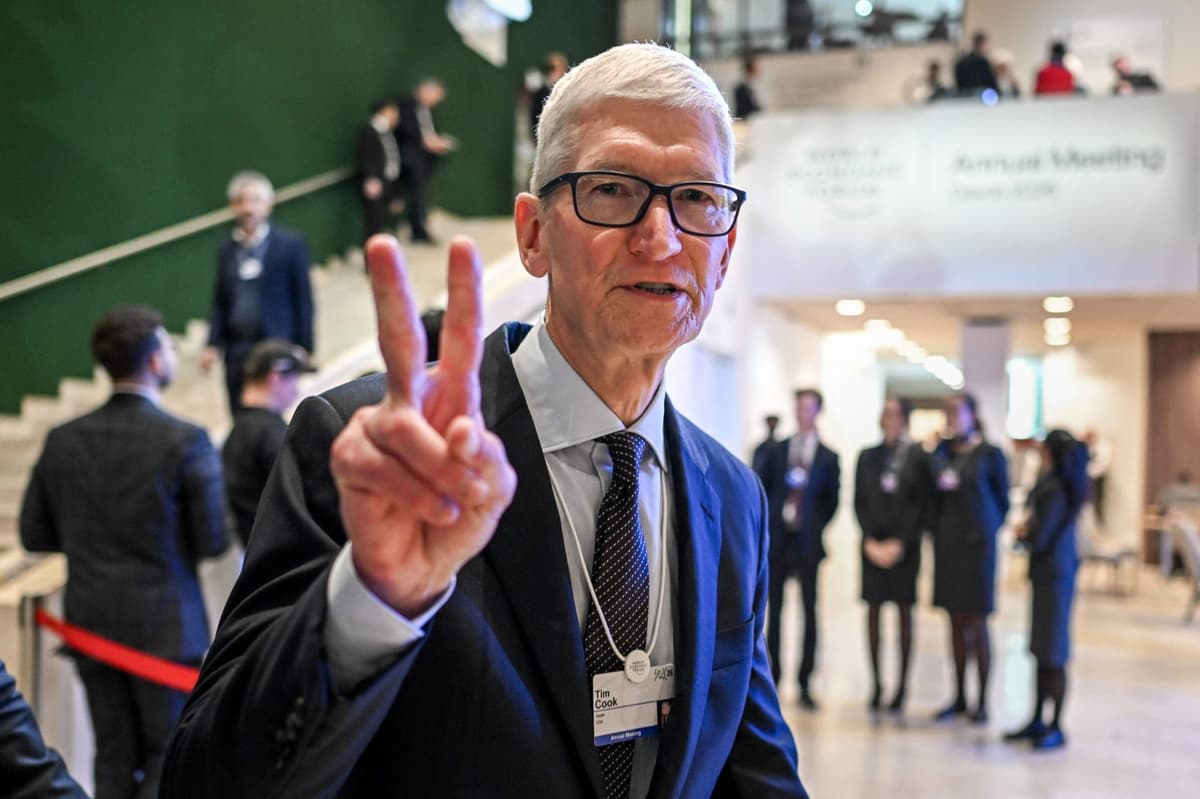
Tim Cook Built Apple Into a $4 Trillion Company. Then His Greatest Strength Became His Biggest Liability
Tim Cook transformed Apple from a $350 billion company into a $4 trillion market‑cap giant, expanding revenue from $108 billion to over $416 billion. His operator mindset—supply‑chain mastery, services expansion, and privacy‑first branding—defined the era and propelled the firm to industry dominance. As artificial‑intelligence...

Tools for Advancing Your Practice
Breathworks is launching a six‑week online mindfulness program called "Going Deeper" from 11 May to 22 June. The course blends one‑to‑one mentorship, three live Zoom sessions, and self‑study, requiring roughly 4‑5 hours per week. Pricing is £308 ($391) for individuals, £250 ($318) for...

Best Apps for Focus (2026): Focus Friend, Forest, Focus Traveller
Wired reviews three leading focus‑timer apps—Focus Friend, Forest, and Focus Traveller—highlighting their gamified approaches to keeping users on task. Focus Friend offers a whimsical bean avatar that knits while you work, with a $2‑per‑month Pro tier for extra decorations. Forest...

Here’s How to Learn From Failure—Without Being Consumed by It
The piece explains how failure triggers an emotional hijack that silences the pre‑frontal cortex, preventing insight. It introduces the FREE framework—Focus, Reflect, Explore, Engage—rooted in the Japanese hansei tradition to turn setbacks into structured learning. Each step offers concrete tactics...
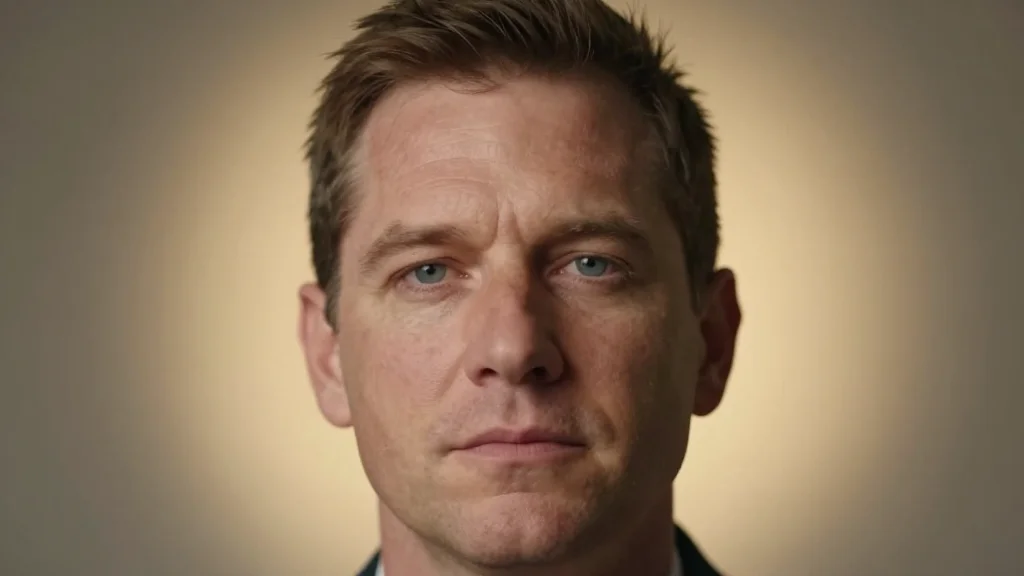
New Psychology Research Reveals Your Face Might Determine How Easily People Remember Your Name
A new study in the Journal of Experimental Psychology shows that highly memorable faces significantly improve recall of associated names, while equally memorable scene photographs do not. Researchers paired 120 face images—half deemed memorable, half forgettable—with common first names and...

Physician, Heal Thyself
The New York Zen Center for Contemplative Care’s year‑long Contemplative Medicine Fellowship blends Zen Buddhist teachings with clinical training to address the U.S. health‑care workforce crisis. Peer‑reviewed studies of the 2021‑2024 cohorts show statistically significant reductions in emotional exhaustion, depersonalization,...

The Hidden Guilt of Solo Entrepreneurship
Longtime solo entrepreneur describes the persistent guilt of not meeting self‑set milestones. The feeling, while sometimes motivating, can become a distraction that erodes confidence and productivity. The author outlines a four‑step method—naming, changing, reframing, and offsetting—to manage guilt. Applying these...

The 4 Money Scripts We Learn in Childhood (Which One Is Silently Threatening Your Retirement?)
The article explains that "money scripts"—deep‑seated beliefs about money formed in childhood—shape every financial decision, especially retirement planning. It outlines four primary scripts: avoidance, worship, status, and vigilance, describing how each can derail a retiree’s goals. The piece offers concrete...

Caitlin Clark, Simone Biles and Ilia Malinin All Do 1 Thing That Every Great Leader Does Too
Caitlin Clark returned to the Indiana Fever after a season‑long injury, emphasizing that leadership means supporting teammates when you can’t play. Simone Biles withdrew from the Tokyo team gymnastics event to protect her mental health, yet she rallied her teammates to...

People With 3 Key Needs Met Are More Likely to Drink Responsibly
Researchers at the University of Georgia examined three psychological needs—autonomy, competence and connection—and found they significantly boost responsible drinking. Across three studies involving over 3,000 college students and 1,700 adults, participants who felt these needs were met drank less, paced...

This CEO Lived on Canned Soup and Took Just Two Days Off for His Daughter’s Birth. Now He Admits He...
Serial entrepreneur Ron Schneidermann built Liftopia into a $60 million business while living on canned soup and forgoing a salary for two years. He later led AllTrails and now serves as CEO of test‑prep startup Acely, where he has replaced traditional...

Dyslexic Thinking Made Me the Scientist I Am Today. If We Could Harness Its Power, Imagine What Could Be Possible...
Maggie Aderin, a space scientist, reflects on how dyslexia shaped her thinking and career, describing it as a source of creativity, empathy, and systems‑level insight. She argues that dyslexia is often framed only as a deficit, overlooking the unique strengths...

PVL MVP Vanie Gandler Proves Hard Work Fuels Rise to Top
Vanie Gandler, a 25‑year‑old spiker, captured her first Premier Volleyball League MVP award after propelling the Cignal HD Spikers to the All‑Filipino Conference finals, amassing 209 points across the season. She delivered a triple‑double in Game 2 of the finals despite...

The New Growth Engine CEOs Can’t Afford to Ignore
Leo Bottary and Nico Lawrence are launching a scalable peer‑performance ecosystem that brings the trusted, candid dynamics of CEO peer forums to every level of an organization. The platform creates structured small‑group environments where employees tackle real business challenges, receive...

Performing when There’s Nowhere to Hide – UFC Insights From Dr. Duncan French
Dr. Duncan French, head of the UFC Performance Institute, argues that the octagon is a stark leadership laboratory where pressure strips away pretense and reveals true habits. He built a performance system for roughly 750 fighters that prioritizes adaptable guardrails...
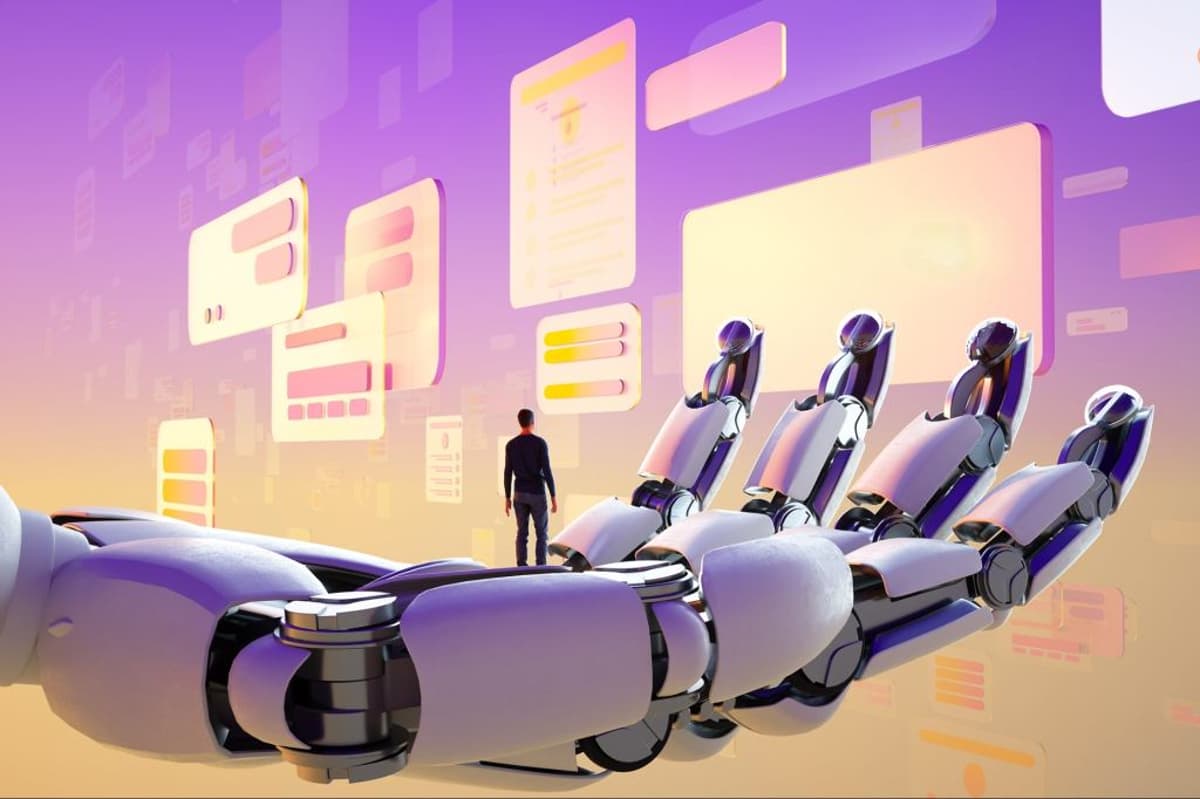
The AI Playbook That Built an $80M 1-Person Business (You’re 1 Prompt Away and Don’t Know It)
A solo founder built an AI platform that sold for roughly $80 million in under six months, demonstrating how a one‑person operation can achieve an eight‑figure exit. The story underscores that the biggest AI wins come from eliminating barriers that keep...

How Does Forgiveness Benefit People Around the World?
Harvard’s Human Flourishing Program surveyed over 200,000 adults in 22 nations, tracking forgiveness habits and 56 well‑being indicators a year later. The analysis found that regular, dispositional forgiveness is associated with modest gains in psychological health, happiness, and prosocial traits...