
PVL MVP Vanie Gandler Proves Hard Work Fuels Rise to Top
Vanie Gandler, a 25‑year‑old spiker, captured her first Premier Volleyball League MVP award after propelling the Cignal HD Spikers to the All‑Filipino Conference finals, amassing 209 points across the season. She delivered a triple‑double in Game 2 of the finals despite a loss, and has already collected three bronze and three silver medals since turning professional in 2023. Gandler’s breakout performance underscores the power of perseverance and positions her as a rising star for both her club and the Philippines women’s national team.

The New Growth Engine CEOs Can’t Afford to Ignore
Leo Bottary and Nico Lawrence are launching a scalable peer‑performance ecosystem that brings the trusted, candid dynamics of CEO peer forums to every level of an organization. The platform creates structured small‑group environments where employees tackle real business challenges, receive...

Performing when There’s Nowhere to Hide – UFC Insights From Dr. Duncan French
Dr. Duncan French, head of the UFC Performance Institute, argues that the octagon is a stark leadership laboratory where pressure strips away pretense and reveals true habits. He built a performance system for roughly 750 fighters that prioritizes adaptable guardrails...

The AI Playbook That Built an $80M 1-Person Business (You’re 1 Prompt Away and Don’t Know It)
A solo founder built an AI platform that sold for roughly $80 million in under six months, demonstrating how a one‑person operation can achieve an eight‑figure exit. The story underscores that the biggest AI wins come from eliminating barriers that keep...

How Does Forgiveness Benefit People Around the World?
Harvard’s Human Flourishing Program surveyed over 200,000 adults in 22 nations, tracking forgiveness habits and 56 well‑being indicators a year later. The analysis found that regular, dispositional forgiveness is associated with modest gains in psychological health, happiness, and prosocial traits...

Barbara Corcoran Shares the Number One Reason She Fires People
Shark Tank star Barbara Corcoran says she fires employees with a bad attitude immediately, often on Fridays. She believes skills can be taught, but a negative mindset contaminates team culture. Corcoran’s brief firing script focuses on fit, not detailed critique,...

Is Exercise as Effective as Treatments for Depression and Anxiety?
Two large meta‑analyses released in early 2026 find that regular exercise is roughly as effective as psychotherapy and antidepressant medication in alleviating symptoms of depression and anxiety. The studies, which pooled data from thousands of participants, showed comparable reductions in...
:max_bytes(150000):strip_icc():format(jpeg)/488337293-56a792625f9b58b7d0ebca95.jpg)
10 Tips for Leading Like a Boss
The article outlines ten practical steps for adopting a transformational leadership style, emphasizing enthusiasm, creativity, and recognition. It advises leaders to assess their current style, serve as role models, and communicate a clear vision. The guide also stresses the importance...
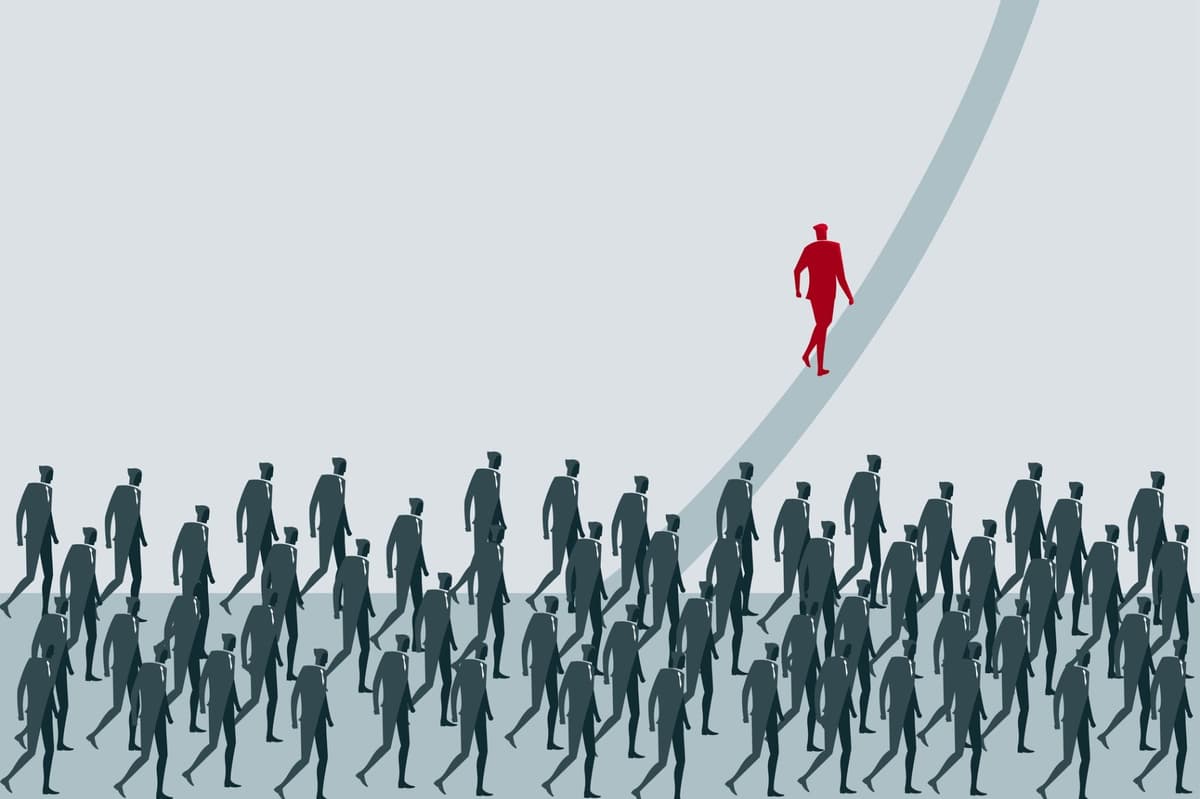
Are You an Escapist Leader Ignoring What Your Team Needs Most?
The article contrasts escapist leadership—where managers avoid uncomfortable issues—with empathetic leadership that prioritizes listening and psychological safety. Citing a Conference Board survey showing record job‑search anxiety and long unemployment spells, it argues that today’s workforce seeks purpose, not just a...

What Happens When You Schedule Around Energy Instead of Time
Energy‑based scheduling flips traditional time‑boxing by aligning work with personal energy cycles. The article guides readers to track their energy over a week, reserve peak periods for deep, solo work, and use secondary peaks for collaborative activities while relegating low‑energy...

Canadian Bar Association to Explore Grief Literacy, Mindfulness This Mental Health Week
The Canadian Bar Association is rolling out a week‑long Mental Health Week program from May 4‑8, featuring workshops on grief literacy, mindfulness, AI’s impact on well‑being, and menopause in the legal field. Partnering with the Alberta Lawyer Assistance Society, the CBA...

7 Good Things that Happen in Life When You Let Go of Control
The article argues that relinquishing the urge to control people and outcomes unlocks deeper connections, inner peace, and unexpected opportunities. By accepting friends, colleagues, and circumstances as they are, readers can experience more authentic love, reduced misunderstandings, and greater mental...

The Founder Slump: What to Do when the Spark Has Gone
Founder fatigue is rising as entrepreneurs grapple with uncertainty, personal loss, and relentless pressure. The author shares a personal pivot from a secure role to founding Up2Eleven, a leadership‑development consultancy, to regain purpose. The piece identifies three depletion drivers—environment, internal...

Gen Alpha Can’t Write Emails to Grandma without ChatGPT. It’s Time for a ‘Digital Harm Tax’
A commentary in Fortune argues that today’s teens rely on AI tools like ChatGPT to the point they cannot compose basic messages without them, highlighting a broader crisis of digital dependency. The author proposes a “Digital Harm Tax” modeled on...

How to Let Go of Grudges— And Why It Could Be Good for Your Health
A new NPJ Mental Health Research study finds a correlation between the ability to let go of grudges and better long‑term emotional and social health. The research, led by Everett Worthington Jr. of Virginia Commonwealth University, expands on decades of...

When Your AI Actually Works, It Feels Like the Wifi Is Broken
CPA Amanda in Austin adopted a Lindy‑built AI inbox manager that automatically categorizes, routes, and schedules emails, eliminating constant inbox interruptions. In her first week she reclaimed three uninterrupted hours of deep tax‑return work during peak season. The time saved...

Kriti Sanon Opens up on Success Formula: “It’s Always a Combination of Hard Work, Talent and Destiny”
Bollywood star Kriti Sanon says success stems from a blend of hard work, talent, destiny, timing and courage, stressing the need to recognize and act on opportunities. She highlights risk‑taking as essential alongside preparation. The actress is now gearing up...

How to Make Purpose Part of Your Firm’s Working Day.
Accounting firms are urged to embed purpose into daily workflows, using a simple “Purpose Brief” at project kickoff. Research cited shows purpose‑driven firms enjoy 20‑30% higher engagement, a 21% profit uplift and 59% lower turnover, while disengagement can shave $22,800...

On Grace, Melancholy, and Taking Over Our Narratives
Lauren Groff’s new short‑story collection *Brawler* delves into generational trauma, melancholy, and the Buddhist concept of bardo, framing life’s impermanence as a creative portal. In the interview she explains how her Florida bookstore The Lynx, which displays banned titles, serves...

5 Powerful Quotes From Do Epic Shit by Ankur Warikoo
Ankur Warikoo’s new book *Do Epic Shit* distills his no‑fluff philosophy into five memorable quotes that target young professionals seeking realistic guidance. The author argues that courage, daily habits, embracing failure, shedding over‑thinking, and valuing time are the true drivers...

Courage Vs. Excuses
The piece argues that "AI" has become a convenient excuse for short‑term cost cuts, while true courage means embracing risk and purpose‑driven work. It highlights open‑source development as a concrete example of courageous strategy that builds resilience and stronger user...

10 Social Habits We Should All Quit Before Our Relationships Get Any Harder
The article outlines ten common social habits—such as silent treatment, attention‑seeking complaints, character attacks, multitasking, and withholding truth—that sabotage both intimate and platonic relationships. Drawing on 15 years of coaching experience with hundreds of clients, the authors argue that these...

Hit a Glitch in Your Research? Some ‘Night Science’ Thinking Could Move It Forward
Nature Careers’ "Creativity in Science" podcast features Itai Yanana and Martin Lercher introducing the "night science" concept – a creative, abstract mindset that complements the methodical "day science" approach. They describe how stepping back, using metaphors, and embracing outlier data...

The Secret to Having a Good Vibe (That Others Can't Resist)
Researchers Emma Seppälä and Cendri Hutcherson showed that a brief, seven‑minute loving‑kindness meditation can measurably increase social connection. In two studies—a behavioral experiment and a neuroimaging trial—participants reported feeling more connected to strangers and exhibited heightened activity in brain networks tied to...

Mastering ‘No’: Essential Advice for New Scientists
The article offers new scientists practical guidance on mastering the art of saying “no” to low‑impact projects, emphasizing how selective focus drives career growth. It illustrates the point with recent breakthroughs—from NIH’s historic research legacy to WPI’s heart‑valve study, Rice’s...

Why Our Dreams Are So Stressful
Recent analysis of dream research highlights two competing theories on why stressful dreams occur. The continuity theory views dreams as a passive reflection of waking emotions, while the emotion‑regulation theory argues that dreams actively process and alleviate emotional stress. Empirical...

Feeling Overstimulated? This 14-Minute Yoga Practice Will Get You Out of Your Head.
A 14‑minute yoga routine designed to calm overstimulation blends breathwork with a progressive series of restorative and balancing poses. Starting with Constructive Rest and moving through dynamic flows like Warrior 3 and Half Moon, the sequence uses a simple prop to...

NGA Foundation ELDP – Leadership For A Changing Grocery Industry
The National Grocers Association Foundation’s Executive Leadership Development Program (ELDP) launches May 31‑June 4 at Cornell, sponsored by PepsiCo. Targeting rising leaders in independent grocery, the immersive five‑day curriculum blends academic theory with industry expertise. Participants receive a 360‑degree leadership assessment and...

Ambition Is Quieter than People Think. It Rarely Looks Like Hunger. Most Days It Looks Like a Person Who Can’t...
The article argues that modern ambition is no longer the loud hustle image but a quiet, internalized drive that punishes any moment of rest with guilt. It links this hidden ambition to perfectionism, describing a “high‑functioning burnout” where people appear...

5 Daily CEO Behaviors That Decide Whether Your Firm’s Culture Survives
A Bloomberg investigation exposed co‑CEO Matt Kaplan’s abusive behavior, prompting a wave of executive self‑reflection as Google searches for culture improvement rose over 300%. Tony O’Sullivan, CEO of RETN, argues that culture hinges on CEOs’ daily choices rather than formal...

Psychology Says the Reason Older People Stop Caring Isn’t Apathy – Its Actually the Highest Form of Self Awareness
Stanford psychologist Laura Carstensen’s Socioemotional Selectivity Theory shows that as people perceive their time as limited, they shift from pursuing new achievements to prioritizing emotional meaning. Older adults deliberately narrow social circles, focusing on relationships that provide genuine warmth, which...

This Energizing Breathing Technique Can Replace Your Morning Coffee. Seriously.
A personal experiment at a Sedona resort revealed that the Kundalini breathing technique known as Breath of Fire (Kapalbhati) can deliver a caffeine‑like energy boost. After a three‑minute session, the author felt heightened alertness, optimism, and sustained stamina during a...

The People Who Struggle to Make Decisions Weren’t Born Indecisive. They Grew up in Houses Where the Wrong Choice Had...
The article argues that indecision is a learned response to overcontrolling or unpredictable parenting, not an innate personality trait. Research from Charles Sturt University shows childhood trauma rewires the brain for hyper‑vigilance, while a 2025 Frontiers in Education study links...

Your Calendar Is Leaking—Fix It With 4 Blocks
Calendar.com proposes a "4‑block day" to stop calendar leaks and protect maker time. The schedule splits the workday into deep‑work (8 a.m.–noon), a 90‑minute meeting window (noon–1:30 p.m.), an admin block (1:30–3:30 p.m.) and a learning/reflective slot (3:30–5 p.m.). By assigning each activity its...
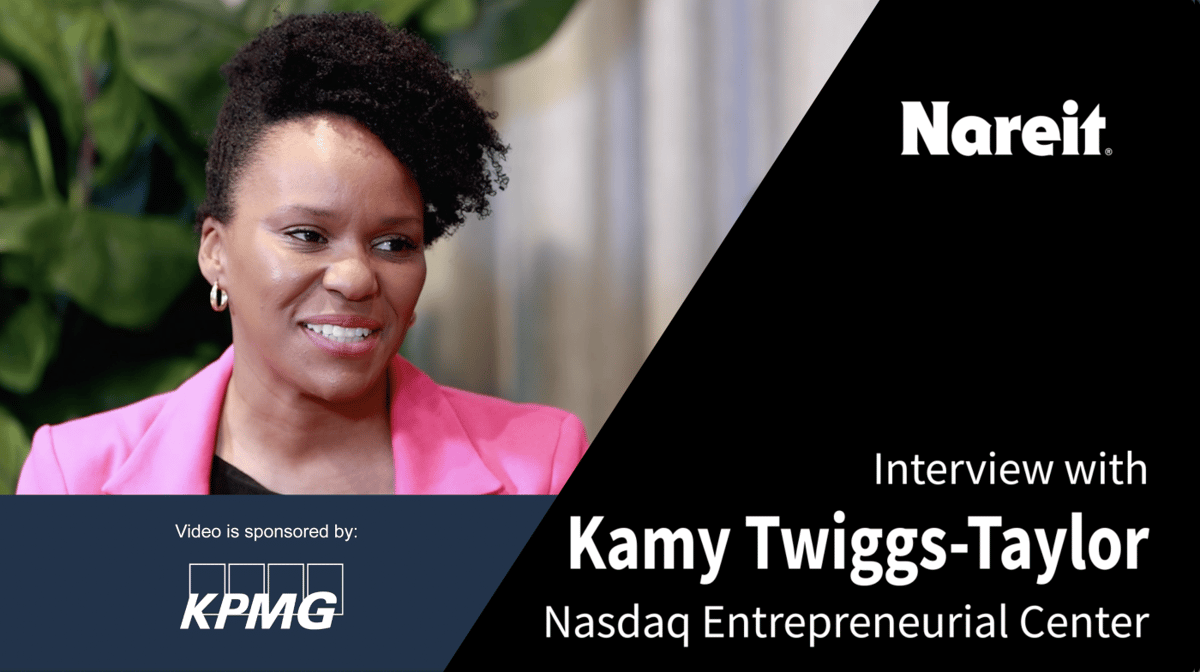
Nasdaq Director on Benefits of Reframing Volunteerism as Professional Development Opportunity
Nasdaq Entrepreneurial Center director Kamy Twiggs‑Taylor urged companies to treat volunteerism as a formal leadership‑development tool rather than a mere feel‑good activity. She argued that structured community projects act as a hands‑on lab where employees sharpen coaching, problem‑diagnosis, and strategic...

Potential for Loss Motivates Employees More Than Possible Gain, Study Shows
A Virginia Tech-led study published in the Journal of Applied Psychology finds that framing work problems as potential losses, especially collective losses, significantly increases employees' willingness to speak up. Across three experiments involving nearly 2,000 participants, loss framing boosted voice...

Children Who Were Called ‘Too Sensitive’ or ‘Too Serious’ Often Grow Into Adults Who Don’t Realize Their Constant Self-Monitoring Isn’t...
Children labeled “too sensitive” or “too serious” often internalize those judgments, turning constant self‑monitoring into a survival habit rather than a personality trait. Neuroplasticity research shows repeated adult criticism rewires the brain, creating an automatic vigilance system that operates below...

Three Dazed Clubbers on Documenting a Complete Digital Detox
Three members of Dazed's club embarked on a complete digital detox, disconnecting from smartphones and online platforms for an extended period. They recorded their offline journey with a Polaroid flip camera, producing a visual diary of analog moments. The experiment...
The 3-Phase Annual Review That Actually Works (Reflect, Synthesize, Design)
Asian Efficiency proposes a three‑phase annual review—Reflect, Synthesize, Design—to replace the common memory‑driven, recency‑biased approach. The first phase gathers objective data from calendars, photos, journals, credit‑card statements, and digital communications. The second phase organizes that data into Wins, Lessons, and...

Meta’s CTO Claims He Rarely Feels Stressed Out — Here Are His Top Strategies to Stay That Way
Meta’s chief technology officer Andrew Bosworth says he feels genuine stress only four to five times a year, despite overseeing Reality Labs, a division that has faced product pullbacks and layoffs. He frames stress as a signal to reprioritize, focusing...

REIT Leadership Expectations Shifting Amid More Complex Environment: Ferguson Partners
Ferguson Partners’ Courtney Calinog and Mike Cordingley told the REIT Report podcast that REIT CEOs must now supplement technical expertise with people‑centered capabilities. Self‑awareness, clear communication and trust‑building are seen as essential in a capital‑constrained, volatile market. CEOs are expected to...

7 Compliments Leaders Should Give Others
Leaders who habitually deliver targeted compliments can dramatically lift morale and performance. The article outlines seven specific phrases—such as “Thanks for working so hard” and “You see the big picture”—that emphasize effort, value, trust, leadership, steadiness, and vision rather than...

New CIRT Chief Is Ready to Coach Construction’s All-Stars
Corey Clayborne, a former architect and ex‑CEO of the AIA Virginia chapter, has taken the helm as president of the Construction Industry Round Table (CIRT). CIRT represents roughly 130 CEOs from the nation’s leading design and construction firms, giving Clayborne...

Psychology Says People Who Read Before Bed Every Night Have a Fundamentally Different Brain than People Who Watch Tv
New research shows that people who read a physical book each night develop measurably different brain patterns than those who watch television before sleep. Reading engages language, visual and associative networks, strengthening connectivity and neuroplasticity, while TV delivers pre‑packaged images...

How to Redefine Success in Modern Society
Modern society is reshaping what it means to be successful, moving away from traditional markers like luxury assets and high salaries toward personal fulfillment, health, and work‑life balance. The article highlights generational shifts, noting that younger workers prioritize flexibility, purpose,...
How I Follow 20 YouTube Channels Without Watching a Single Video
The author built an AI‑driven workflow that pulls each new YouTube video’s transcript via the channel’s RSS feed, creates a 90‑second plain‑text summary, and posts it to a Slack channel. This replaces a 200‑item "watch later" list with readable digests,...

Female Leaders Command Equal Obedience in a Modern Replication of the Milgram Experiment
Researchers replicated Milgram’s obedience experiment with 80 Polish volunteers in a lab and 800 participants in an online survey, testing whether a male or female authority figure changes compliance. The study found 88% obeyed a female professor and 90% obeyed...

Every Notes App I’ve Tried Gets This One Thing Wrong
The author argues that while modern note‑taking apps reliably capture text, they consistently miss the crucial context surrounding a note—who said it, which meeting it originated from, and what actions follow. This disconnect forces users to manually stitch together calendar...

How to Slay the Chaos Dragon
Organizational chaos hampers performance, but leaders can mitigate it through four practical actions. First, maintain continuous communication with the teams their groups collaborate with, focusing on the most frequent and strategic interactions. Second, create protected space in meetings for spontaneous...

The Simple Mental Habit Every High-Performer Shares
Serial entrepreneur Alexa von Tobel discovered that nearly every high‑performing founder she interviewed relies on a personal mantra to navigate stress. Neuroscience shows that second‑ or third‑person self‑talk creates psychological distance, improving emotional regulation and persistence. Repeating a concise phrase...