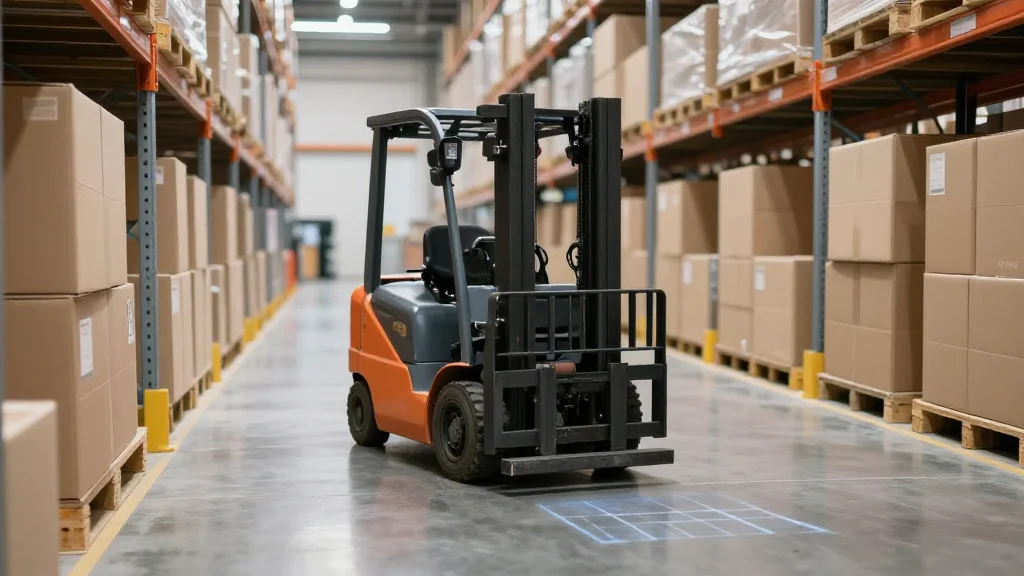
Inside the 4 Walls: The Importance of Being Standardized
Why It Matters
Standardization directly impacts a warehouse’s bottom line by delivering cost efficiencies and reliable KPIs, while also enhancing safety and employee retention. In a volatile supply‑chain environment, predictable operations become a strategic advantage.
Key Takeaways
- •Standardization boosts productivity and reduces operational costs
- •Consistent processes improve safety and customer satisfaction
- •Phased rollout mitigates resistance and accelerates adoption
- •Ongoing audits prevent process creep and sustain gains
- •Change management communication drives employee buy‑in
Pulse Analysis
Standardization has become a cornerstone of modern warehouse strategy, enabling firms to translate chaotic daily activities into repeatable, data‑driven processes. By defining clear work methods, companies can align key performance indicators such as order‑fill accuracy, labor efficiency, and on‑time delivery, delivering measurable gains in cost control and customer satisfaction. In an era where supply‑chain volatility threatens margins, predictable operations provide a buffer against disruptions, allowing managers to forecast capacity and allocate resources with confidence. The ripple effect extends to safety compliance and workforce stability, as consistent routines reduce error rates and turnover.
Introducing standardized work, however, is rarely a simple switch. Organizations must navigate cultural resistance, legacy habits, and the complexity of multi‑site coordination. A phased rollout—starting with tasks already 60‑70 % standardized, leveraging pilot teams, and selecting low‑exception processes—minimizes disruption while building early wins. Change‑management tactics such as transparent communication, WIIFM framing, and hands‑on training create the necessary buy‑in. Ergonomic layout also plays a critical role; placing tools within arm’s reach reinforces the new workflow and accelerates adoption. Continuous monitoring and rapid feedback loops keep the transition on track.
Once the new procedures are in place, rigorous auditing safeguards against process creep and ensures long‑term sustainability. Regular observations generate root‑cause data that feed continuous‑improvement cycles, sharpening metric accuracy and revealing hidden cost‑saving opportunities. As warehouses integrate automation and AI‑driven analytics, standardized baselines become essential for meaningful algorithmic recommendations. Companies that embed standardization within a broader culture of accountability and learning are better positioned to scale, negotiate favorable logistics contracts, and maintain world‑class performance amid evolving market pressures.
Inside the 4 Walls: The importance of being standardized
Comments
Want to join the conversation?
Loading comments...