Key Takeaways
- •Rory Goss lost 95% vision due to Leber's disease
- •Apple’s built‑in accessibility enabled him to continue A‑levels
- •Zoom, VoiceOver, and Continuity Camera kept classroom content reachable
- •Cohesive ecosystem let him master tools once, use across devices
- •His success showcases tech as equalizer for visually impaired students
Pulse Analysis
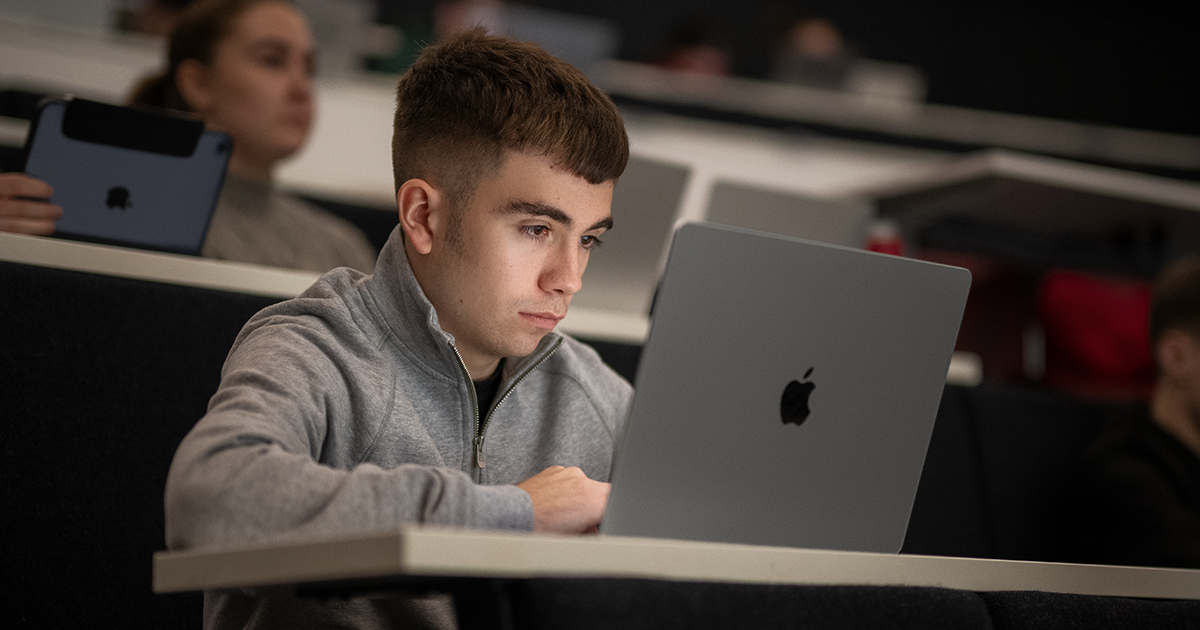
Apple’s accessibility portfolio has evolved from niche add‑ons to core system functions, offering screen magnification, speech output, and cross‑device continuity. For students like Rory Goss, who faced sudden, severe vision loss, these tools become a lifeline, turning a traditional classroom into a multimodal learning environment. By leveraging Zoom, VoiceOver, and Continuity Camera, he could capture handwritten notes on his iPhone, instantly enlarge them on a high‑resolution Mac display, and keep pace with peers without needing external hardware.
The strength of Apple’s ecosystem lies in its consistency. Once a user learns a gesture or setting on one device, it translates across iPhone, iPad, and Mac, reducing the cognitive load of switching assistive technologies. Schools that adopt such unified solutions see higher engagement rates among students with disabilities, as teachers can rely on a single platform for lesson delivery and assessment. Moreover, the seamless iCloud sync eliminates the need for manual file transfers, ensuring that critical information is always at hand, whether in the classroom or at home.
Rory’s academic triumph underscores a broader market trend: inclusive design drives both social impact and commercial advantage. Companies that embed accessibility at the OS level not only comply with regulations but also unlock new user segments and foster brand loyalty. As higher education institutions prioritize equity, demand for devices that support diverse learning needs will rise, prompting competitors to match Apple’s integrated approach. In the long run, such innovations will shape a workforce where technology bridges ability gaps, enhancing productivity and expanding talent pools across industries.
Rory Goss’s Accessibility Story
Comments
Want to join the conversation?