Key Takeaways
- •Introduce a "to‑stop" list to eliminate limiting habits
- •Combine kindness with excellence to foster resilient leadership
- •Purposeful abandonment encourages focus on future opportunities
- •Reflect on past pain to extract actionable lessons
Pulse Analysis
In today’s hyper‑competitive environment, the capacity to reset one’s priorities is as vital as any strategic framework. While Covey’s Seven Habits provide a solid foundation for personal effectiveness, they lack an explicit process for shedding obsolete behaviors. A "to‑stop" list functions as a tactical tool, allowing leaders to identify and discontinue actions that no longer serve organizational goals. This disciplined pruning mirrors the lean principle of eliminating waste, freeing mental bandwidth for high‑impact initiatives.
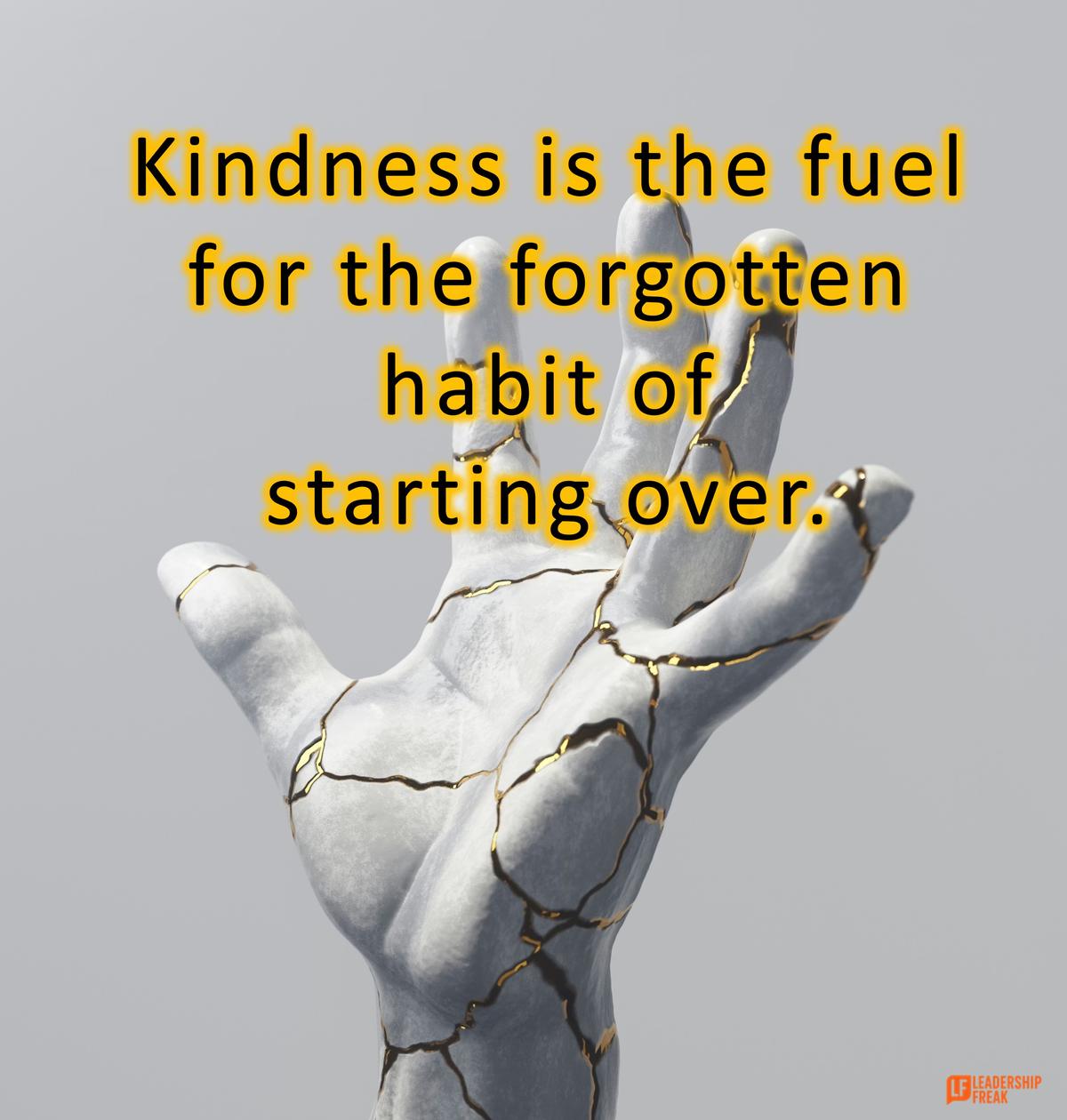
Psychologically, the forgotten habit hinges on kindness toward oneself—a departure from the self‑criticism that often stalls progress. When leaders pair compassion with a relentless pursuit of excellence, they create a culture where failure is reframed as learning. Purposeful abandonment, the act of saying no to legacy projects or entrenched mindsets, sharpens focus on emerging opportunities. This intentional decluttering aligns with modern change‑management theories that stress the importance of clear, forward‑looking vision.
Practically, integrating this habit requires concrete steps: conduct a reflective audit of past experiences, distill lessons, and draft a concise to‑stop list. Executives should set a 30‑day challenge to eliminate at least one counterproductive practice, measuring impact on team morale and productivity. By institutionalizing the habit of beginning anew, organizations cultivate adaptability, ensuring they remain relevant amid rapid technological and market shifts.
The Forgotten Habit
Comments
Want to join the conversation?