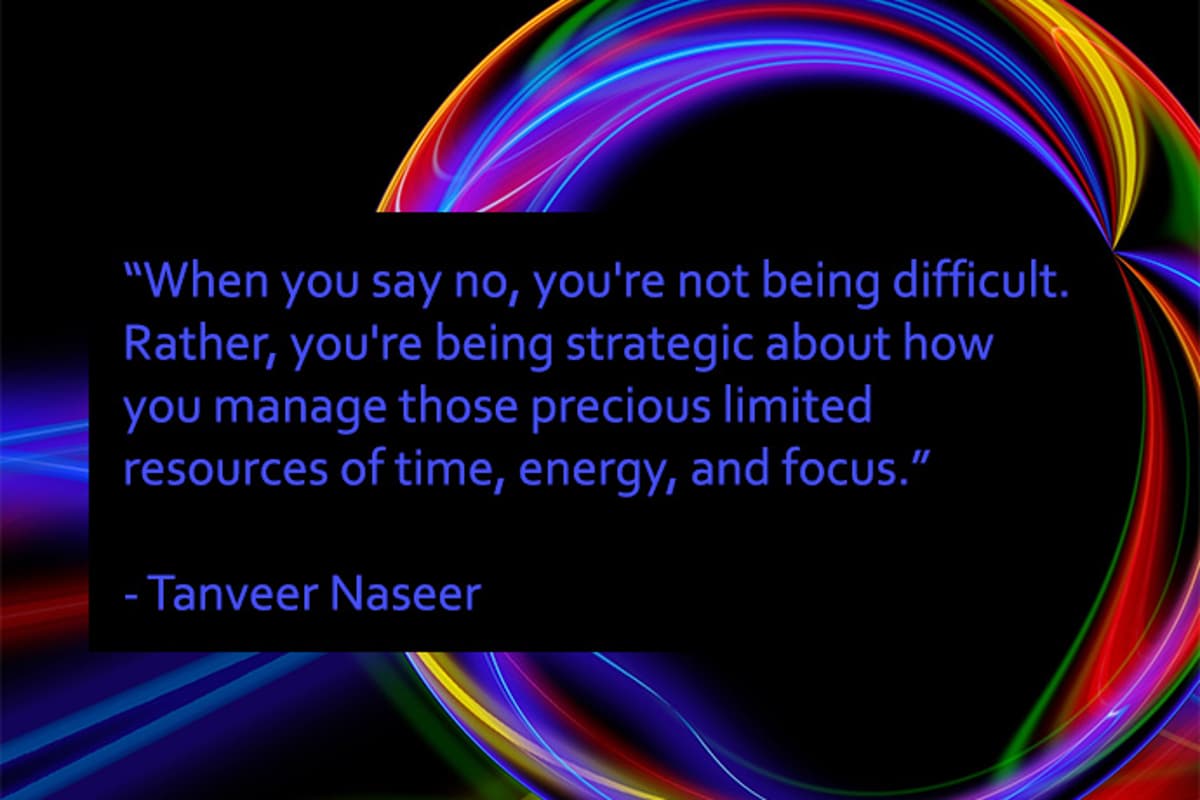
Why Saying No Is the Most Strategic Thing A Leader Can Do Right Now
•March 11, 2026
0
Key Takeaways
- •Leaders waste time on non‑strategic tasks.
- •Saying no preserves focus and resources.
- •Only 52% of execs prioritize strategic goals.
- •Evaluate requests against core objectives before committing.
- •Explain refusals and suggest alternatives to maintain relationships.
Summary
The article argues that modern leaders must master the art of saying no to protect scarce resources of time, energy, and focus. It cites Warren Buffett’s disciplined refusal strategy and McKinsey research showing only 52% of executives spend most of their time on strategic priorities. Practical guidance includes evaluating every request against core objectives, providing clear explanations, and offering alternatives. As market complexity accelerates, the ability to decline non‑essential demands becomes a critical competitive advantage.
Pulse Analysis
In today’s hyper‑connected business landscape, decision fatigue is a silent productivity killer. Executives are bombarded with urgent requests that often masquerade as strategic opportunities, yet most fail to align with the organization’s core mission. Research from McKinsey underscores this mismatch, revealing that just over half of senior leaders devote the majority of their time to true strategic priorities. By adopting a disciplined "no" mindset, leaders can cut through the noise, allocate attention to high‑impact initiatives, and reduce the cognitive overload that hampers effective decision‑making.
Warren Buffett’s career offers a compelling case study in selective focus. The billionaire investor famously declines the majority of proposals, reserving his capital and attention for ventures that meet stringent criteria tied to long‑term value creation. This principle translates directly to leadership: every request should be filtered through the lens of the company’s key objectives, potential to drive momentum, and capacity to develop team competencies. When a demand falls short, a firm yet courteous refusal—paired with constructive alternatives—preserves relationships while reinforcing strategic discipline.
Looking ahead, accelerating market complexity will magnify the need for strategic gatekeeping. Organizations that empower leaders to say no will enjoy clearer roadmaps, better resource allocation, and stronger alignment across functions. Moreover, a culture that normalizes thoughtful refusal encourages employees to prioritize, innovate within defined boundaries, and seek growth opportunities that truly matter. Ultimately, mastering the art of saying no is not a sign of rigidity but a catalyst for sustained competitive advantage in an increasingly volatile economy.
Comments
Want to join the conversation?