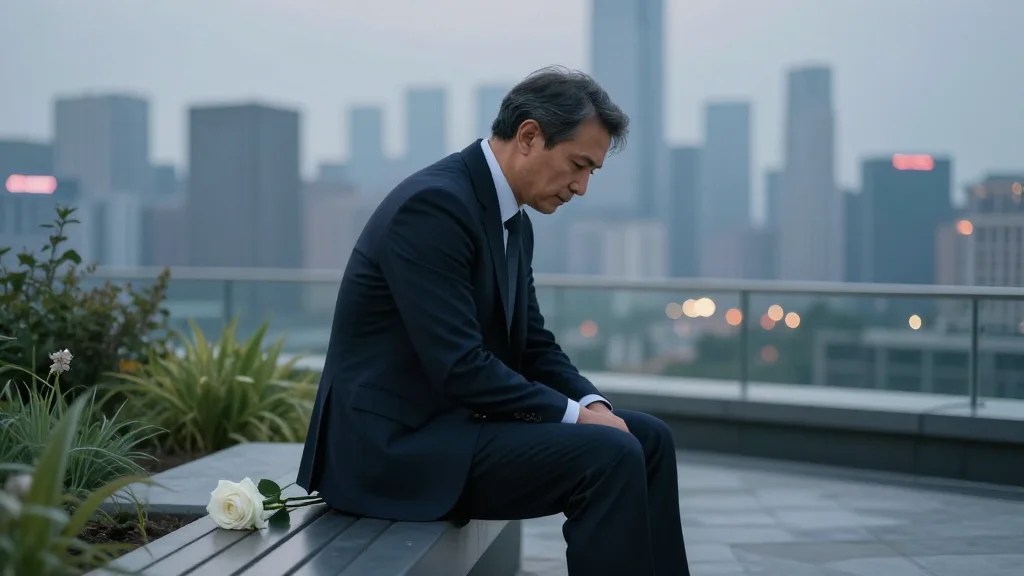
71% of Executives Report Rising Burnout, Highlighting a Leadership Crisis

Why It Matters
Executive burnout threatens the strategic direction of companies, as senior leaders shape long‑term investments, culture, and risk management. When those leaders are overwhelmed, decision‑making quality deteriorates, potentially jeopardizing shareholder value and market stability. Moreover, the stress contagion effect means that a single burned‑out CEO can erode employee engagement across the entire organization, driving higher turnover and recruitment costs. Addressing burnout at the top also signals a broader shift toward holistic workplace health. By normalizing mental‑health conversations among C‑suite members, firms can create a trickle‑down effect that destigmatizes vulnerability, improves overall workforce resilience, and positions the company as a forward‑thinking employer in a competitive talent landscape.
Key Takeaways
- •71% of senior leaders report increased stress in DDI’s 2025 Global Leadership Forecast, up from 63% in 2022.
- •Executive burnout now exceeds the 55% burnout rate among U.S. employees reported in a 2025 Ipsos/Eagle Hill survey.
- •Aaron Littles’ personal turnaround highlights the role of executive coaching and remote retreats in recovery.
- •Experts warn that hidden stress can spread to employees, creating a ‘stress contagion’ that impacts physical health.
- •DDI recommends systematic resilience programs; next‑year data will track the effectiveness of these interventions.
Pulse Analysis
The surge in executive burnout reflects a convergence of pandemic‑induced workload spikes, rapid AI integration, and entrenched cultural norms that equate vulnerability with weakness. Historically, leadership development focused on performance metrics rather than well‑being, but the current data forces boards to reconsider that calculus. Companies that invest in structured mental‑health resources for their leaders are likely to gain a competitive edge, as healthier executives can better navigate complex market disruptions and foster more engaged workforces.
From a market perspective, the burnout trend may accelerate the demand for niche coaching firms, digital wellness platforms, and AI‑driven stress‑monitoring tools. Investors are already earmarking capital for mental‑health tech that promises measurable ROI through reduced absenteeism and turnover. However, the efficacy of such solutions hinges on cultural acceptance; without a shift in the narrative that senior leaders can be openly vulnerable, even the most sophisticated tools will see limited uptake.
Looking ahead, the 2026 DDI forecast will serve as a barometer for whether current interventions are moving the needle. If stress levels plateau or decline, it could validate the emerging resilience‑building playbook and encourage broader adoption across industries. Conversely, a continued rise would signal deeper systemic issues, prompting regulators and industry bodies to consider guidelines around executive mental‑health disclosures and corporate governance responsibilities.
71% of Executives Report Rising Burnout, Highlighting a Leadership Crisis
Comments
Want to join the conversation?
Loading comments...