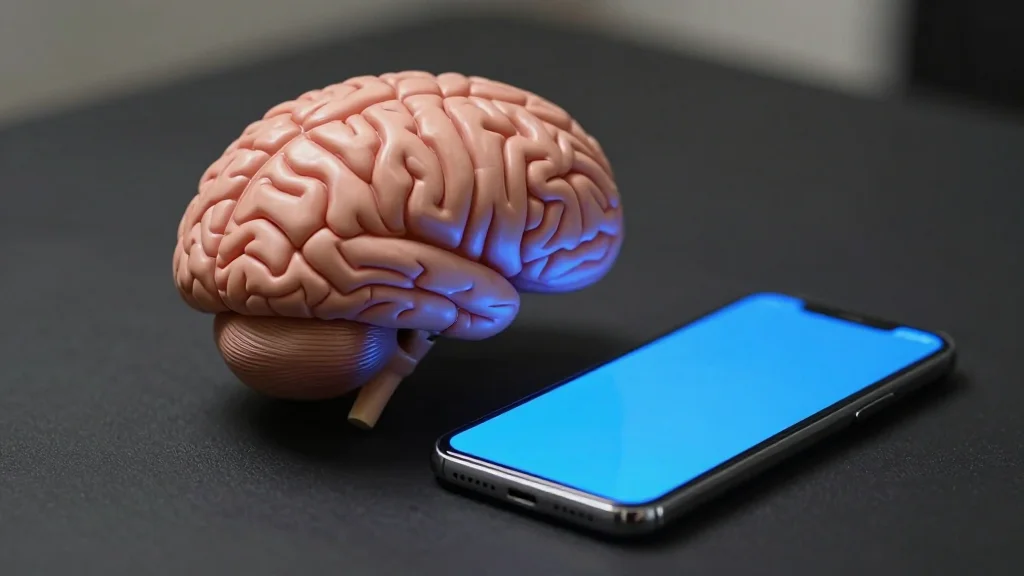
ABC News Links Modern Tech to 80% Drop in Attention Span Since 2004

Why It Matters
The rapid contraction of attention spans threatens core pillars of personal growth—focus, self‑discipline, and reflective learning. When individuals cannot sustain attention, habits such as daily journaling, skill practice, or meditation become fragmented, reducing their effectiveness. Moreover, the heightened susceptibility to misinformation can erode trust in self‑improvement content, making it harder for credible voices to guide audiences. For businesses, the shift forces a redesign of educational content, coaching programs, and productivity software. Companies that can deliver value in bite‑sized formats while still fostering deep learning will capture a growing market, whereas those that cling to long‑form approaches risk losing engagement.
Key Takeaways
- •Average screen attention now 47 seconds, down from 2.5 minutes in 2004.
- •Brain switches between tasks about four times per second, incurring cognitive cost.
- •Posner and Petersen's three‑network model remains the framework for attention research.
- •Katherine Johnson warns multitasking creates micro‑switches that degrade performance.
- •Tech firms face pressure to redesign notification systems to protect user focus.
Pulse Analysis
The attention‑span data points to a structural shift in how humans interact with information. Historically, the brain evolved for intermittent, high‑stakes vigilance—not the relentless stream of low‑stakes alerts that define modern life. This mismatch creates a chronic cognitive load that depletes mental bandwidth, a phenomenon that personal‑growth practitioners have been grappling with through mindfulness and deep‑work techniques.
From a market perspective, the data validates the surge in micro‑learning platforms and short‑form content. Companies like Headspace and Calm have already pivoted to sub‑five‑minute sessions, aligning product design with the new attention reality. However, the risk is that the emphasis on brevity may sacrifice depth, leading to a generation of learners who skim rather than internalize.
Future policy could become a differentiator. If regulators impose stricter limits on push notifications—similar to recent European digital‑wellbeing mandates—early adopters of notification‑free design may gain a competitive edge. Meanwhile, researchers are exploring neurofeedback tools that could train users to extend their focus windows, potentially restoring some of the lost capacity for sustained attention. The personal‑growth sector stands at a crossroads: adapt to the fragmented attention economy or champion a return to deeper, more intentional engagement.
ABC News Links Modern Tech to 80% Drop in Attention Span Since 2004
Comments
Want to join the conversation?
Loading comments...