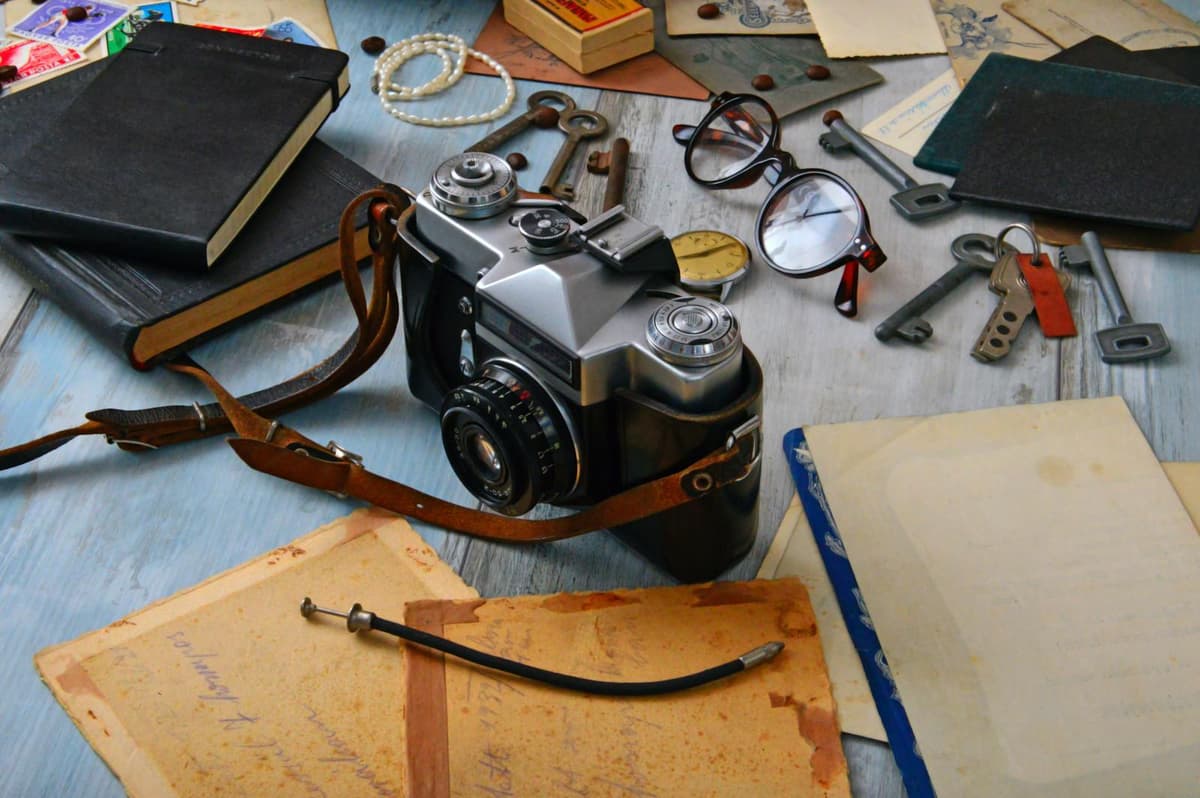
Adults Who Keep One Drawer Full of Items They’ll Never Use, Broken Watches, Expired Warranties, a Single Key to a Door that No Longer Exists, Aren’t Disorganized, They’re Holding Evidence that Their Life Actually Happened
Why It Matters
Understanding why adults retain seemingly useless items reveals a low‑cost strategy for preserving self‑continuity, which has implications for mental‑health practices and the design of decluttering interventions.
Key Takeaways
- •Drawer items serve as tangible cues that trigger autobiographical memories
- •Expired warranties act as timestamped receipts confirming past purchases and life events
- •Keys to vanished doors preserve access and continuity despite loss
- •Curated drawers differ from hoarding by intentional selection and clear personal narrative
- •Digital archives mirror physical drawers, offering low‑cost identity anchors in virtual space
Pulse Analysis
Memory researchers describe objects as associative triggers that bypass the brain’s reconstructive processes. A broken watch or an old warranty card can instantly summon a specific year, a workplace, or a personal relationship, because sensory details are hardwired to retrieve entire episodic scenes. Studies at Durham University show that a single sensory cue can outperform deliberate recall, underscoring why physical artifacts become indispensable anchors for a life that would otherwise be stored only in fading narratives.
The modern decluttering movement, popularized by the "spark joy" mantra, treats items purely by utility or immediate pleasure. This lens fails when applied to objects that carry emotional weight unrelated to function, such as a key to a demolished door. Unlike clinical hoarding, which impairs daily living, the curated drawer is a conscious, limited collection where each piece has survived multiple rounds of elimination. Psychologists note that intentional selection of memory‑laden items can reduce anxiety and reinforce a coherent self‑story, offering a therapeutic alternative to wholesale discarding.
Digital equivalents—archived photos, old email threads, and saved chat logs—operate on the same principle. A 2025 Frontiers in Psychology study found that students hoard digital media not for consumption but as identity anchors, mirroring the physical drawer’s role. As our lives become increasingly virtual, designing user‑friendly archival tools that respect the need for tangible proof of existence will be crucial. Practically, adults can periodically review their drawers, allowing objects to surface when needed while gently letting go of those that no longer serve as meaningful cues.
Adults who keep one drawer full of items they’ll never use, broken watches, expired warranties, a single key to a door that no longer exists, aren’t disorganized, they’re holding evidence that their life actually happened
Comments
Want to join the conversation?
Loading comments...