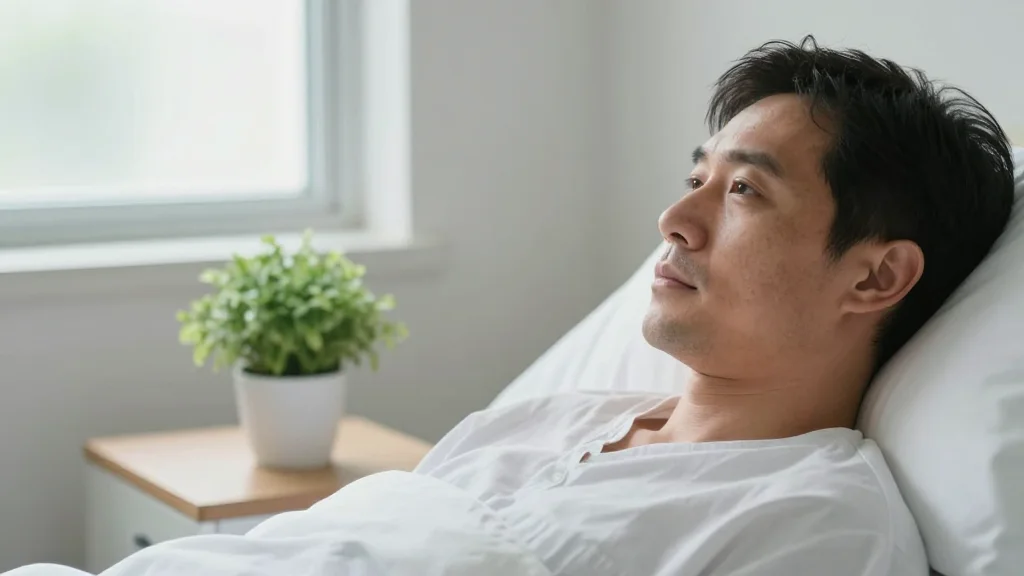
Bed‑Bound 'Groundhog Day' Test Pushes Survivor’s Mental Fortitude to Limit

Why It Matters
The experiment spotlights a rarely discussed facet of personal growth: the capacity to sustain mental resilience under unchanging, high‑stress conditions. While most self‑help literature emphasizes overcoming discrete obstacles, this account shows that endurance can be tested by sheer repetition and isolation, offering a new lens for therapists, coaches, and individuals facing chronic illness or long‑term disability. It also challenges the cultural narrative that resilience is always uplifting, suggesting that acknowledging grief and fear is a vital part of the growth process. For the broader personal‑development community, the story underscores the importance of designing support systems that address not only acute crises but also the slow, grinding wear of daily monotony. By sharing a lived example, the writer provides a template for others to examine their own internal dialogues and to develop strategies that keep the mind engaged when external progress stalls.
Key Takeaways
- •Writer spent a full week confined to a single bed, replicating a 'Groundhog Day' scenario.
- •The experiment turned routine into psychological warfare, exposing hidden mental strain.
- •Watching elite athletes became a source of grief, highlighting loss of physical agency.
- •Internal dialogue about never playing golf again illustrates fear‑hope conflict.
- •Findings suggest resilience training must address sustained monotony and chronic stress.
Pulse Analysis
The narrative adds a valuable data point to the evolving conversation about resilience in the personal‑growth sector. Historically, resilience frameworks have leaned on episodic challenges—career setbacks, relationship break‑ups, or acute health crises. This account, however, foregrounds a different kind of adversity: the relentless sameness of a bedridden existence. That shift forces practitioners to reconsider how they measure progress. Traditional metrics like goal completion or skill acquisition lose relevance when the primary goal is simply to stay mentally afloat.
From a market perspective, the story aligns with a growing demand for mental‑health products that cater to chronic conditions. Apps that offer micro‑meditations, journaling prompts, or guided visualizations could be repurposed to address the specific need for mental stimulation during prolonged inactivity. Companies that have historically targeted high‑performance athletes may find a new audience among long‑term patients seeking to reclaim a sense of agency.
Looking ahead, the experiment suggests a potential niche for structured "monotony‑resilience" programs—coaching modules that teach individuals how to reframe repetitive environments, manage internal dialogue, and cultivate purpose without external milestones. As the population ages and chronic illnesses become more prevalent, such offerings could become a cornerstone of the personal‑growth industry, expanding the definition of what it means to grow mentally under pressure.
Bed‑Bound 'Groundhog Day' Test Pushes Survivor’s Mental Fortitude to Limit
Comments
Want to join the conversation?
Loading comments...