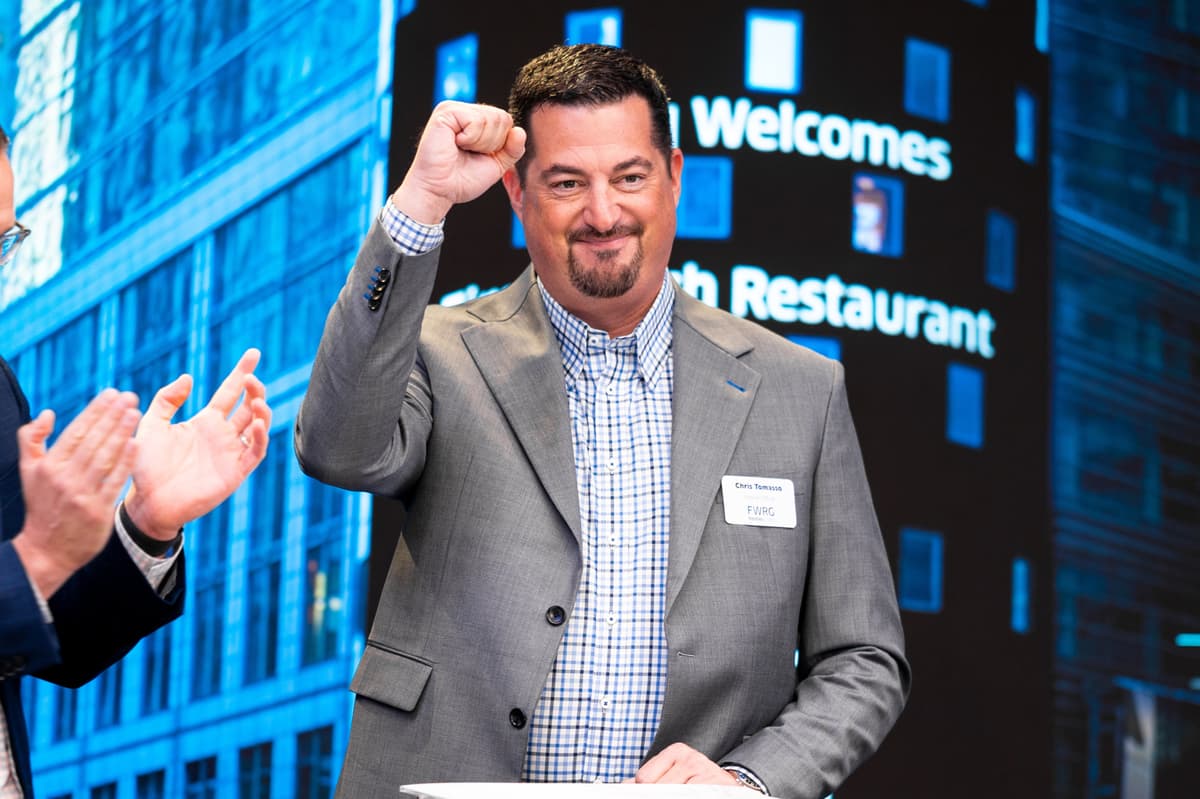
CEO Writes Hundreds of Thank You Notes to Staff and Still Eats in the Break Room—Which ‘Always, for Whatever Reason, Blows New Employees Away’
Companies Mentioned

Why It Matters
Personal, low‑tech recognition drives employee engagement and retention, giving companies a competitive edge in talent‑driven markets. It demonstrates that authentic leadership can still thrive amid AI‑driven communication.
Key Takeaways
- •First Watch CEO Chris Tomasso has written over 500 handwritten notes.
- •The notes celebrate employee milestones of 10, 20, or 30 years.
- •First Watch generates more than $1 billion in annual revenue.
- •Handwritten appreciation is used by CEOs at Neiman Marcus, Chevron, OpenAI.
- •Eating in the break room surprises new hires and reinforces culture.
Pulse Analysis
In an era where AI‑generated messages dominate inboxes, a handwritten note stands out as a tangible token of appreciation. Executives like Chris Tomasso are leveraging this low‑tech tool to cut through the noise, creating moments that feel personal and memorable. By acknowledging long‑term service with a pen‑on‑paper message, leaders signal that each employee’s contribution is seen and valued, reinforcing a culture of loyalty that can be hard to achieve through digital channels alone.
Research on employee engagement consistently links recognition with higher retention rates and productivity. When a CEO takes the time to sit in the break room and share a meal, it humanizes the hierarchy and fosters informal mentorship. Such gestures echo the practices of other CEOs—Geoffroy van Raemdonck at Neiman Marcus and Mike Wirth at Chevron—who blend handwritten notes with modern communication methods. The result is a hybrid recognition model that satisfies both the emotional need for personal touch and the efficiency demanded by today’s fast‑paced workplaces.
For organizations looking to replicate this success, the key is consistency and authenticity. Leaders should identify milestone moments, craft brief, sincere messages, and consider occasional low‑key interactions like shared lunches to break down perceived barriers. As AI continues to streamline routine tasks, the strategic use of analog communication can become a differentiator, reinforcing brand identity and employee pride while keeping the human element at the core of corporate leadership.
CEO writes hundreds of thank you notes to staff and still eats in the break room—which ‘always, for whatever reason, blows new employees away’
Comments
Want to join the conversation?
Loading comments...