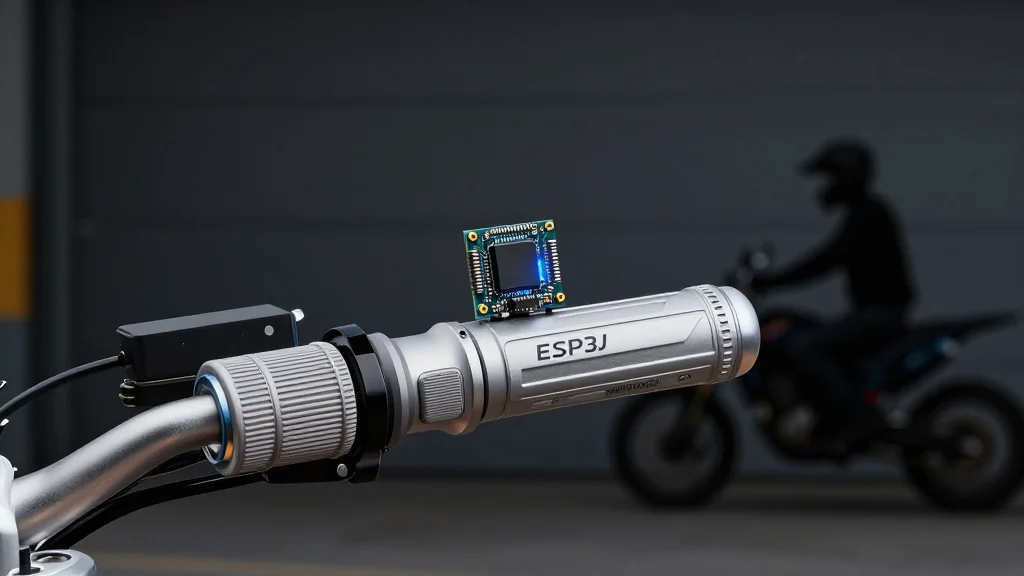
ChatGPT Refused to Help Me Vibe Code My Project and It Led Me Somewhere Better
Companies Mentioned
Why It Matters
The incident underscores AI’s built‑in safeguards and the necessity for engineers to retain control over critical code, shaping how AI tools are adopted in automotive and other high‑risk sectors.
Key Takeaways
- •ChatGPT declined to generate throttle‑modulation code for safety reasons
- •Refusal pushed author to study closed‑loop vehicle control fundamentals
- •AI remained useful for component selection and basic ESP32 code
- •Safety‑critical projects demand incremental testing and human verification
- •Vibe coding thrives when paired with thorough engineering discipline
Pulse Analysis
Vibe coding—rapid, AI‑assisted development—has become a staple for developers eager to accelerate prototypes. In consumer software and web apps the approach often yields quick wins, but when the target is a safety‑critical system like a motorcycle’s throttle, the stakes rise dramatically. Automotive regulators increasingly scrutinize software that directly influences vehicle dynamics, and liability concerns push manufacturers to demand rigorous validation. Consequently, developers must weigh the convenience of AI‑generated snippets against the potential for hidden hazards that could compromise rider safety.
OpenAI’s models incorporate safety layers that block requests deemed risky, such as code that manipulates throttle signals. In this case, ChatGPT’s refusal acted as a catalyst, steering the author toward a deeper exploration of closed‑loop control, CAN‑bus communication, and fail‑safe mechanisms. Rather than delivering a half‑baked solution, the AI nudged the developer to adopt an incremental design, verify each hardware interface, and understand the underlying physics. This mirrors a broader industry trend where AI serves more as a research aide—suggesting components, summarizing standards, and generating boilerplate—while critical logic remains in the hands of trained engineers.
The broader implication for tech firms and automotive startups is clear: AI can boost productivity, but it cannot replace disciplined engineering practices for high‑risk applications. Companies should embed AI‑assisted workflows within robust review processes, enforce code audits, and provide developers with training on safety‑critical design principles. As AI models evolve, we can expect more nuanced safeguards and domain‑specific guidance, enabling faster innovation without compromising safety. Embracing this balanced approach will allow the industry to reap AI’s benefits while maintaining the rigorous standards essential for vehicle control systems.
ChatGPT refused to help me vibe code my project and it led me somewhere better
Comments
Want to join the conversation?
Loading comments...