Cleaning Tasks Cut Anxiety, Boost Mental Well‑Being, Experts Say

Why It Matters
The link between routine chores and mental health offers a scalable, low‑cost strategy for anxiety reduction, expanding the toolkit available to both clinicians and individuals seeking personal growth. By reframing cleaning as a mindfulness practice, the approach democratizes mental‑wellness, making it accessible regardless of socioeconomic status. It also challenges the wellness industry’s focus on high‑priced solutions, suggesting that everyday actions can deliver comparable psychological benefits. If adopted widely, mindful cleaning could reduce reliance on more intensive interventions for mild anxiety, freeing up clinical resources for higher‑need cases. The practice also supports broader public‑health goals by encouraging physical activity, environmental tidiness, and a sense of agency—all factors associated with improved mental health outcomes.
Key Takeaways
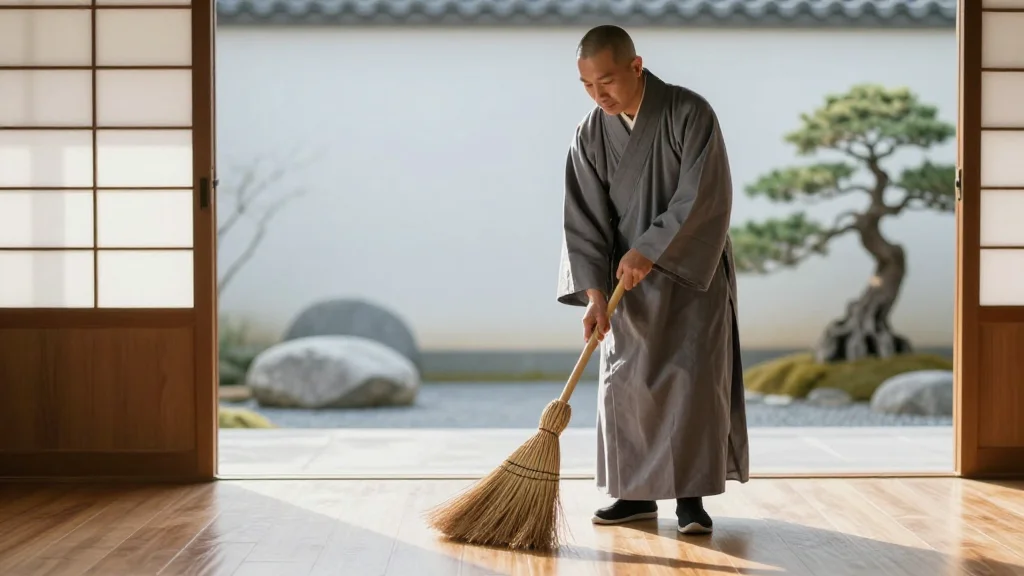
- •Zen monk Shoukei Matsumoto describes cleaning as "Habitat Care" that frees the mind.
- •Psychologist Holly Schiff says repetitive chores regulate the nervous system.
- •Mindful cleaning offers immediate, tangible results that boost a sense of control.
- •The practice aligns with emerging "micro‑wellness" trends in personal growth.
- •Experts suggest slowing down and focusing on sensory details to maximize benefits.
Pulse Analysis
The convergence of ancient Zen practice and modern psychology around cleaning signals a broader shift toward integrating simple, embodied activities into mental‑health regimens. Historically, therapeutic models have emphasized talk‑based interventions; however, behavioral activation—encouraging patients to engage in purposeful activity—has long been a cornerstone of cognitive‑behavioral therapy. The current emphasis on cleaning extends this principle, positioning a mundane task as a structured, sensory‑rich activity that can trigger the same neurobiological pathways as formal meditation.
From a market perspective, the personal‑growth sector has seen a surge in subscription‑based mindfulness apps and high‑priced coaching programs. Yet, the evidence presented by Matsumoto and Schiff suggests that low‑tech, high‑frequency actions may deliver comparable outcomes for anxiety reduction. This could pressure wellness startups to incorporate or highlight everyday practices in their offerings, potentially leading to hybrid models that blend digital guidance with real‑world chores.
Future research will be critical. Controlled trials measuring physiological markers (e.g., cortisol, heart‑rate variability) before and after cleaning sessions could validate the anecdotal claims and provide a data‑driven foundation for clinical guidelines. If such studies confirm the benefits, we may see cleaning prescribed alongside exercise and sleep hygiene in primary‑care settings, cementing its role as a cornerstone of holistic personal‑growth strategies.
Cleaning Tasks Cut Anxiety, Boost Mental Well‑Being, Experts Say
Comments
Want to join the conversation?
Loading comments...