Courage Is Not Hardwired—You Can Build It Like a Muscle. Here’s How
Why It Matters
Understanding courage as a developable skill reshapes leadership development and empowers individuals to tackle high‑stakes challenges, driving innovation and social progress.
Key Takeaways
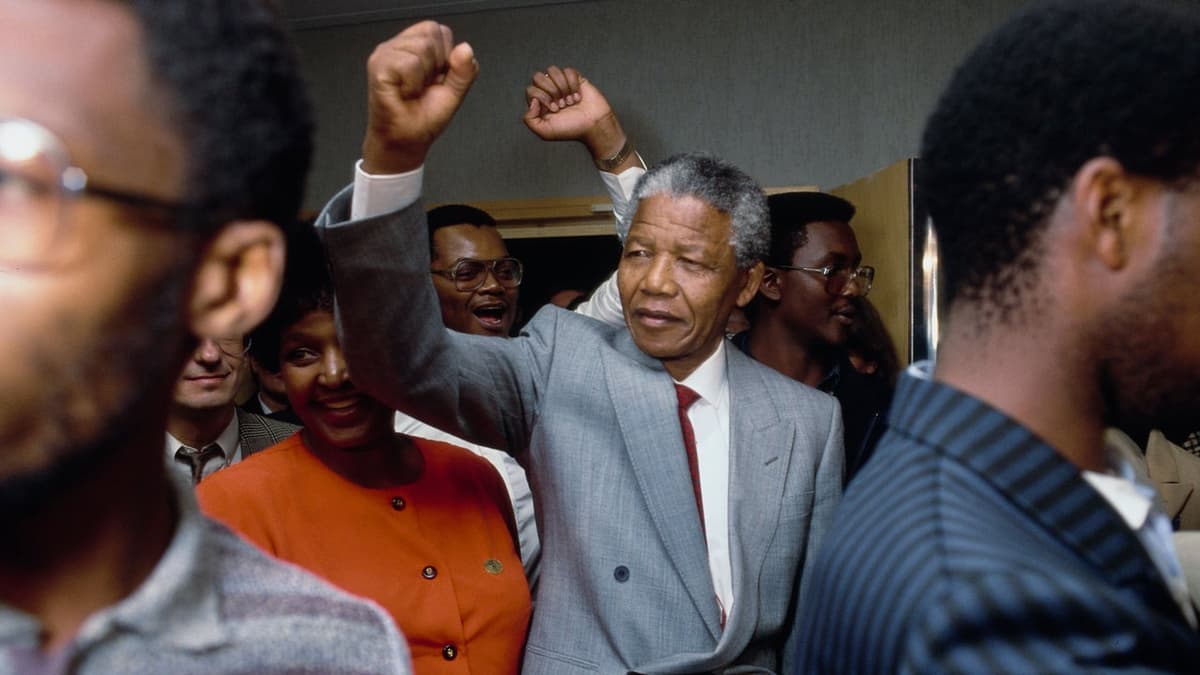
- •Mandela rejected conditional release to stay true to anti‑apartheid mission
- •Courage defined as intentional action toward virtue despite fear
- •Courage is presented as a habit that anyone can develop
- •Building courage requires deliberate practice, time, and focused intention
- •Historical icons illustrate courage but should not be mythologized as innate
Pulse Analysis
The story of Nelson Mandela’s 1985 refusal to accept a conditional parole is more than a historical footnote; it serves as a vivid case study of courage under extreme pressure. While popular narratives often elevate such figures to near‑mythic status, the article reframes their actions as the result of conscious, value‑driven decisions rather than innate heroism. This perspective invites readers to reconsider how courage is portrayed in business literature and leadership training, shifting the focus from rare talent to reproducible behavior.
Psychologically, courage emerges when the brain’s fear circuitry—centered on the amygdala—signals danger, yet the prefrontal cortex overrides the impulse to flee in favor of a higher goal. The article defines courage as intentional action aligned with a virtuous mission, acknowledging that dread is a natural precursor rather than an obstacle. By treating fear as data rather than a verdict, individuals can rewire their response patterns, turning the nervous system’s alarm into a catalyst for purposeful risk‑taking.
For executives and managers, this reframing offers a practical roadmap. Building courage requires deliberate practice: setting incremental challenges, reflecting on outcomes, and reinforcing the link between action and core values. Organizations can embed this habit by celebrating calculated risks, providing psychological safety, and aligning performance metrics with mission‑driven objectives. As more leaders adopt a muscle‑building approach to bravery, companies become better equipped to navigate disruption, innovate boldly, and sustain ethical cultures.
Courage is not hardwired—you can build it like a muscle. Here’s how
Comments
Want to join the conversation?
Loading comments...