Finding Meaning and Purpose in Medical Residency Training
Key Takeaways
- •Residency training emphasizes clinical action over reflective patient communication
- •Mentorship and honest dialogue reduce uncertainty and improve decision‑making
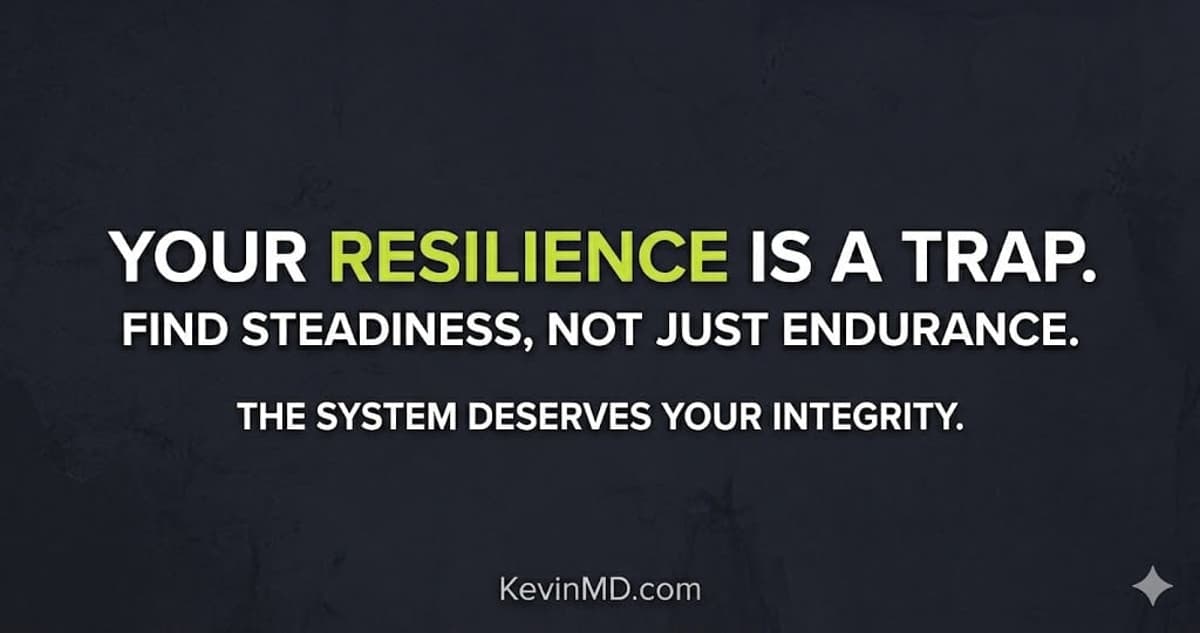
- •Resilience framed as endurance can mask systemic workload pressures
- •Presence and truth‑telling enhance patient trust when cures are unavailable
- •Sustained meaning derives from small, unmeasured moments of care
Pulse Analysis
Medical residency is often portrayed as a relentless sprint of diagnoses, procedures, and shift work, but the real education lies in the silent curriculum of meaning and purpose. New physicians confront fatigue, ambiguous authority, and an institutional push toward "resilience" that can obscure systemic stressors. Studies show that residents who report higher purpose scores experience 30% lower burnout rates, translating into fewer sick days and lower turnover costs for hospitals. Recognizing that purpose is cultivated through reflective practice, not just procedural competence, reframes how training programs assess success.
Mentorship emerges as the most powerful lever for embedding that purpose. When senior clinicians model humility, admit uncertainty, and create safe spaces for candid dialogue, residents develop better judgment and confidence in seeking help. Research from academic medical centers indicates that structured mentorship programs reduce resident anxiety by up to 25% and improve patient satisfaction scores, especially in end‑of‑life conversations where honesty outweighs curative intent. These unquantifiable interactions—listening to a patient’s fears, holding a hand, delivering plain truth—build trust that directly impacts adherence and outcomes, reinforcing the business case for investing in relational training.
For health‑care leaders, the implication is clear: fostering meaning is not a soft‑skill add‑on but a strategic priority. Organizations should redesign evaluation metrics to capture narrative competence, allocate protected time for mentorship, and address workload imbalances that masquerade as resilience. By aligning institutional culture with the intrinsic motivations of physicians, hospitals can lower burnout‑related costs—estimated at $4.6 billion annually in the U.S.—while enhancing the quality of care delivered. In short, the durable rewards of purpose extend beyond individual fulfillment to measurable financial and clinical gains.
Finding meaning and purpose in medical residency training
Comments
Want to join the conversation?