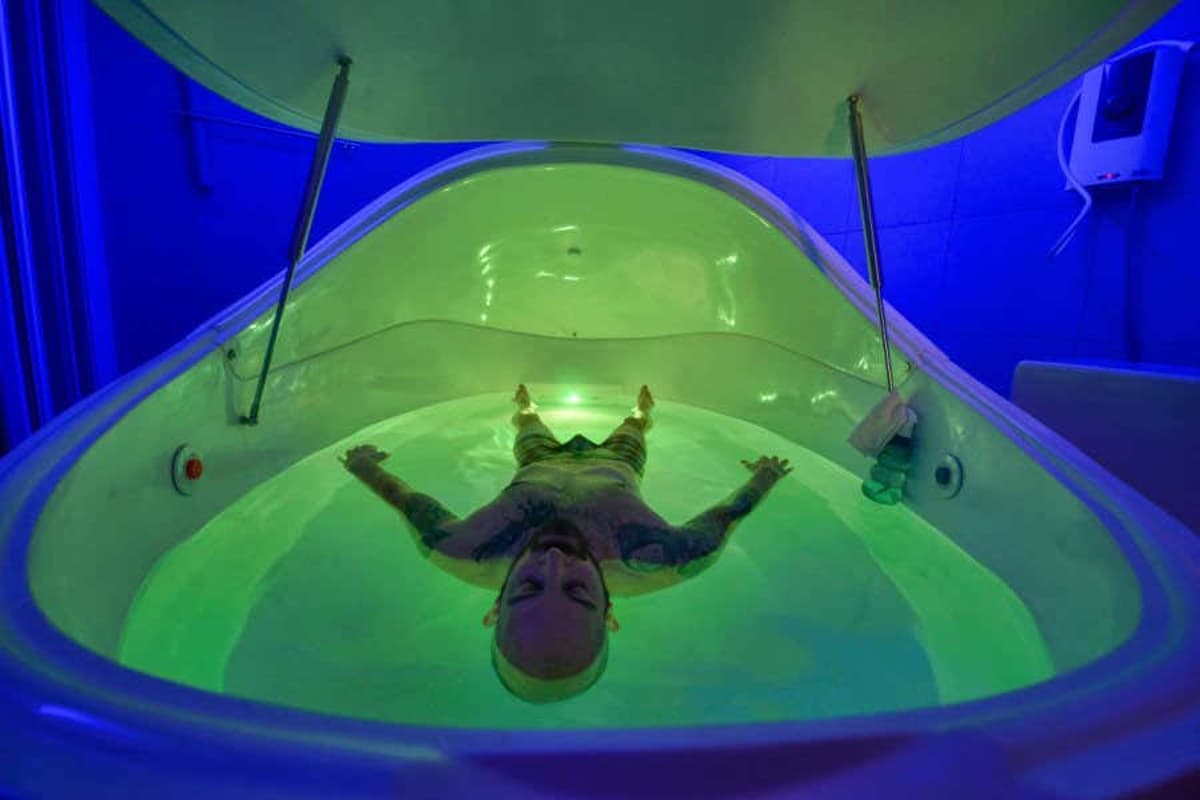
Floatation Tanks Deployed to Combat PTSD After Devastating Wildfires
Why It Matters
The initiative offers a rapid, low‑cost mental‑health intervention for a community facing a potential PTSD epidemic, and it could set a new standard for disaster response worldwide.
Key Takeaways
- •Mobile float tanks arrive in Maui to address post‑wildfire PTSD
- •Each hour‑long session reduces cortisol and improves sleep for trauma survivors
- •Partnership includes health agencies, nonprofits, and a portable‑tank manufacturer
- •Successful pilot could scale to disaster zones worldwide
Pulse Analysis
Maui’s 2023 wildfires left more than 100 dead and thousands homeless, creating a lingering mental‑health crisis that public health officials fear could evolve into a PTSD epidemic. Traditional therapy resources are stretched thin, with waiting lists extending months, prompting innovators to explore alternative treatments that can be deployed quickly and at scale. The arrival of mobile floatation tanks represents a novel approach, leveraging sensory deprivation to trigger deep relaxation—a method that has shown promise in clinical studies for reducing stress hormones and improving sleep quality, two critical factors in trauma recovery.
Floatation therapy, also known as isolation‑tank therapy, immerses users in body‑temperature water saturated with Epsom salts, eliminating the sense of gravity and external stimuli. This environment induces a meditative state that can lower cortisol levels, dampen hyper‑arousal, and facilitate better sleep, all of which are essential for mitigating PTSD symptoms. The portable units fit inside standard shipping containers, allowing rapid deployment to community centers, schools, or temporary shelters. Sessions last about an hour, require minimal staffing, and can be administered by trained volunteers, making the solution both cost‑effective and accessible for populations that might otherwise lack mental‑health support.
If the Maui pilot demonstrates measurable improvements in anxiety and PTSD markers, the model could become a template for disaster response worldwide. Governments and NGOs may adopt floatation tanks as part of emergency mental‑health kits, reducing reliance on lengthy psychotherapy pipelines. Moreover, the partnership between public health agencies, charitable groups, and a private manufacturer showcases a collaborative framework that could accelerate innovation in other crisis‑intervention technologies. Scaling this approach could not only alleviate suffering after natural disasters but also open new markets for portable therapeutic equipment, reshaping how societies address trauma in the aftermath of catastrophe.
Floatation tanks deployed to combat PTSD after devastating wildfires
Comments
Want to join the conversation?
Loading comments...