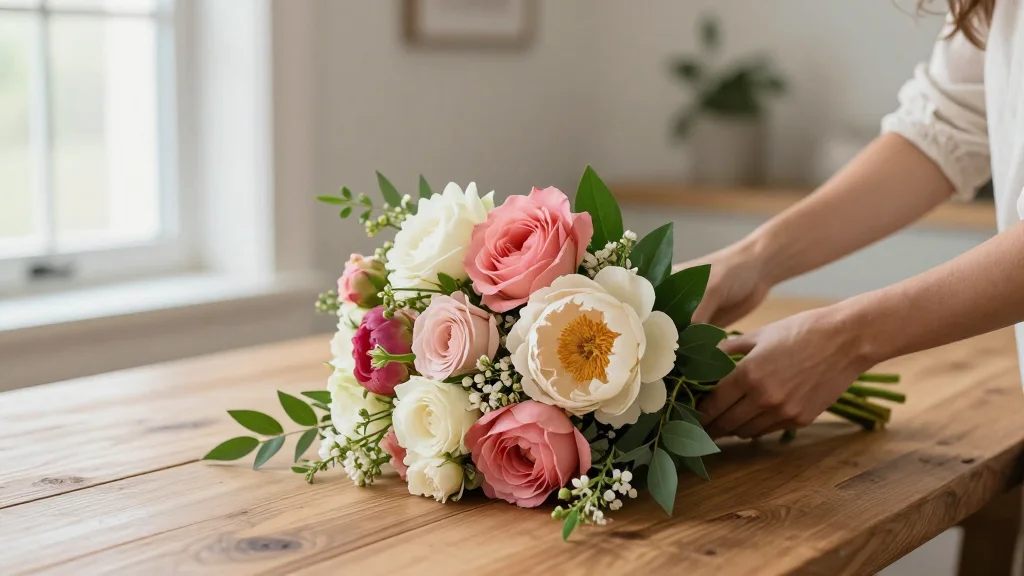
Former Office Manager Turns Health Anxiety Into Blooming Florist Business

Why It Matters
Dyson’s transition from a high‑stress office role to a purpose‑driven florist illustrates how confronting mental‑health challenges can catalyze personal‑growth and entrepreneurial activity. Her use of TikTok to share coping strategies creates a scalable support network that reaches beyond geographic limitations, offering a template for other individuals seeking to turn personal adversity into public advocacy. Moreover, the community‑backed recovery from a burglary highlights the social capital that can accrue when personal narratives resonate with local audiences, reinforcing the idea that mental‑health awareness can translate into tangible economic opportunities. For the broader personal‑growth ecosystem, Dyson’s model signals a shift toward hybrid ventures that blend commerce with wellness education. As more consumers prioritize mental‑wellbeing, businesses that embed authentic health narratives into their brand story may capture both market share and loyalty, reshaping how personal development is monetized and delivered.
Key Takeaways
- •Natalie Dyson quit a 15‑year office job due to health anxiety and launched Clarity Florist.
- •Her TikTok channel has attracted nearly 50,000 followers seeking anxiety support.
- •The home‑based flower business is preparing to open a storefront on Waterloo Road, Blackpool.
- •A March break‑in stole tools, but community donations helped her recover.
- •Dyson plans to host well‑being workshops to help others manage health anxiety.
Pulse Analysis
Dyson’s journey reflects a broader cultural pivot where personal‑health crises become springboards for entrepreneurship. Historically, mental‑health stigma limited public discussion, but platforms like TikTok have democratized storytelling, allowing individuals to monetize authenticity while providing peer support. This dual‑value proposition—commercial revenue plus community impact—creates a resilient business model that can weather setbacks, as evidenced by Dyson’s rapid recovery after theft.
Economically, the personal‑growth market is expanding beyond coaching apps into tangible experiences. Dyson’s planned workshops blend product sales with therapeutic activity, a hybrid that can command premium pricing and foster repeat engagement. Competitors in the wellness‑retail space may need to incorporate similar narrative‑driven elements to stay relevant.
Looking forward, the success of ventures like Clarity Florist could encourage investors to fund founders whose personal narratives align with mental‑health advocacy, potentially spawning a new sub‑segment of impact‑focused startups. For policymakers, Dyson’s case underscores the importance of community resources that support mental‑health entrepreneurs, suggesting that local grants or mentorship programs could amplify these grassroots successes.
Former Office Manager Turns Health Anxiety into Blooming Florist Business
Comments
Want to join the conversation?
Loading comments...