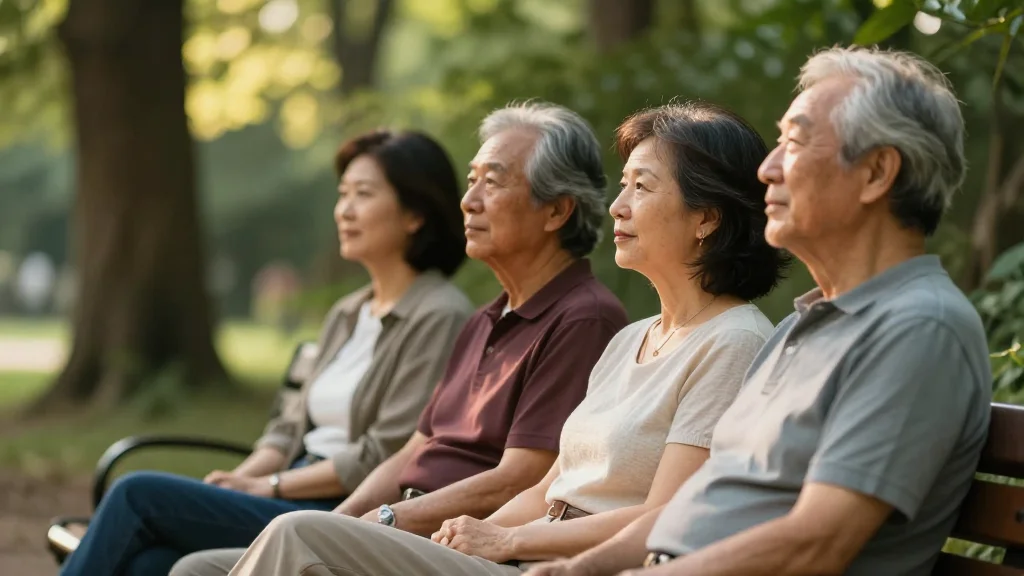
Immersive Nature Program Cuts Loneliness for Strangers in Melbourne

Why It Matters
Loneliness is linked to higher mortality, poorer mental health and reduced workplace productivity, making it a public‑health priority. This study offers concrete evidence that nature‑based social prescribing can be a low‑cost, scalable tool to mitigate loneliness, especially for marginalized groups such as LGBTIQA+ refugees who often lack traditional support networks. By situating mental‑health interventions in accessible green spaces, policymakers can address both social isolation and the broader loss of connection to the natural environment. If replicated at scale, such programs could shift the mental‑health paradigm from clinic‑centric treatment to community‑centric prevention, reducing pressure on overstretched health services while fostering inclusive, resilient neighborhoods.
Key Takeaways
- •37 strangers participated in an eight‑week nature program in Melbourne.
- •Loneliness scores fell from severe to moderate across the cohort.
- •Weekly sessions combined walks, gardening, meals and facilitated reflection.
- •Participants reported increased calm, confidence and a sense of belonging.
- •Study supports social prescribing as a viable public‑health strategy.
Pulse Analysis
The Melbourne study arrives at a moment when governments worldwide are experimenting with non‑clinical interventions to curb the loneliness epidemic. Historically, social prescribing began in the UK as a way to divert patients from overburdened GP appointments toward community activities. This Australian trial pushes the model further by targeting a population that faces compounded stressors—displacement, trauma and marginalization. The clear reduction in loneliness suggests that the therapeutic value of nature is not merely aesthetic; it creates a low‑threat backdrop where strangers can build trust without the social hierarchies that often dominate indoor settings.
From a market perspective, the findings could stimulate investment in green‑space programming platforms, similar to the rise of outdoor wellness apps and corporate employee‑wellness retreats. Companies that own or manage urban parks may see new revenue streams by partnering with health agencies to host structured programs. However, scaling will demand robust facilitator training, transportation logistics and measurable outcome tracking to satisfy public‑funding bodies. The next research phase—testing the model with older adults and chronic disease patients—will be critical to proving its universal applicability and to securing long‑term policy adoption.
Overall, the study underscores a shift toward holistic health solutions that blend environmental stewardship with social connection. If policymakers act on this evidence, we could witness a new era where city planning, mental‑health services and community organizations co‑design programs that simultaneously heal people and nurture the natural world.
Immersive Nature Program Cuts Loneliness for Strangers in Melbourne
Comments
Want to join the conversation?
Loading comments...