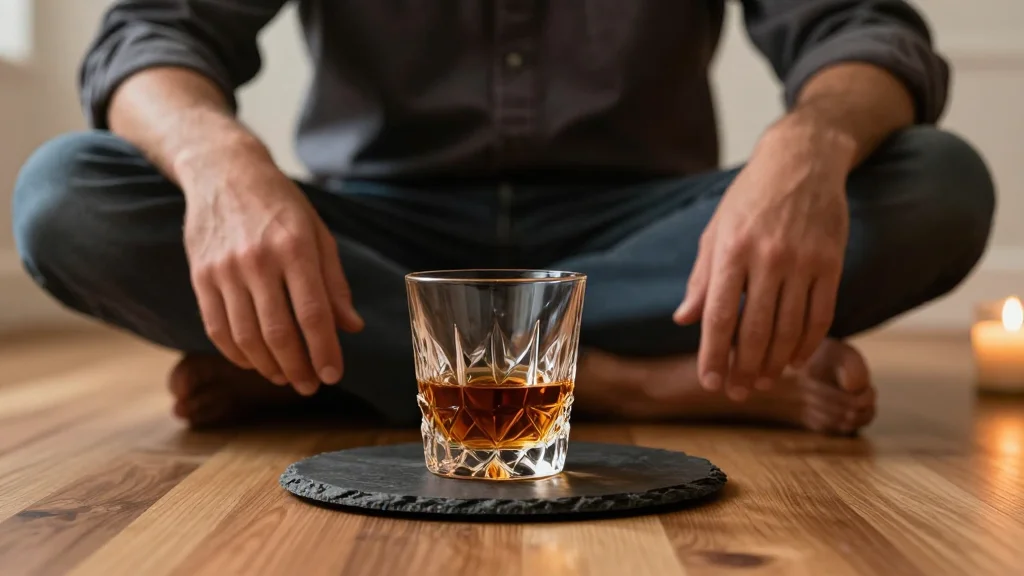
Iraq Veteran Turns Bourbon Tasting Into Mindfulness Practice to Tackle PTSD

Why It Matters
Minnick’s bourbon‑infused mindfulness illustrates a growing appetite for individualized, experience‑based healing among veterans, a demographic historically underserved by conventional mental‑health services. By reframing a culturally iconic American spirit as a therapeutic tool, the approach challenges stigma around both PTSD and alcohol, potentially opening doors for broader acceptance of alternative modalities. If validated, such practices could diversify the toolkit available to VA clinicians, offering low‑cost, community‑driven options that resonate with veterans’ personal interests. At the same time, the model raises critical questions about safety, especially for individuals with a history of substance‑use disorder. The debate highlights the need for rigorous research to delineate when sensory‑focused mindfulness can be safely integrated with, or must be kept separate from, alcohol consumption. The outcome will shape future guidelines for veteran care and influence how the broader personal‑growth industry frames experiential wellness.
Key Takeaways
- •Fred Minnick hosted a bourbon‑tasting mindfulness dinner in Cleveland for his new memoir launch.
- •Minnick uses "taste mindfulness" to ground himself during PTSD episodes, focusing on a thimble‑sized sip.
- •His therapist introduced mindfulness, later adapted to food and drink as a creative coping strategy.
- •The approach sparks debate: advocates see it as low‑barrier therapy, critics warn of alcohol‑related risks.
- •Minnick’s tour will continue to major cities, potentially influencing veteran wellness programs nationwide.
Pulse Analysis
Minnick’s story sits at the intersection of veteran advocacy, experiential wellness, and the burgeoning market for niche mindfulness practices. Historically, the VA has leaned on evidence‑based therapies such as cognitive‑behavioral therapy and medication. Yet, low engagement rates—especially among male veterans—have spurred a search for alternatives that feel less clinical. By leveraging bourbon, a culturally resonant symbol, Minnick taps into identity and community, two powerful levers for behavior change. This mirrors trends in the broader personal‑growth sector, where sensory experiences—like coffee ceremonies or sound baths—are repackaged as meditative tools.
From a market perspective, the fusion of alcohol and mindfulness could inspire a new sub‑category of “mindful drinking” products, akin to the rise of low‑alcohol spirits marketed for health‑conscious consumers. Companies may see an opportunity to partner with veteran organizations, creating co‑branded events that blend education with brand exposure. However, any commercial exploitation must navigate ethical concerns, ensuring that profit motives do not eclipse the therapeutic intent.
Looking ahead, the key will be rigorous evaluation. If longitudinal studies demonstrate that controlled, low‑dose tasting can reduce PTSD symptom severity without fostering dependence, the model could be integrated into VA‑approved complementary therapies. Conversely, negative outcomes could reinforce cautionary stances and limit adoption. Either way, Minnick’s public experiment forces the mental‑health field to confront the reality that healing is increasingly personal, sensory, and, at times, unconventional.
Iraq Veteran Turns Bourbon Tasting Into Mindfulness Practice to Tackle PTSD
Comments
Want to join the conversation?
Loading comments...