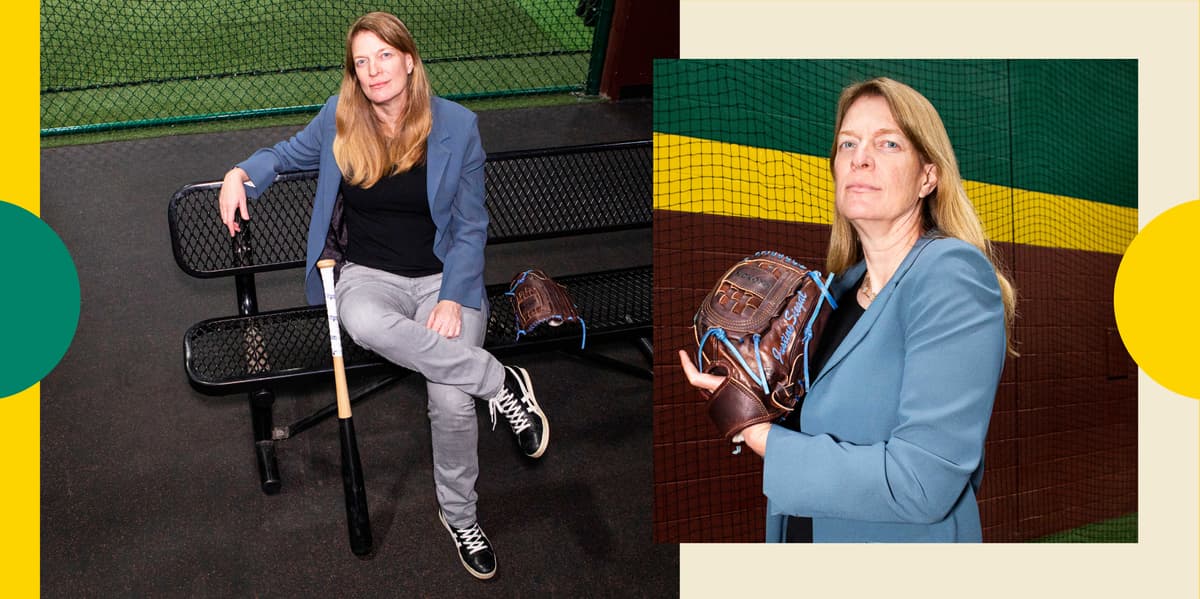
Justine Siegal Was Told Girls Don’t Belong in Baseball. She Built a League to Prove Them Wrong.
Why It Matters
Siegal’s initiatives turn a long‑standing gender gap into a market opportunity, expanding the baseball talent pool and unlocking new sponsorship and media revenue streams. The WPBL signals a shift toward inclusive sports ecosystems that attract fans, investors, and future talent.
Key Takeaways
- •Founded Baseball for All nonprofit in 2010 to grow girls' baseball
- •First woman to coach men's professional baseball and run MLB batting practice
- •WPBL slated to launch August 2024, offering first professional women's league
- •Siegal’s sports‑psychology PhD informs coaching style and player development
- •Summer tournament draws over 700 female players, expanding talent pipeline
Pulse Analysis
Baseball has historically relegated women to softball, leaving a void in the sport’s talent pipeline. Justine Siegal’s breakthrough as the first female coach in men’s professional baseball and her high‑profile batting‑practice stint with the Cleveland Guardians challenged entrenched stereotypes. By combining on‑field expertise with a PhD in sports psychology, Siegal demonstrates that coaching effectiveness transcends gender, offering a compelling case study for organizations seeking diverse leadership perspectives.
The nonprofit Baseball for All translates Siegal’s personal mission into measurable impact. Since 2010, the organization has helped launch girls’ baseball leagues across the United States, delivered leadership curricula, and organized a summer tournament that now attracts more than 700 participants. These grassroots efforts create a feeder system for the newly announced Women’s Professional Baseball League, which plans its inaugural season for August 2024. By providing structured competition, scouting exposure, and professional contracts, the WPBL promises to turn hobbyists into career athletes, while also generating local economic activity through stadium rentals, merchandise, and community sponsorships.
From an industry standpoint, the WPBL represents a nascent but lucrative market segment. Brands eager to align with gender‑equity initiatives can tap into a growing fan base that values authenticity and social impact. Media partners stand to gain fresh content for streaming platforms, and advertisers can target a demographic historically underserved in baseball. As the league matures, its success could prompt MLB clubs to invest in women’s development programs, further blurring the line between amateur and professional pathways and cementing baseball’s evolution into a truly inclusive sport.
Justine Siegal Was Told Girls Don’t Belong in Baseball. She Built a League to Prove Them Wrong.
Comments
Want to join the conversation?
Loading comments...