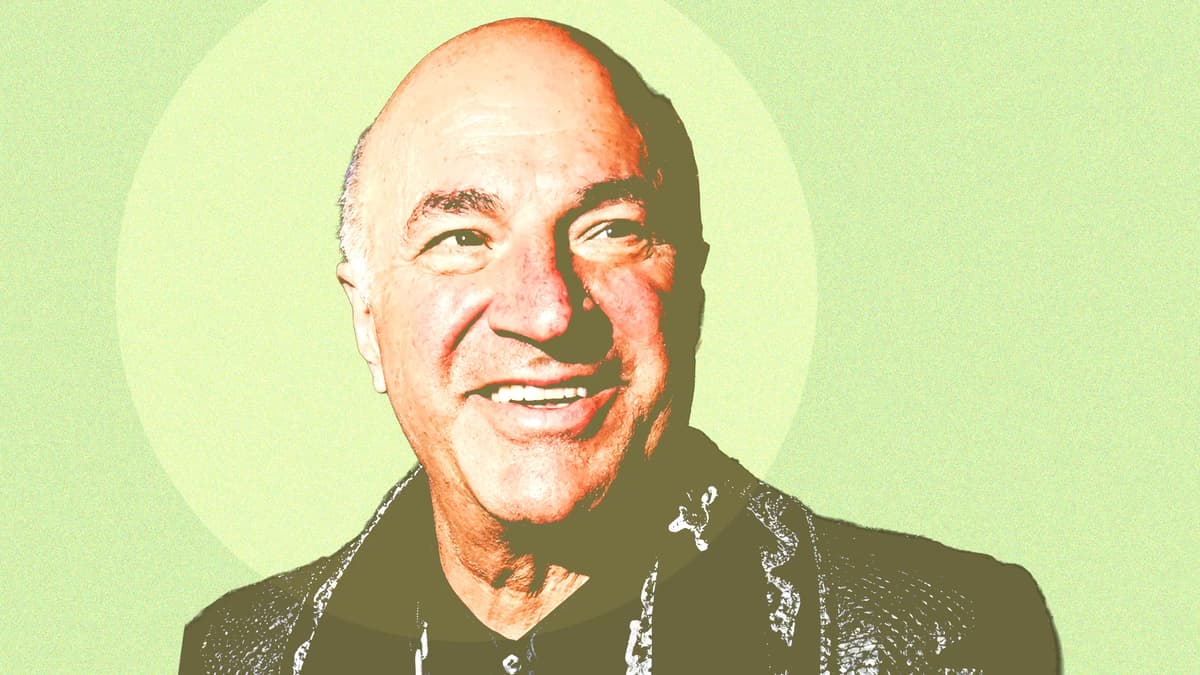
Kevin O’Leary: Every Successful Entrepreneur Uses the ‘3-Things Rule’
Companies Mentioned
Why It Matters
By filtering out noise, founders can allocate scarce resources to high‑impact activities, driving faster product cycles and stronger market positioning. The approach also highlights a trade‑off between relentless focus and personal isolation, a balance leaders must manage.
Key Takeaways
- •O'Leary's rule: prioritize three daily tasks that move the mandate forward
- •"Signal" = essential actions; "noise" = distractions like calls, lunches
- •Steve Jobs kept ~80% signal, 20% noise, shaping O'Leary's focus
- •Elon Musk operates at 100% signal, exits conversations lacking value
Pulse Analysis
The "signal‑to‑noise" framework that Kevin O’Leary champions taps into a long‑standing productivity principle: concentrate on the few activities that generate the greatest return. In the fast‑paced world of entrepreneurship, founders are bombarded by meetings, notifications, and networking events that can dilute strategic focus. By distilling daily priorities to three high‑leverage tasks, leaders create a clear roadmap that aligns teams, reduces decision fatigue, and accelerates execution. This disciplined mindset mirrors the broader trend of minimalist work methodologies gaining traction among high‑growth startups.
O’Leary’s references to Steve Jobs and Elon Musk illustrate how the rule translates into real‑world outcomes. Jobs famously allocated roughly 80% of his mental bandwidth to product‑centric "signal" work, delegating or dismissing the remaining 20% as peripheral noise. That focus helped Apple deliver breakthrough products like the iPhone and iPad. Musk, according to O’Leary, pushes the ratio even further, walking away from any conversation that doesn’t directly serve his three core objectives—whether at SpaceX, Tesla, or his newer ventures. Their success stories underscore that a high signal ratio can foster rapid innovation, tighter resource allocation, and a culture of relentless execution.
For founders looking to embed the three‑things rule, the first step is to identify the top three outcomes that move the business forward each day—be it securing a key partnership, refining a prototype, or closing a sales funnel. Tools such as daily stand‑ups, time‑blocking, and strict agenda setting can help eliminate "noise" without sacrificing essential networking. However, leaders must guard against the social isolation O’Leary warns about; occasional strategic conversations and mentorship can provide fresh perspectives that enrich the signal. Balancing laser focus with selective collaboration is the modern challenge of applying O’Leary’s rule at scale.
Kevin O’Leary: Every Successful Entrepreneur Uses the ‘3-Things Rule’
Comments
Want to join the conversation?
Loading comments...