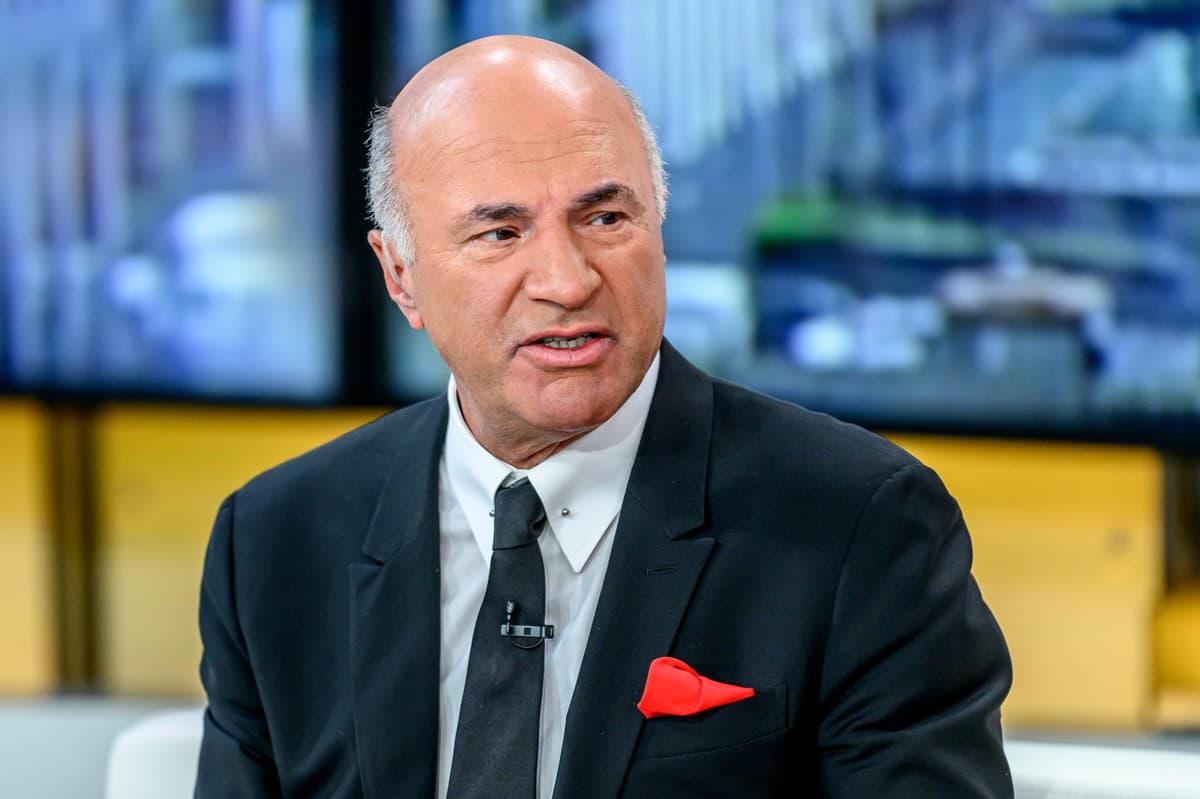
Kevin O’Leary Says Being Liked Has Nothing to Do with Success—Steve Jobs Taught Him: ‘You Can’t Worry About Whose Feelings You Bruise’
Why It Matters
O’Leary’s stance reinforces a results‑first leadership model that influences how CEOs and investors evaluate talent and culture, shaping venture‑capital expectations across tech and consumer sectors.
Key Takeaways
- •O'Leary values respect over likability, echoing Steve Jobs' approach
- •SoftKey sale to Mattel netted $4.2 billion, fueling O'Leary's $400 million net worth
- •O'Leary's VC backed Blueland, achieving $300 million in sales
- •He promotes “signal” focus: prioritize critical actions, ignore distractions
- •Tough‑love leadership style attracts investors but may deter talent
Pulse Analysis
Kevin O’Leary’s public dismissal of likability reflects a broader shift toward execution‑centric leadership that traces its roots to Silicon Valley’s most demanding figure, Steve Jobs. By emphasizing respect, clear goals, and a willingness to “bruise feelings,” O’Leary positions himself as a modern incarnation of the iron‑fisted CEO, arguing that emotional comfort hampers decisive action. This philosophy resonates with a generation of founders who view blunt feedback as a catalyst for rapid iteration, especially in high‑stakes tech environments where speed often trumps consensus.
The practical outcomes of O’Leary’s approach are evident in his investment portfolio. After cashing out SoftKey for $4.2 billion, he leveraged that capital into O’Leary Ventures, backing companies like sustainable‑goods brand Blueland, which surpassed $300 million in lifetime sales, and the photo‑printing app Groovebook, which secured $14.5 million in funding. These successes illustrate how a “signal‑first” mindset—identifying three to five pivotal levers and executing relentlessly—can translate into scalable growth, attracting other investors who prioritize measurable traction over charismatic leadership.
However, the tough‑love model carries trade‑offs. While it can accelerate decision‑making and weed out complacency, it may also alienate talent who seek collaborative, inclusive cultures. As more CEOs adopt O’Leary’s blunt style, boards and HR leaders must balance performance pressures with retention strategies, ensuring that high‑performing teams remain engaged. For the broader market, O’Leary’s stance signals that investors will continue to reward results‑driven founders, but the conversation around sustainable leadership is likely to intensify as companies grapple with the human cost of relentless execution.
Kevin O’Leary says being liked has nothing to do with success—Steve Jobs taught him: ‘You can’t worry about whose feelings you bruise’
Comments
Want to join the conversation?
Loading comments...