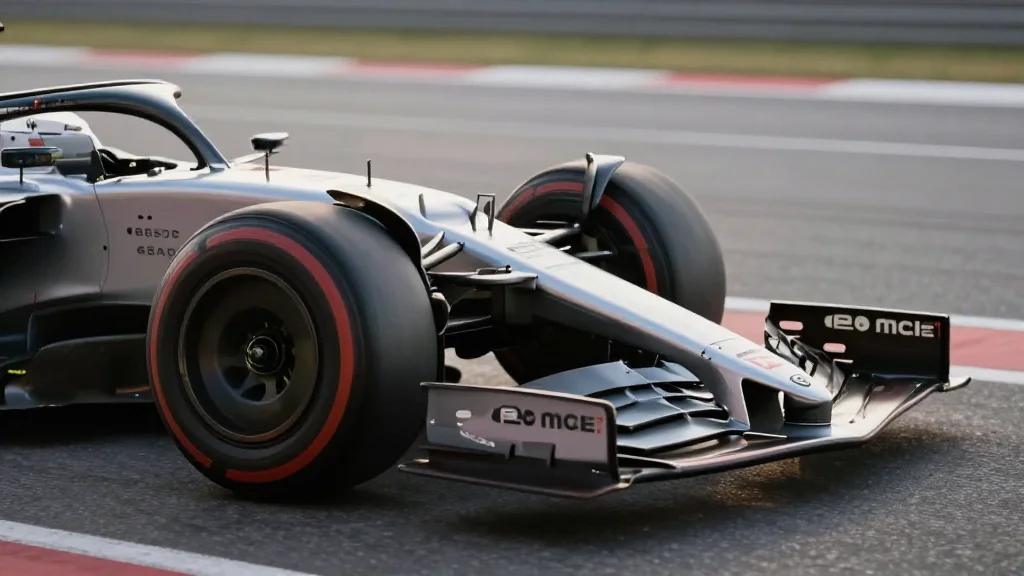
Lando Norris Credits Mindset Shift for P3 Sprint Qualify at Canadian Grand Prix

Companies Mentioned
Why It Matters
Norris’ performance illustrates that mental resilience is not a soft skill but a quantifiable driver of results. In the personal‑growth arena, his example validates the efficacy of mindset‑training techniques—visualization, reframing, and rapid feedback loops—in high‑stakes environments. For professionals outside sport, the lesson is clear: cultivating a growth mindset can translate into tangible performance improvements, whether in sales targets, project delivery, or creative output. Moreover, the episode underscores the symbiotic relationship between mental preparation and technical execution. As organizations increasingly adopt agile, data‑driven processes, the ability of individuals to adapt their internal narratives in real time becomes a competitive advantage. Norris’ Canadian sprint qualifying serves as a micro‑cosm of this broader shift, where personal‑growth practices are directly linked to measurable outcomes.
Key Takeaways
- •Lando Norris achieved P3 in the Canadian Grand Prix sprint qualifying after a mindset shift
- •McLaren overcame a >1‑second deficit from free practice to podium contention
- •Driver’s mental reset combined with rapid engineering tweaks produced measurable lap‑time gains
- •The event highlights the growing integration of mental‑training in elite sport performance
- •Upcoming Austrian Grand Prix will test whether the psychological momentum can be sustained
Pulse Analysis
Norris’ Canadian sprint qualifying performance is a textbook example of how personal‑growth principles are being operationalized in elite sport. Historically, Formula 1 has emphasized engineering excellence, but the last decade has seen a parallel rise in sports psychology, with teams hiring mental coaches to complement traditional data analysis. Norris’ admission that a mental reset changed his approach mirrors findings from performance‑science research that link confidence spikes to immediate performance lifts. This convergence suggests that future competitive edges will be forged at the intersection of mind and machine.
From a market perspective, McLaren’s ability to translate a mental shift into a podium finish could influence sponsorship narratives and driver development programs. Brands seeking authenticity may gravitate toward athletes who publicly credit mental practices, reinforcing a feedback loop that funds further psychological support. Additionally, the episode may prompt rival teams to double‑down on mental‑training investments, potentially reshaping the talent pipeline for drivers who can demonstrate both technical skill and psychological agility.
Looking ahead, the sustainability of Norris’ mindset‑driven gains will hinge on institutionalizing these practices within McLaren’s culture. If the team can embed rapid feedback loops—where driver insights directly inform engineering tweaks—in a repeatable process, they could challenge the entrenched dominance of Red Bull and Mercedes. For the broader personal‑growth community, Norris’ story offers a compelling data point: mindset work, when aligned with concrete performance metrics, can produce headline‑making results.
Lando Norris Credits Mindset Shift for P3 Sprint Qualify at Canadian Grand Prix
Comments
Want to join the conversation?
Loading comments...