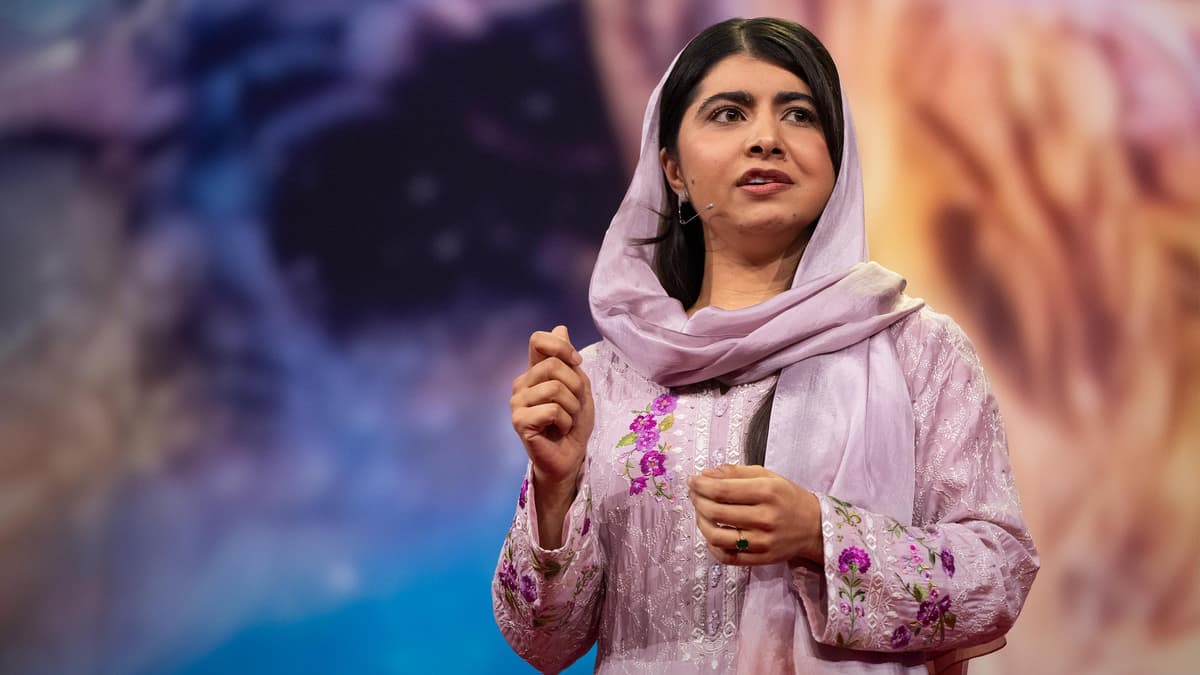
Malala Yousafzai on What She’s Learned About Changing the World
Why It Matters
Malala’s shift from hopeful idealism to resilient realism underscores a new playbook for education activists and policymakers confronting volatile political environments, making her insights critical for anyone shaping global education initiatives.
Key Takeaways
- •Malala survived a 2012 attack, now urges resilient activism
- •Taliban’s 2021 takeover exposed fragility of education gains
- •She promotes honest, sustained effort over naive optimism
- •TED2026 talk stresses collective responsibility for future change
Pulse Analysis
Malala Yousafzai’s journey from a teenage survivor of a Taliban‑linked assassination attempt to a Nobel Peace Prize laureate has made her a symbol of girls’ education worldwide. Her advocacy has helped mobilize billions in funding, influencing policies from the United Nations to corporate ESG commitments. Yet the rapid collapse of progress in Afghanistan after the Taliban’s 2021 resurgence reminded leaders that hard‑won gains can be undone overnight, highlighting the need for adaptable strategies that go beyond headline‑grabbing campaigns.
In her recent TED2026 presentation, Malala candidly describes the emotional toll of watching Afghan girls lose access to schools, prompting her to rethink the mechanics of change. She argues that optimism alone is insufficient; activists must embed honesty about setbacks, build local capacity, and create redundant pathways for learning. This pragmatic mindset aligns with emerging trends in impact investing, where investors demand measurable outcomes and risk mitigation plans, especially in regions prone to political upheaval.
For businesses, NGOs, and policymakers, Malala’s message translates into actionable priorities: diversify education delivery channels, partner with resilient community organizations, and embed continuous monitoring to adjust tactics swiftly. By embracing a realistic yet hopeful framework, stakeholders can safeguard educational investments against future disruptions. The broader implication is a shift toward sustainable, systemic change that leverages both global attention and grassroots momentum, ensuring that the fight for girls’ education endures regardless of shifting political winds.
Malala Yousafzai on what she’s learned about changing the world
Comments
Want to join the conversation?
Loading comments...