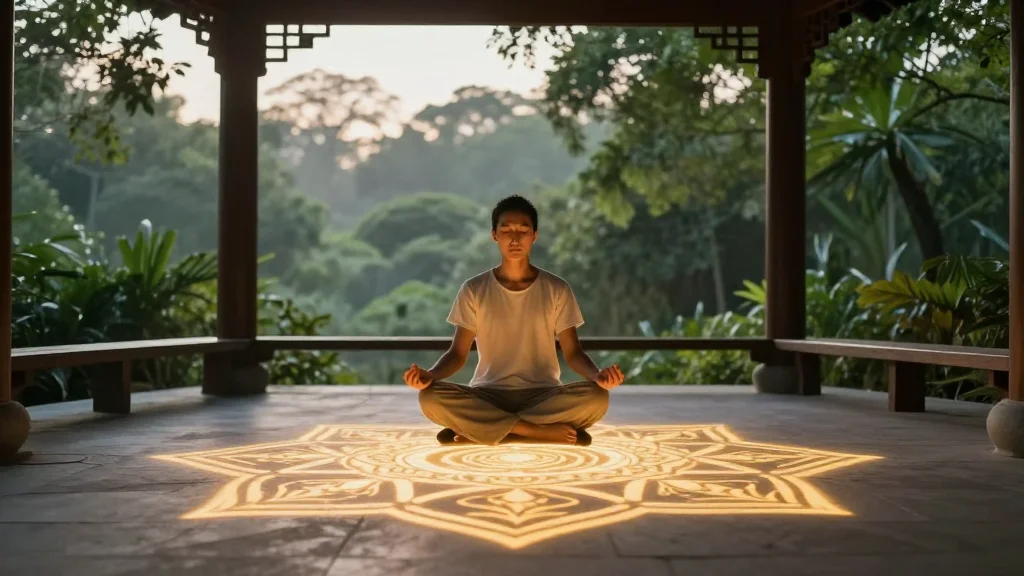
Modi Inaugurates Dhyan Mandir and Unveils Nine Nationwide Social Programs in Bengaluru

Companies Mentioned
Why It Matters
The convergence of meditation infrastructure with large‑scale social programs signals a shift in how personal‑growth tools are being positioned within national development strategies. By framing mental well‑being as a prerequisite for societal progress, the Indian government is institutionalizing practices that were previously confined to niche spiritual circles. This could inspire other nations to embed mindfulness and collective meditation into public‑policy frameworks, potentially reshaping health, education and environmental outcomes worldwide. Moreover, the nine initiatives target some of India’s most pressing challenges—rural education gaps, deforestation, and prison rehabilitation—through a volunteer‑driven model. If successful, the approach could demonstrate a scalable blueprint for public‑private‑civil partnerships, where spiritual organizations act as operational hubs for government‑backed social interventions.
Key Takeaways
- •PM Narendra Modi inaugurated the Dhyan Mandir meditation temple at the Art of Living International Center in Bengaluru.
- •Nine nationwide social initiatives were launched, covering education, reforestation, tribal welfare, women’s empowerment, healthcare, prison reform, digital literacy, leadership training and telemedicine.
- •The Art of Living reports planting over nine million saplings in the past year and aims to add 4.5 million more moringa trees.
- •Free‑school network to expand from 1,356 to 2,000 schools, serving more than 120,000 children across 22 states.
- •Event attracted over 100,000 attendees from 182 countries, highlighting global interest in India’s meditation‑driven development model.
Pulse Analysis
The inauguration of Dhyan Mandir represents more than a new architectural landmark; it is a strategic move to embed mindfulness into the fabric of India’s socio‑economic agenda. Historically, Indian governance has drawn on spiritual symbolism, but this is the first instance where a meditation facility is directly tied to a suite of quantifiable public‑service programs. The partnership leverages the Art of Living’s extensive volunteer base, which claims a reach of one billion individuals, to accelerate delivery in sectors where the state faces capacity constraints.
From a market perspective, the initiative could catalyze growth in the wellness industry, prompting investors to fund platforms that blend digital health, education technology and environmental services with mindfulness curricula. Companies offering telemedicine, e‑learning, and sustainable agriculture solutions may find new entry points through government‑endorsed programs that prioritize mental health as a foundational metric. However, the model also raises governance questions about the separation of state and religious entities, a debate that could shape future policy on public‑private collaborations.
Looking forward, the real test will be data. If the nine initiatives deliver measurable improvements—higher school enrollment rates, increased forest cover, reduced recidivism—other states may replicate the template, potentially creating a nationwide network of meditation‑anchored social services. Conversely, any shortfall could fuel criticism of politicizing spirituality. Either outcome will provide valuable insights into how personal‑growth practices can be operationalized at scale, influencing policy discussions far beyond India’s borders.
Modi Inaugurates Dhyan Mandir and Unveils Nine Nationwide Social Programs in Bengaluru
Comments
Want to join the conversation?
Loading comments...