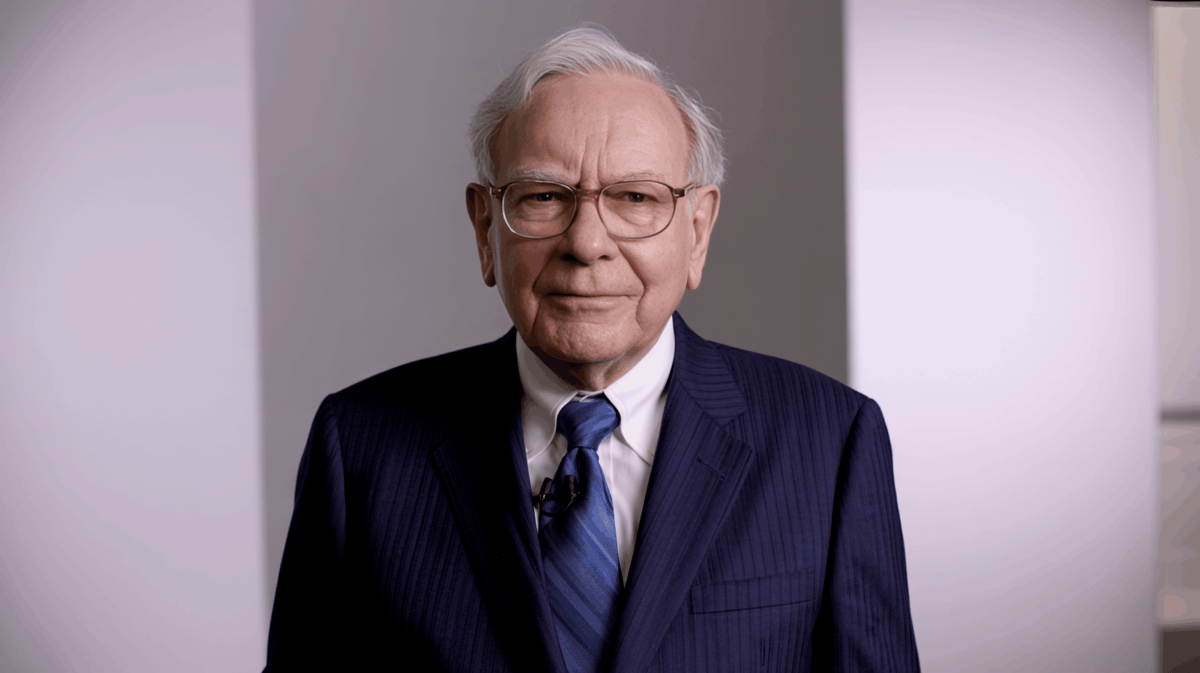
People With Low Emotional Intelligence Display These 5 Behaviors, According to Warren Buffett
Key Takeaways
- •Outer scorecard leads investors to chase hype, eroding returns
- •Impulsive reactions to news cause costly buy‑sell timing errors
- •Herd mentality fuels bubbles; contrarian discipline yields long‑term gains
- •Dwelling on mistakes results in sunk‑cost investing and capital loss
- •Overcomplicating basics masks simple, profitable investing principles
Pulse Analysis
Investors often overestimate the role of analytical skill while overlooking emotional discipline. Buffett repeatedly stresses that temperament—patience, self‑control, and a clear inner scorecard—outweighs IQ in market outcomes. This perspective aligns with behavioral finance research showing that fear, greed, and social pressure generate systematic errors. By framing investing as a character test, Buffett highlights a competitive edge that can be cultivated, not inherited, and that resonates across asset classes and market cycles.
The five EQ pitfalls Buffett outlines each have measurable portfolio consequences. Chasing an outer scorecard drives purchases at market peaks and premature exits during downturns, eroding compound returns. Impulsive trades triggered by earnings surprises or headline hype increase transaction costs and lock in losses. Herd behavior amplifies bubbles, while the reluctance to admit mistakes leads to sunk‑cost investing, tying up capital in underperforming assets. Finally, overcomplicating strategies distracts from core principles—spending less than you earn, buying quality businesses, and holding long term—reducing decision clarity.
Practically, investors can strengthen emotional intelligence by instituting decision buffers, such as a 48‑hour rule before acting on news, and by defining a personal, values‑based scorecard. Regular post‑trade reviews help identify impulse patterns, while diversifying sources of information mitigates herd bias. Advisors who coach clients on these habits add tangible value, positioning themselves as partners in behavioral risk management. As markets grow more volatile, the ability to stay emotionally grounded will increasingly differentiate winners from the rest, echoing Buffett’s decades‑long track record.
People With Low Emotional Intelligence Display These 5 Behaviors, According to Warren Buffett
Comments
Want to join the conversation?