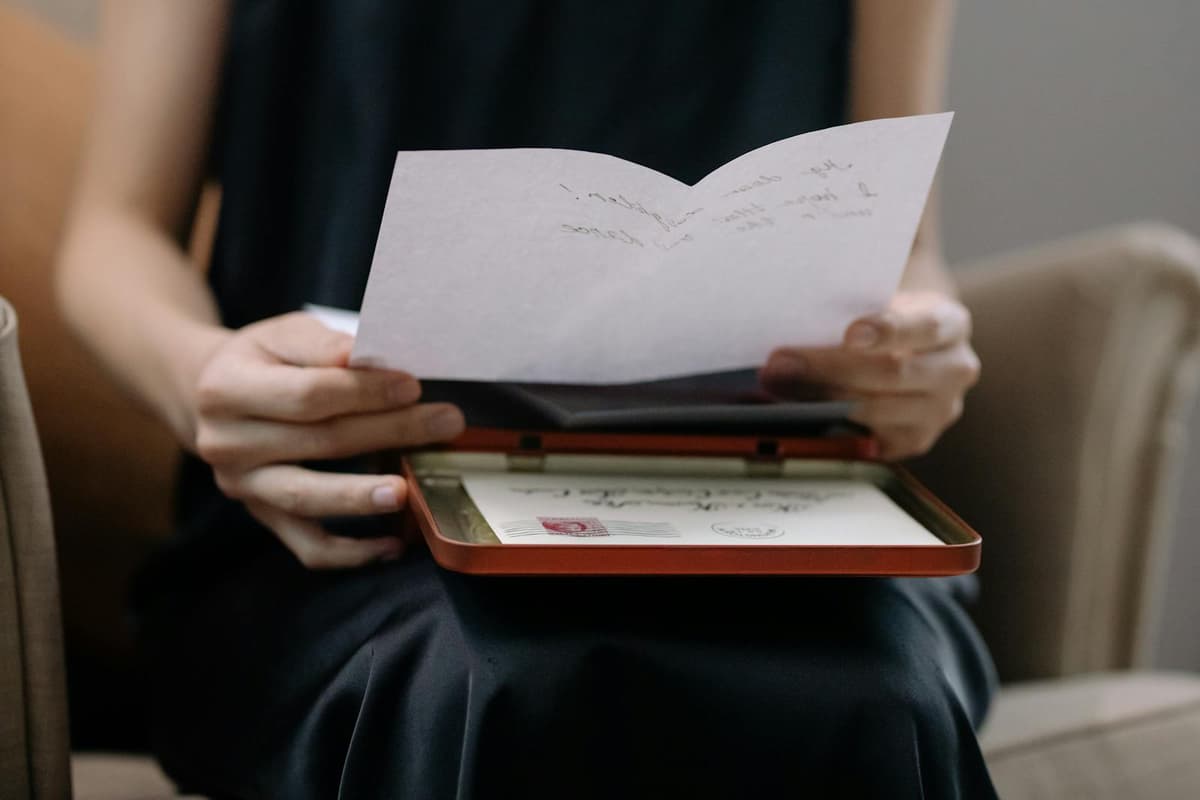
Psychology Says People Who Keep Handwritten Letters in a Box at the Back of a Closet Aren’t Sentimental, They’re Holding Evidence that Someone Once Took Thirty Minutes to Think only About Them, and the World Doesn’t Generate that Proof Anymore
Why It Matters
The decline of effort‑laden communication erodes a key signal of relational value, impacting how people perceive love and belonging in a hyper‑connected world.
Key Takeaways
- •Handwritten letters serve as tangible proof of focused attention
- •Effort signals in communication trigger stronger emotional responses than quick texts
- •Modern digital messages lack the time cost that validates love signals
- •Letter‑keeping persists despite minimal reading, reflecting scarcity of attention proof
Pulse Analysis
In today’s attention economy, the medium through which a message travels can be as important as the message itself. Handwritten letters embody a rare form of scarce capital: the sender’s time, physical labor, and deliberate focus. When a recipient opens a decades‑old envelope, the brain registers not just the words but the effort encoded in each inked stroke, reinforcing feelings of being valued. This contrasts sharply with the instant, low‑effort nature of texts and voice notes, which, despite high volume, provide little proof of genuine investment.
Neuroscientific research underscores the cognitive benefits of handwriting. Studies cited by NPR show that putting pen to paper engages slower, more deliberate neural pathways, strengthening memory formation and emotional encoding. The act of composing a letter forces the writer to pause, reflect, and prioritize the recipient, creating a richer internal narrative. Consequently, the physical artifact becomes a lasting emotional cue, capable of resurfacing feelings of affection long after the original context has faded.
For businesses and marketers, the lesson is clear: effort‑based signals can differentiate brand relationships in a sea of cheap digital touchpoints. Campaigns that incorporate tangible, time‑intensive elements—hand‑written notes, personalized packages, or limited‑edition print materials—can rekindle the perception of authentic care. On a societal level, recognizing the psychological void left by the erosion of effort‑laden communication may spur initiatives to preserve or revive practices that foster deeper connection, mitigating the ambient loneliness that pervades hyper‑connected lives.
Psychology says people who keep handwritten letters in a box at the back of a closet aren’t sentimental, they’re holding evidence that someone once took thirty minutes to think only about them, and the world doesn’t generate that proof anymore
Comments
Want to join the conversation?
Loading comments...