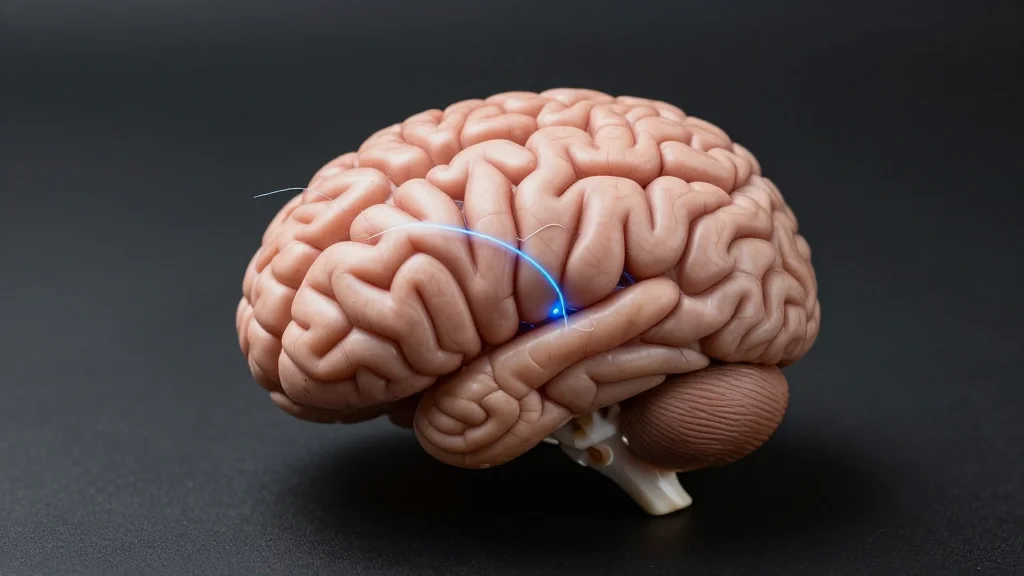
Scientists Identify Brain Circuit Linking Social Stress to Depression

Why It Matters
Understanding the exact brain circuitry that converts chronic social stress into depressive symptoms bridges a critical gap between neuroscience and personal‑growth practices. For individuals seeking to build mental resilience, the ability to target a defined neural pathway offers a tangible anchor for interventions ranging from mindfulness training to neurofeedback. Moreover, the sex‑specific findings highlight the importance of personalized approaches, ensuring that stress‑management strategies are effective across diverse populations. The study also signals a shift in mental‑health treatment paradigms: rather than addressing symptoms in isolation, clinicians and personal‑development coaches can now consider circuit‑level mechanisms when designing programs. This could accelerate the development of hybrid solutions that pair behavioral coaching with emerging neuromodulation technologies, ultimately expanding the toolkit for preventing stress‑related mood disorders.
Key Takeaways
- •Researchers mapped a prefrontal‑cortex to nucleus‑accumbens (PFC‑NAc) circuit that drives depression‑like behavior after chronic social stress.
- •Optogenetic activation of the PFC‑NAc pathway reverses anhedonia and social withdrawal in rodent models.
- •Molecular analysis revealed downregulation of glutamatergic receptors and altered dopaminergic signaling within the circuit.
- •Female rodents showed distinct circuit alterations, indicating sex‑dependent mechanisms.
- •Findings open avenues for personalized stress‑management tools and potential drug targets.
Pulse Analysis
The identification of a discrete PFC‑NAc circuit reshapes how the personal‑growth industry can frame stress resilience. Historically, self‑help programs have relied on psychological models that lack direct neurobiological validation. This study provides a concrete target that can be measured, modulated, and, crucially, linked to observable behavioral outcomes. Companies developing digital therapeutics, neurofeedback platforms, and brain‑stimulation devices now have a scientifically vetted pathway to anchor their product claims, potentially accelerating regulatory approval and market adoption.
From a market perspective, the mental‑health sector is projected to exceed $200 billion globally by 2030, with a sizable share driven by consumer‑focused resilience tools. The PFC‑NAc discovery could catalyze a new sub‑segment: circuit‑guided personal‑growth programs that combine data‑driven coaching with non‑invasive neuromodulation. Early adopters—such as premium wellness apps—may partner with academic labs to integrate functional MRI or EEG biomarkers that reflect PFC‑NAc activity, offering users personalized feedback loops.
Looking ahead, the translational bridge from rodent models to human applications will be pivotal. If functional imaging confirms analogous circuitry in people, we could see a wave of clinical trials testing combined pharmacologic‑behavioral interventions aimed at restoring PFC‑NAc balance. For the personal‑growth community, this translates into evidence‑based curricula that teach specific cognitive exercises known to engage the PFC, thereby indirectly strengthening the downstream reward circuitry. The convergence of neuroscience, technology, and self‑improvement promises a more rigorous, outcome‑oriented era for mental‑resilience training.
Scientists Identify Brain Circuit Linking Social Stress to Depression
Comments
Want to join the conversation?
Loading comments...