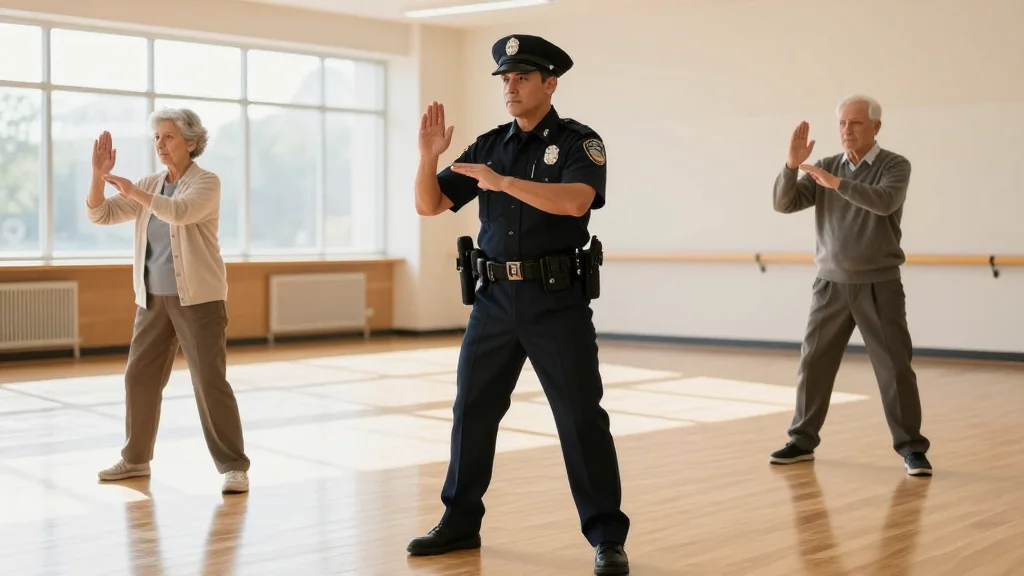
Senior Citizens Gain Confidence Through Self‑Defense Class at Pittsburgh JCC

Why It Matters
The workshop illustrates a growing recognition that personal growth does not stop at retirement. By teaching seniors that safety is primarily a mental discipline, the program addresses two critical issues: the heightened vulnerability of older adults to crime and the documented benefits of lifelong learning on cognitive health. Empowering seniors with a proactive mindset can reduce fear, encourage social engagement, and potentially lower healthcare costs associated with injury and anxiety. Moreover, the initiative signals a shift in how community organizations approach elder care. Rather than offering passive services, they are providing active skill‑building experiences that reinforce agency and self‑efficacy. This model could influence policy makers to fund similar programs nationwide, integrating personal safety into broader senior wellness strategies.
Key Takeaways
- •Approximately 30 seniors attended the July 23 self‑defense class at South Hills JCC.
- •Instructor David Wright emphasized that 90% of self‑defense relies on mindset and proactive planning.
- •The session combined a brief physical drill (10% of time) with extensive mental‑strategy training.
- •Participant Beverly Rowan highlighted the practical value of the awareness gained.
- •Future classes will explore virtual‑reality scenarios to deepen decision‑making skills.
Pulse Analysis
The Pittsburgh self‑defense workshop taps into a broader trend of "skill‑based aging," where seniors are encouraged to acquire new competencies to maintain relevance and health. Historically, older adults have been the target of safety programs that focus on passive measures—such as home alarms—rather than active empowerment. This shift mirrors research from the American Psychological Association showing that learning new physical or cognitive skills can delay age‑related decline.
From a market perspective, community centers and non‑profits are poised to become de‑facto providers of personal‑growth curricula for seniors, a niche previously dominated by private gyms and senior‑specific fitness chains. By integrating mental‑training components, these programs differentiate themselves and may attract funding from public health agencies seeking cost‑effective interventions.
Looking ahead, the success of this pilot could catalyze a network of similar initiatives across the country. If virtual‑reality simulations are added, the program could generate data on seniors' reaction times and decision‑making under stress, feeding into academic studies and potentially informing insurance risk models. The key will be scaling the model without diluting the personal attention that made the inaugural class effective.
Senior Citizens Gain Confidence Through Self‑Defense Class at Pittsburgh JCC
Comments
Want to join the conversation?
Loading comments...