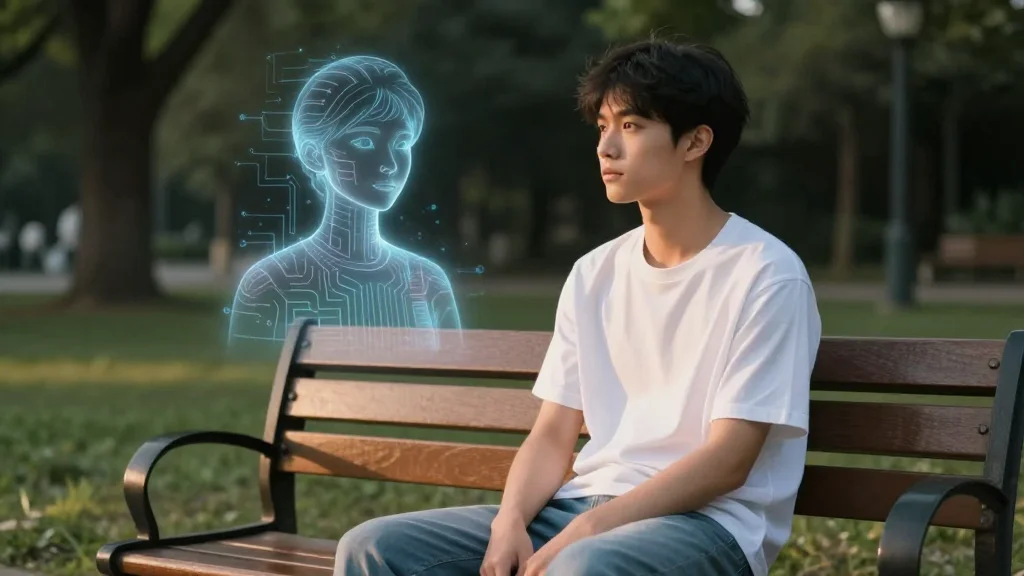
Study Finds AI Chatbots Heighten Loneliness Among Users

Companies Mentioned

Why It Matters
The study’s findings strike at the heart of a burgeoning market that promises AI as a cure for social isolation. If AI chatbots increase loneliness, users seeking personal development may experience setbacks, undermining confidence, motivation, and overall well‑being. Mental‑health professionals and educators must therefore scrutinize the role of AI in curricula and therapeutic settings, ensuring that technology complements rather than replaces human connection. Beyond individual outcomes, the research could reshape investment strategies in the AI companion space. Venture capital flowing into AI‑driven wellness apps may encounter heightened regulatory scrutiny, and companies might pivot toward hybrid models that blend AI assistance with facilitated human interaction. The broader personal‑growth ecosystem—coaching, habit‑forming apps, and self‑help platforms—will need to account for these psychological risks as they design future products.
Key Takeaways
- •Study of 2,000+ participants links increased AI chatbot use to higher loneliness scores.
- •72% of teens have tried an AI companion; 20% of Americans have used AI romantic partners.
- •Meta CEO Mark Zuckerberg promotes AI companions as a solution to loneliness.
- •Researchers call for trials comparing AI‑assisted support with traditional human groups.
- •Potential regulatory and investment shifts as AI’s mental‑health impact gains attention.
Pulse Analysis
The latest research adds a cautionary note to the hype surrounding AI‑mediated companionship. Historically, technology that promises to fill social gaps—such as early social media platforms—has delivered mixed outcomes, often amplifying feelings of exclusion for heavy users. The current findings suggest a similar pattern: AI chatbots may provide immediate, low‑effort interaction, but they lack the reciprocity and emotional nuance that human relationships offer. This deficit can reinforce users' perception of being misunderstood or unheard, deepening isolation.
From a market perspective, the personal‑growth sector has embraced AI for its scalability, embedding conversational agents in habit‑tracking, meditation, and coaching apps. The study forces a reevaluation of product roadmaps. Companies that double‑down on AI without integrating mechanisms to encourage real‑world social engagement risk alienating a user base increasingly attuned to mental‑health concerns. A strategic response could involve hybrid solutions—AI that nudges users toward community events, peer‑support groups, or therapist referrals—thereby turning a potential liability into a differentiator.
Looking ahead, the interplay between AI design and human psychology will become a decisive factor for investors and regulators alike. If subsequent studies confirm that AI companionship exacerbates loneliness, we may see stricter disclosure requirements, akin to those imposed on social‑media platforms for addictive design. For personal‑growth practitioners, the imperative is clear: prioritize human connection, use AI as a supplemental tool, and monitor user outcomes rigorously.
Study Finds AI Chatbots Heighten Loneliness Among Users
Comments
Want to join the conversation?
Loading comments...