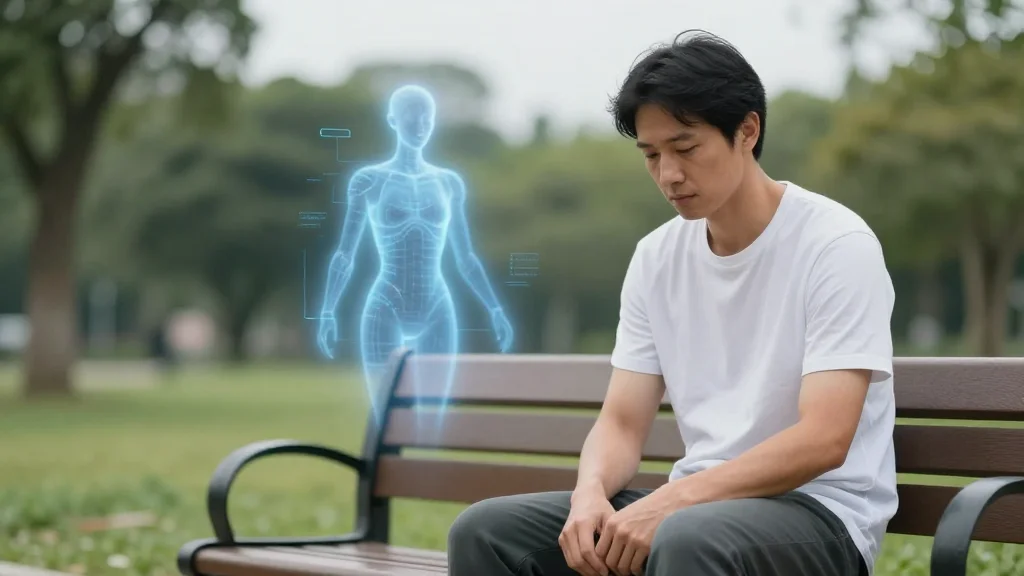
Study Finds AI Reliance for Personal Support Fuels Workplace Loneliness

Why It Matters
Loneliness at work is a proven predictor of reduced performance, lower engagement, and higher attrition. By highlighting a direct correlation between AI‑driven personal support and employee isolation, the study signals a potential blind spot for organizations racing to digitize their workforces. If unchecked, the shift toward AI companionship could undermine the very human capital that drives creativity and collaboration, eroding the soft skills that are central to personal development and leadership. Moreover, the research offers a roadmap for managers to mitigate these risks. By embedding intentional human interaction into AI workflows, firms can harness the productivity benefits of generative tools while safeguarding the relational infrastructure that fuels employee growth. The findings therefore serve as an early warning and a strategic guide for any company navigating the intersection of technology and well‑being.
Key Takeaways
- •Study surveyed 1,545 U.S. knowledge workers who use AI at least weekly.
- •78% of participants use polite language (e.g., "please," "thank you") with AI tools.
- •28% view AI as a human‑like entity such as a "friend" or "teammate."
- •More than 50% of respondents who rely on AI for personal support report feeling lonely at work.
- •Researchers recommend five leadership practices to keep AI a tool, not a social substitute.
Pulse Analysis
The HBR study arrives at a moment when AI adoption curves are steepening across industries. Early adopters have focused on efficiency—automating research, drafting content, and streamlining hiring—yet the data now reveal an unintended social side effect. Historically, technology that reduces friction in communication (email, instant messaging) has both connected and isolated workers; AI appears to amplify the latter by offering a non‑judgmental interlocutor that can be accessed instantly, 24/7. This convenience can inadvertently replace the nuanced, empathetic exchanges that occur in hallway conversations or informal mentorship.
From a competitive standpoint, firms that embed AI without a parallel strategy for human connection may see short‑term gains in output but could suffer long‑term talent attrition. Companies that proactively design hybrid interaction models—where AI handles routine queries while human coaches facilitate emotional and career development—stand to differentiate themselves in the talent market. The five‑point framework suggested by the researchers (though not detailed in the article) likely includes measures such as scheduled peer check‑ins, AI‑augmented but human‑led coaching sessions, and transparent communication about AI’s role.
Looking ahead, as agentic AI agents become more sophisticated—capable of simulating empathy and nuanced dialogue—the line between tool and companion will blur further. Organizations must therefore establish governance structures that define the boundaries of AI‑mediated support, ensuring that employees are encouraged to seek human interaction for deeper relational needs. The study’s warning is clear: without deliberate action, the promise of AI‑enhanced productivity could be offset by a hidden cost to the social capital that fuels personal growth and organizational resilience.
Study Finds AI Reliance for Personal Support Fuels Workplace Loneliness
Comments
Want to join the conversation?
Loading comments...