Study Shows Multitasking Drains Brain Energy and Cuts Productivity

Why It Matters
Understanding the hidden cost of multitasking reshapes how individuals approach daily work, study, and self‑improvement. By recognizing that each switch drains a measurable portion of the brain's energy budget, people can redesign routines to protect mental stamina, lower anxiety, and achieve higher-quality results. In a culture that glorifies speed, the research offers a counter‑narrative that deep focus, not rapid context changes, drives sustainable growth. The findings also have implications for mental‑health professionals, who can now point to concrete neuro‑energetic mechanisms when advising clients on burnout prevention. As digital environments continue to fragment attention, the evidence provides a scientific foundation for policies that limit multitasking in schools, workplaces, and even social media platforms.
Key Takeaways
- •Neuroscientist Kumar Bagrodia describes multitasking as rapid task‑switching that wastes brain energy.
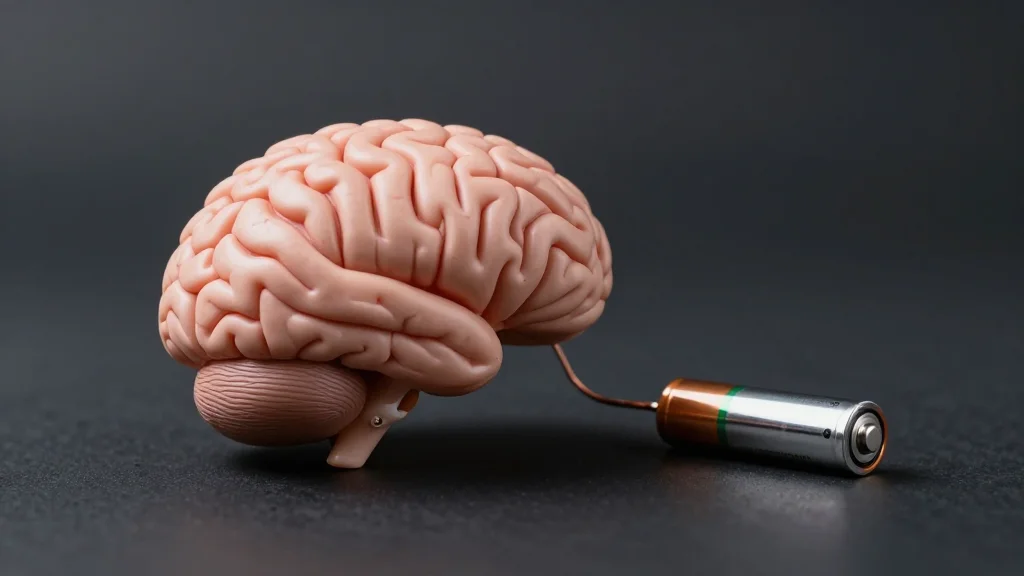
- •The brain uses roughly one‑third of the body's energy; each switch adds extra demand.
- •Stanford research shows multitaskers struggle to ignore irrelevant information and to shift efficiently.
- •Richard Cytowic warns that doing two tasks at once reduces performance on each.
- •Experts recommend single‑task blocks to improve focus, reduce anxiety, and boost productivity.
Pulse Analysis
The latest commentary on multitasking arrives at a moment when productivity tools market analysts are forecasting a shift toward deep‑work platforms. Companies like Notion and Roam Research have already marketed features that hide notifications and block distractions, positioning themselves as antidotes to the multitasking myth. Bagrodia's insights give these product narratives a scientific veneer, potentially accelerating adoption among knowledge workers who value evidence‑based practices.
Historically, the myth of multitasking gained traction in the early 2000s alongside the rise of mobile devices. Early studies suggested that people could handle multiple streams of information, but subsequent research, including the Stanford experiment cited here, has repeatedly debunked that claim. The current wave of findings reinforces a broader cultural pivot toward mindfulness and intentional work design, echoing trends seen in the wellness industry.
Looking ahead, we may see a convergence of neuroscience, HR policy, and technology that formalizes single‑tasking as a performance metric. Organizations could start measuring "focus time" alongside traditional KPIs, while educational institutions might redesign curricula to limit simultaneous digital inputs. If the brain's energy constraints become a mainstream consideration, the personal‑growth sector could witness a surge in coaching programs centered on attention management, reshaping how success is defined in the digital age.
Study Shows Multitasking Drains Brain Energy and Cuts Productivity
Comments
Want to join the conversation?
Loading comments...