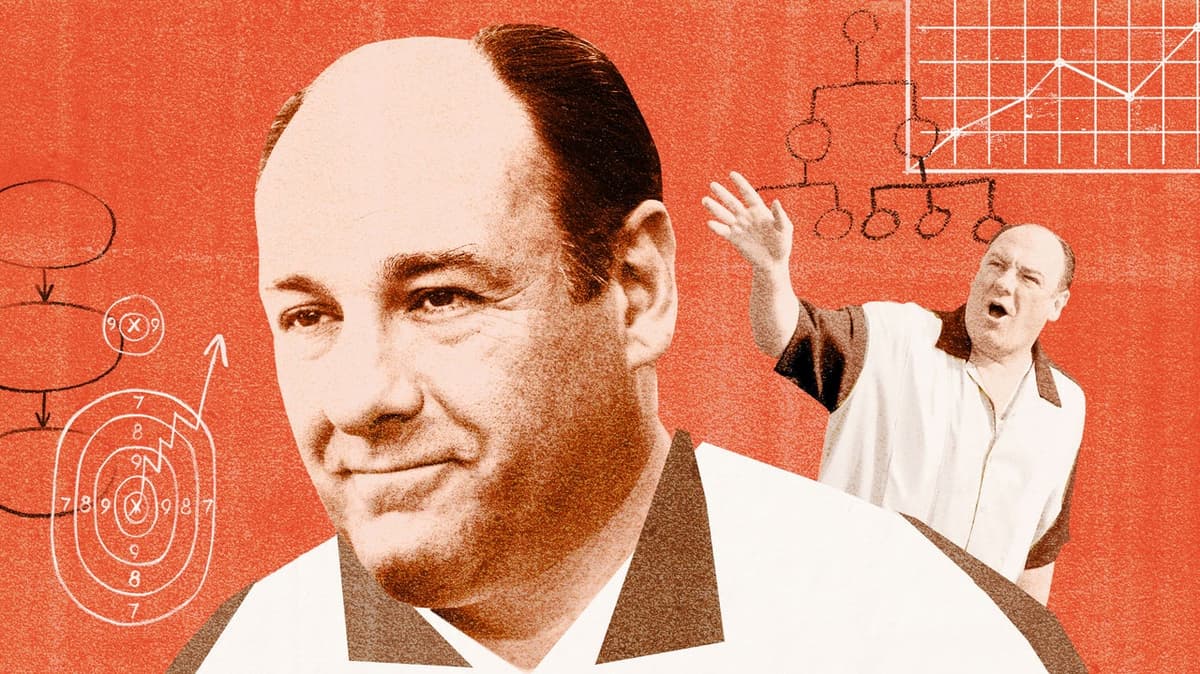
The Tony Soprano Problem: Why Even the Strongest Leaders Get Blindsided
Why It Matters
Recognizing this paradox enables CEOs and managers to design structures that balance empowerment with clear direction, boosting execution and reducing turnover.
Key Takeaways
- •Leaders must blend empathy with decisive authority to drive results
- •Decision confidence derives from accountability, not complete information
- •Large organizations amplify uncertainty, requiring transparent communication
- •Over‑reliance on coercion harms culture and long‑term margins
Pulse Analysis
The "Tony Soprano Problem" captures a timeless leadership dilemma: how to be both a thoughtful collaborator and an effective driver of results. In today’s knowledge‑based economy, executives are expected to listen, coach, and empower, yet they must also ensure that initiatives move forward on schedule. This duality mirrors the shift from overt coercion to nuanced influence, a transition that demands new skill sets—emotional intelligence paired with strategic assertiveness. By framing the issue through a pop‑culture lens, the article makes the abstract tension concrete for a broad audience.
Decision‑making under uncertainty is a core challenge for leaders of any scale, but it intensifies in organizations with hundreds or thousands of employees. When a manager cannot verify every variable, confidence must be derived from the willingness to own outcomes rather than from perfect data. Psychological research shows that perceived accountability boosts risk tolerance and accelerates action, while excessive doubt can paralyze teams. Consequently, leaders who openly acknowledge uncertainty while committing to a direction often inspire greater trust and faster execution.
Practical implications include building transparent communication channels, setting clear expectations, and fostering a culture where feedback is valued without eroding authority. Companies can invest in decision‑frameworks that balance data‑driven insights with intuitive judgment, and they should reward leaders who demonstrate both empathy and decisive follow‑through. By avoiding the pitfalls of coercive tactics—such as high turnover and eroded morale—organizations position themselves for sustainable growth, higher employee engagement, and stronger bottom‑line performance.
The Tony Soprano Problem: Why even the strongest leaders get blindsided
Comments
Want to join the conversation?
Loading comments...