This Is a Hard Time to Start a Career. These Two Words Can Help.
Why It Matters
Understanding how AI reshapes hiring and embracing a craft‑oriented approach can help new professionals secure meaningful work and avoid the pitfalls of a volatile job market.
Key Takeaways
- •AI threatens many entry‑level positions, reshaping hiring practices
- •Graduates face higher unemployment despite holding college degrees
- •“Craft & Need” encourages aligning skills with market demand
- •Digital interviews reduce human interaction, increasing candidate anxiety
- •Long‑term fulfillment requires proactive skill development and networking
Pulse Analysis
The 2026 graduate cohort confronts a labor landscape unlike any before, as artificial intelligence automates routine tasks and eliminates a swath of entry‑level jobs. Recent data from the Bureau of Labor Statistics shows a 7% rise in unemployment among college‑educated workers compared with pre‑pandemic levels, underscoring the mismatch between credential inflation and available opportunities. Moreover, AI‑powered interview platforms now screen candidates with algorithmic scoring, stripping away the nuanced human judgment that once balanced raw talent against potential.
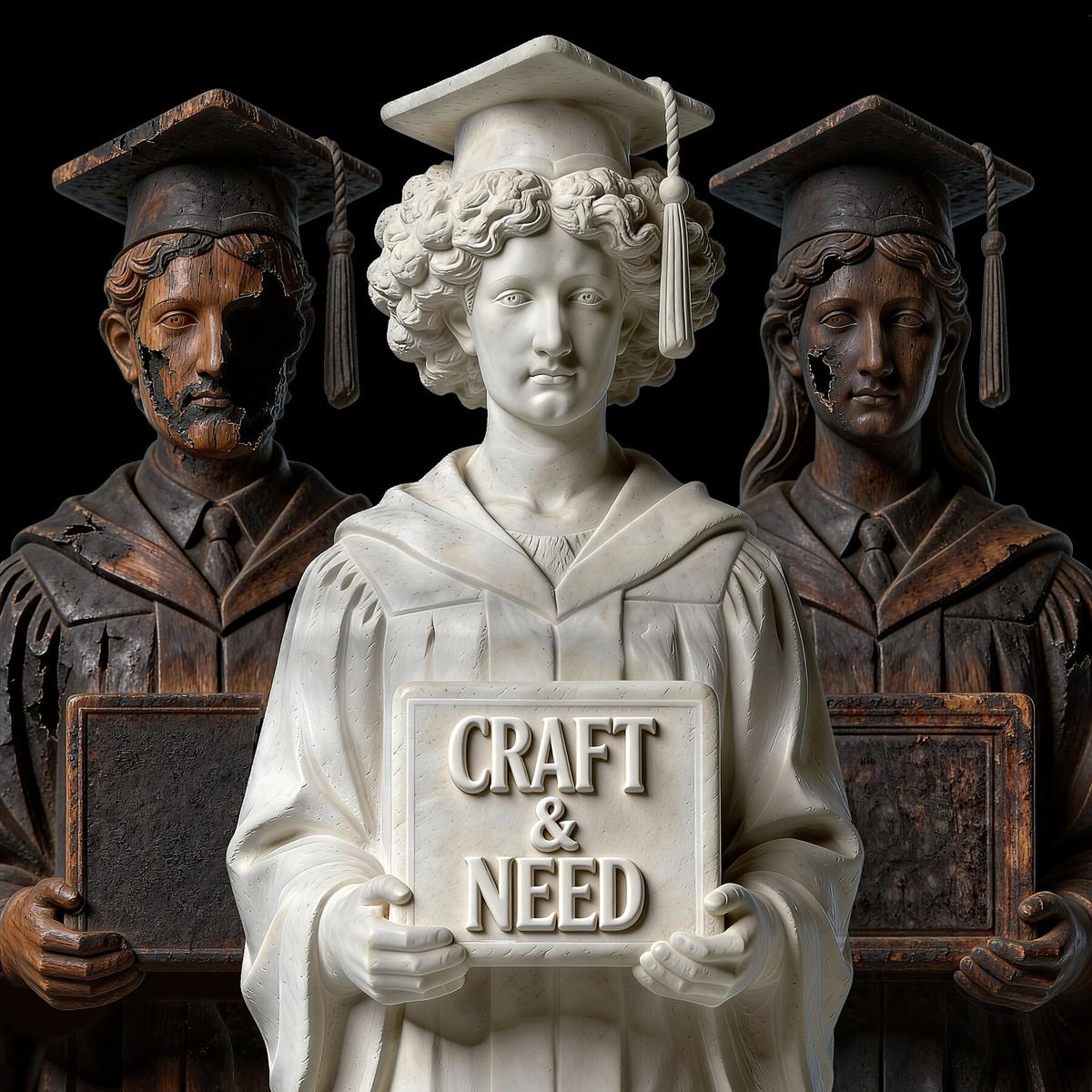
Kantor’s central prescription—focus on "craft" and "need"—offers a pragmatic roadmap. "Craft" urges graduates to hone a tangible, market‑ready skill set, while "need" directs attention to sectors where demand outpaces supply, such as renewable energy, cybersecurity, and health‑tech. By aligning personal expertise with genuine economic gaps, young professionals can sidestep the oversupply of generic degrees and position themselves as indispensable contributors. This mindset also mitigates the psychological toll of a bleak outlook, replacing fatalism with purposeful action.
For graduates, the path forward involves three concrete steps: (1) conduct a gap analysis of emerging industries to identify high‑growth skill requirements; (2) invest in micro‑credentials, bootcamps, or project‑based portfolios that demonstrate real‑world proficiency; and (3) cultivate a network through mentorships, industry meetups, and digital communities to surface hidden opportunities. Embracing continuous learning and strategic networking not only enhances employability but also builds resilience against future technological disruptions, turning today’s uncertainty into a launchpad for long‑term career fulfillment.
This Is a Hard Time to Start a Career. These Two Words Can Help.
Comments
Want to join the conversation?
Loading comments...