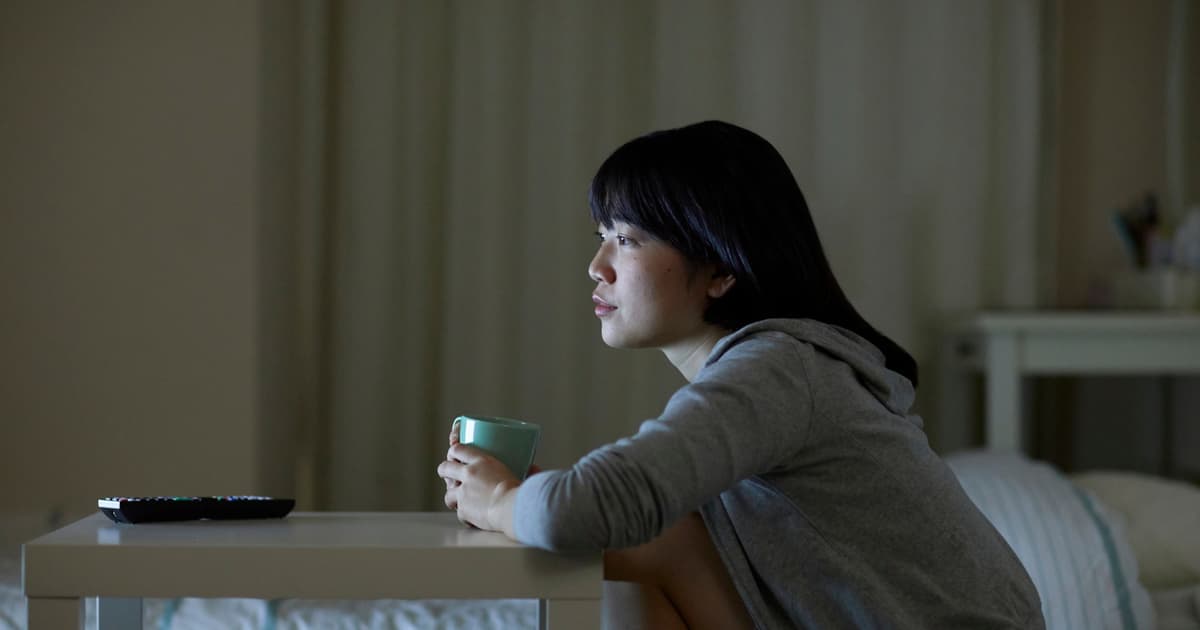
Why Are so Many of Us Still Awake at Midnight Watching Something We Don’t Even Care About? Researchers Call It “Revenge Bedtime Procrastination” — a Self-Regulation Failure Driven by a Need to Reclaim the Autonomy a Demanding Day Took Away
Why It Matters
The pattern erodes sleep quality, amplifying fatigue, reduced productivity, and long‑term health risks, making it a critical issue for both individuals and organizations.
Key Takeaways
- •Bedtime procrastination: delaying sleep despite no external constraints.
- •Revenge variant stems from reclaiming autonomy after demanding days.
- •Self‑regulation fatigue peaks evenings, prompting mindless screen time.
- •Improving daytime autonomy reduces night‑time sleep delays.
Pulse Analysis
Revenge bedtime procrastination emerged from research by Dutch behavioral scientists who observed that many people voluntarily stay up late, even when no external obligations force them to. Unlike traditional insomnia, the delay is intentional, driven by a subconscious need to claim personal time after a day filled with meetings, deadlines, and limited control. The term gained traction after Chinese workers described late‑night screen binges as a protest against daytime constraints, highlighting a cultural dimension to a universal self‑regulation challenge.
The health and economic implications are significant. Consistently shortchanging sleep raises cortisol levels, impairs cognitive function, and increases the risk of cardiovascular disease. For businesses, the resulting fatigue translates into lower productivity, higher error rates, and greater absenteeism. Moreover, the habit reinforces a feedback loop: evening screen exposure suppresses melatonin, making it harder to fall asleep, which then fuels the next day's exhaustion and the urge to reclaim autonomy again.
Addressing the issue requires structural changes rather than sheer willpower. Employers can embed short, unscheduled breaks into the workday, encourage flexible scheduling, and promote a culture that respects personal downtime. Individuals benefit from carving out micro‑autonomy periods—such as a brief walk or a non‑screen meal—during peak workload hours, thereby reducing the impulse to seek reclaimed time at night. Ultimately, reshaping daytime routines and workplace policies can restore healthier sleep patterns and improve overall well‑being.
Why are so many of us still awake at midnight watching something we don’t even care about? Researchers call it “revenge bedtime procrastination” — a self-regulation failure driven by a need to reclaim the autonomy a demanding day took away
Comments
Want to join the conversation?
Loading comments...