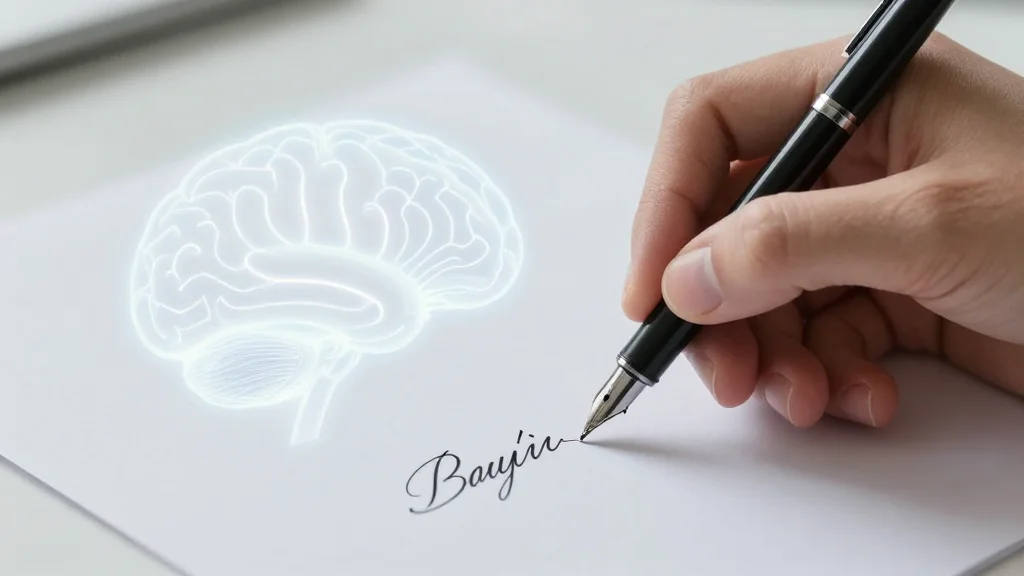
Writing Proven to Rewire Brain and Boost Resilience, New Study Finds

Why It Matters
Resilience is a cornerstone of personal‑growth strategies, yet many interventions rely on abstract concepts or costly programs. Demonstrating that a universally accessible activity—writing—can produce concrete neural changes democratizes resilience training and offers a low‑barrier entry point for individuals seeking mental‑strength tools. Moreover, the research bridges psychology and neuroscience, validating long‑standing therapeutic techniques with modern imaging, which may encourage broader adoption in clinical and corporate wellness settings. By grounding resilience in a habit that can be measured, tracked and scaled, the findings also open avenues for digital platforms to integrate writing prompts, analytics and feedback loops, potentially creating new markets for evidence‑based personal‑growth technology.
Key Takeaways
- •Expressive writing activates memory, decision‑making and motor regions in the brain.
- •Brain imaging shows writing reduces amygdala activity and boosts prefrontal cortex engagement.
- •James Pennebaker's technique links journaling to long‑term emotional processing.
- •Writing supports memory consolidation, turning short‑term distress into integrated narratives.
- •The habit offers a low‑cost, evidence‑based tool for building resilience in personal‑growth programs.
Pulse Analysis
The confirmation that writing can rewire neural pathways reshapes the personal‑growth landscape in two ways. First, it provides a scientifically validated, low‑cost habit that can be embedded into existing self‑improvement curricula, from corporate wellness workshops to university counseling services. Historically, resilience training has leaned heavily on mindfulness and physical exercise; writing now joins that roster with a distinct cognitive advantage—directly targeting language and memory systems.
Second, the neuroplastic evidence invites a new generation of tech‑enabled solutions. Apps that prompt daily reflective entries can now claim brain‑based benefits, differentiating themselves from generic journaling tools. Investors may see an opportunity to fund platforms that combine AI‑driven sentiment analysis with neuro‑feedback, creating a feedback loop that personalizes resilience training. However, the field must guard against over‑commercialization; the core insight remains that a simple, intentional act of naming emotions can produce measurable brain changes.
Looking ahead, longitudinal studies will be crucial to determine the durability of these neural adaptations. If future research confirms that sustained writing leads to lasting reductions in stress reactivity, we could see a shift in how mental‑health professionals prescribe daily habits—potentially positioning writing as a first‑line, prescription‑free intervention for stress‑related disorders.
Writing Proven to Rewire Brain and Boost Resilience, New Study Finds
Comments
Want to join the conversation?
Loading comments...