Legendary Powerlifter Chad Aichs | Mindset, Strength & Fighting for Greatness
Why It Matters
Aichs’ insights highlight that sustainable powerlifting hinges on safety, structured programming, and cross‑training, offering a roadmap for athletes to maximize strength while minimizing injury and burnout.
Key Takeaways
- •Heavy lifts demand proper safety straps and modern equipment.
- •Conjugate training cycles alternate max‑effort and dynamic weeks.
- •Overtraining risks mitigated by extended recovery intervals through periodization.
- •Social media can mislead lifters about training frequency and intensity.
- •BMX riding provides functional cardio and injury‑preventing cross‑training.
Summary
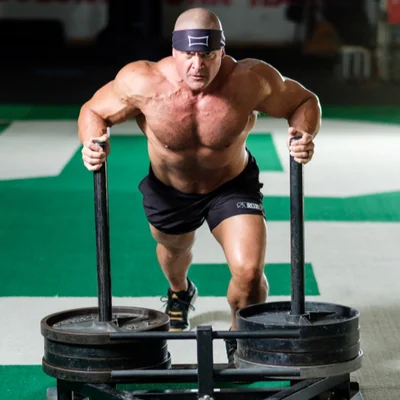
The video features legendary powerlifter Chad Aichs reflecting on his training philosophy, the evolution of safety gear, and the role of unconventional cross‑training in sustaining elite strength. Aichs recounts early gym days, raw 900‑lb lifts without spotters, and the shift toward modern straps, monoliths, and safety protocols that have made heavy lifting considerably safer.
He outlines his conjugate system, alternating max‑effort weeks—often featuring board presses or heavy squats—with dynamic‑effort weeks focused on speed work. Recovery became a priority after early overtraining, leading to extended cycles of eight to fourteen days between heavy sessions. Aichs also critiques social media’s glossy portrayal of lifts, warning that viewers often misinterpret frequency and intensity without context.
Memorable anecdotes include catching a teammate’s bench bar mid‑flight, benching 900 lb without safety equipment, and using board‑press performance to gauge meet openers. He describes integrating BMX riding into client sessions, noting how the cardio‑intensive activity taxes the posterior chain and leaves participants “the most fun training” they’ve experienced.
The discussion underscores that elite strength requires disciplined periodization, modern safety infrastructure, and holistic conditioning. Lifters and coaches who ignore these lessons risk injury, burnout, and misguided training expectations fueled by social media hype.
Comments
Want to join the conversation?
Loading comments...